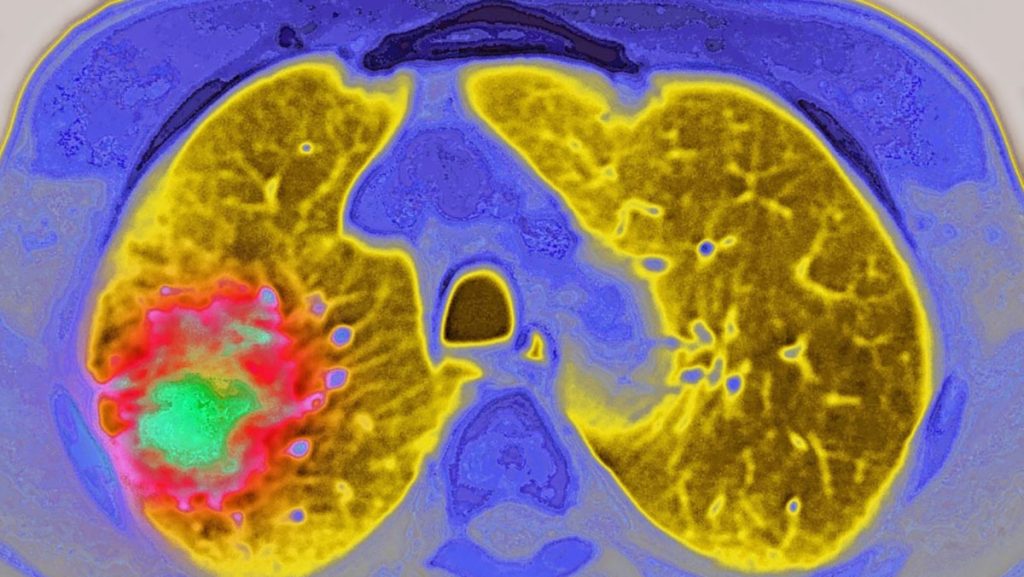
New research headed to the American Society of Clinical Oncology meeting suggests GLP-1 drugs, best known for diabetes and weight-loss treatment, may slow cancer from spreading. Dr. Mark Orland of the Cleveland Clinic analyzed real-world records from the TriNetX Global Health Research Network and found lower progression in several cancers after patients began GLP-1 therapy. The findings touch breast, lung, colorectal and liver cancers and raise questions about biological mechanisms and safety for people receiving cancer care.
Orland’s team identified more than 10,000 people diagnosed with one of seven cancers — breast, colorectal, kidney, liver, lung, pancreatic and prostate — who started a GLP-1 drug following their cancer diagnosis. All patients had stage 1, 2 or 3 disease when they began the medication, and the investigators used those real-world records to compare outcomes. This was a large observational look across multiple centers rather than a controlled clinical trial.
To make a fair comparison, each patient on a GLP-1 was matched with someone who had the same cancer type and stage and similar health issues, including factors like obesity and smoking. The control group started a different diabetes medication class, a DPP-4 inhibitor, after their diagnosis, so the comparison aimed to isolate any unique signal from GLP-1s. The study could not always determine whether the drug was prescribed for diabetes or for weight management in each patient.
Across the seven cancers, the GLP-1 group was less likely to have tumors spread in every site except kidney cancer, but only four cancer types showed statistically robust reductions. Non-small cell lung cancer, breast cancer, colorectal cancer and liver cancer met the threshold for significance, signaling a pattern worth pursuing. Those results do not prove the drugs stop cancer progression, but they do point to consistent signals across several tumor types.
The largest observed differences were striking: people with lung cancer who took GLP-1 drugs were about 50 percent less likely to progress to stage 4 compared with those on a DPP-4 inhibitor, and breast cancer patients showed a roughly 43 percent lower risk of advancing. Because the study is observational, it cannot establish cause and effect, and randomized trials would be required to confirm any protective effect. Still, those percentages are large enough to demand follow-up research.
Orland suggested the effect probably comes from the medicine itself, saying he suspected the benefits observed were “likely related to the drug itself,” rather than being driven solely by better diabetes or weight control. Dr. William Troy Donahoo of the University of Florida, who was not on the paper but worked on a related study last year that linked GLP-1 exposure to reduced cancer risk, agreed the drug may have a role beyond metabolic control. Donahoo has argued researchers need to untangle drug action on tumors from broader health improvements.
The study gave one hint about why a benefit might appear: tumors that expressed more GLP-1 receptors seemed less likely to spread when the patient took a GLP-1 agent. That idea lines up with a mechanistic point raised by Dr. Kelvin Lee of Indiana University: “If you target a receptor on the tumor cells, it could interfere with communication and not allow it to be as good at spreading,” Lee said. He also emphasized the complexity of cancer biology, noting “Cancers are part of a complex ecosystem, the body.”
Another plausible mechanism is metabolic: interfering with glycolysis would cut a tumor’s energy supply and could blunt its ability to grow and invade. There’s also an immune angle — GLP-1 drugs might alter inflammation and tweak immune cells such as T-cells, shifting the tumor environment away from conditions that favor spread. Those combined pathways — direct tumor effects plus changes in the surrounding tissue and immune response — could explain why multiple cancers showed benefit.
Researchers caution, however, that more work is essential before changing clinical practice. Randomized clinical trials would be needed to prove a GLP-1 agent actually slows progression, and laboratory studies should map how receptor levels or metabolic changes predict benefit. As Donahoo put it, “Each type of cancer has its own puzzle,” and that complexity means a one-size-fits-all conclusion is unlikely.
Even if future trials confirm an advantage, experts do not expect GLP-1 drugs to become a primary anticancer therapy overnight. Lee said they are unlikely to be a first-line treatment for any cancer, given the many proven options already in use. Orland suggested the immediate practical point is reassuring: the drugs appear safe for people being treated for diabetes or weight loss while they undergo cancer care, though it’s still too early to recommend GLP-1s as cancer therapy.