There is a moment, standing in the modest two-flat building at 2120 South Michigan Avenue on Chicago’s Near South Side, when the weight of American music history settles quietly around your shoulders. This is Blues Heaven Foundation, the former home of Chess Records — the legendary independent label that gave the world Muddy Waters, Howlin’ Wolf, Chuck Berry, Etta James, and so many more artists who rewrote what popular music could be. If you have any affection at all for rock and roll, rhythm and blues, or soul, this address should feel like sacred ground.
Chess Records operated out of this building from 1957 until the label’s sale in 1969. Walk through the front door and you are essentially stepping into a time capsule. The current nonprofit steward, Blues Heaven Foundation — established by the incomparable Willie Dixon’s family to preserve his legacy and support musicians — has maintained the building with an admirable balance of reverence and accessibility. You are not wandering through a sterile exhibit hall. You are moving through actual rooms where some of the most electrifying recording sessions in history unfolded.
Tours run regularly and are led by guides whose enthusiasm for the material is completely genuine. They walk you through the original recording studios, pointing out where the engineers positioned microphones, where the musicians crowded around one another in the close, warm air of those sessions. You can peer into the mastering room, see vintage equipment, and get a real sense of just how intimate — and how inventive — the whole operation was. Chess Records did not have the budget of the major New York or Los Angeles labels. What it had was extraordinary talent and an almost reckless willingness to experiment with sound.
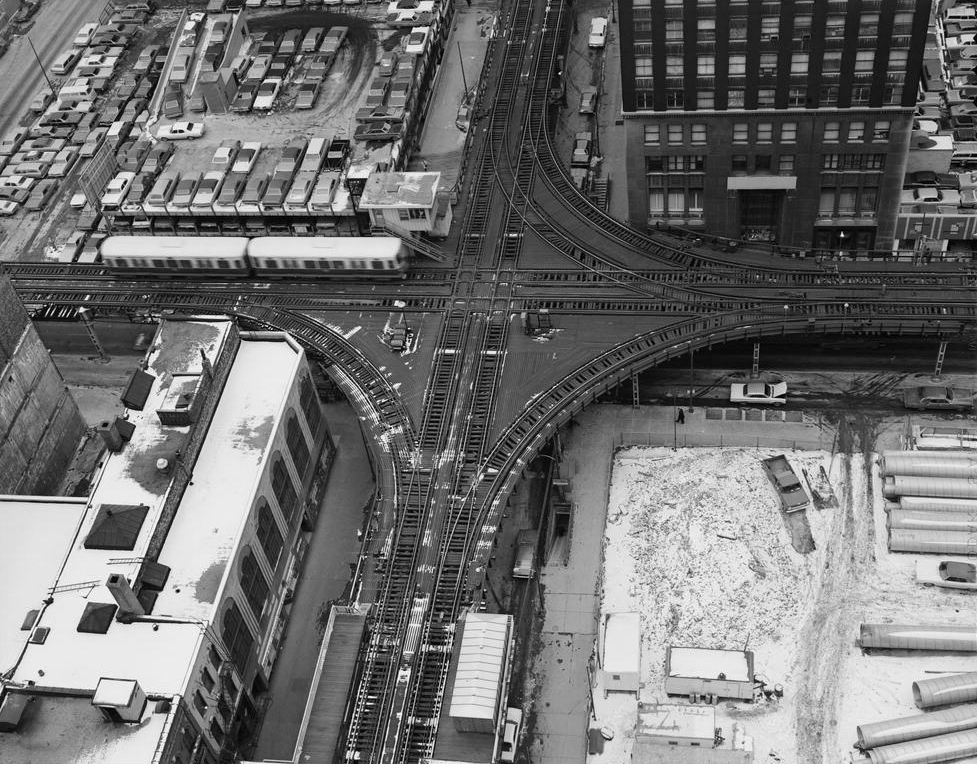
The building sits in the Motor Row district, a stretch of Michigan Avenue that once buzzed with automobile dealerships and now quietly holds some of the city’s most architecturally interesting early-twentieth-century commercial buildings. It is about a ten-minute drive or an easy L ride from the Loop, and pairing the visit with lunch or dinner in nearby Bronzeville makes for a genuinely full afternoon.
Plan to spend about an hour on the guided tour, though conversations with the staff tend to stretch that pleasantly. The foundation also hosts occasional live performances and community events, so check the calendar before you go — arriving on a night when music fills those old rooms is an experience that is difficult to describe and impossible to forget.
Admission is modest, the foundation’s work is meaningful, and the building itself delivers something that no reproduction or digital archive ever could: the actual place where it happened. Chicago made this music, and Blues Heaven Foundation makes sure you feel exactly that.