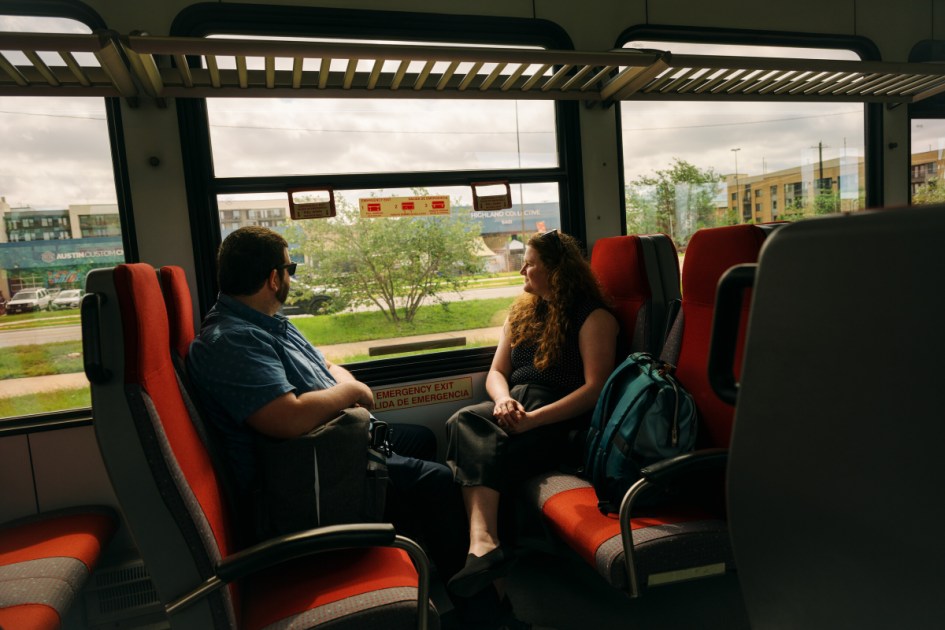
Austin’s multibillion-dollar light rail project, approved by voters in 2020, is facing a fresh wave of legal fights and political friction inside City Hall and beyond. Residents and officials in Austin are debating whether the plan still makes sense given rising costs, shifting priorities, and judicial roadblocks. This article lays out the landscape of legal challenges, political resistance, fiscal concerns, and realistic options for moving forward around the project.
The plan voters supported promised major transit upgrades and a new rail spine through Austin, but the scale and price tag have forced the conversation into a different place. What started as a grand infrastructure pitch has become a complicated package of contracts, permits, and funding pledges that worry taxpayers. The sheer size of the tab has attracted scrutiny from opponents who argue the project exceeds what was authorized by voters and what the city can responsibly finance.
Legal action has already slowed momentum, with lawsuits challenging procedural steps, ballot language and funding mechanisms. Plaintiffs are arguing that approvals were rushed or that the descriptions given to voters were incomplete, and courts have been asked to pause work while they sort those claims out. Those litigation timelines can stretch for months or years, creating uncertainty for contractors, lenders, and residents who expected a clear path forward.
Politically the project sits at the center of a tug of war between progressives who backed a transformative transit vision and conservatives who warn about unchecked spending and mission creep. Austin’s leadership has shown signs of strain as council members weigh competing promises against a tightening fiscal outlook. State-level attention has only added fuel to the debate, with some lawmakers and advocacy groups framing the issue as a test of local accountability and fiscal discipline.
From a Republican viewpoint, the core concern is straightforward: taxpayers should not be left underwriting a multibillion-dollar gamble with vague guarantees and open-ended obligations. Cost overruns and optimistic revenue assumptions are the usual culprits when big projects go off course, and voters deserve hard numbers, realistic timelines, and explicit contingency plans. Responsible stewardship means pausing to verify whether projected revenues hold up and whether legally binding protections are in place before more public money is committed.
The legal process is functioning as a check on that fiscal exposure. Temporary injunctions and court reviews delay spending until judges can evaluate whether the city followed the rules when it sought voter approval and when it structured funding. Those judicial pauses are unpopular with proponents who want to keep construction on schedule, but they also prevent rushed commitments that can saddle future budgets. In that sense, the courts are not simply an obstacle; they are a mechanism to ensure governmental actions obey the letter of the law.
Practical alternatives deserve honest discussion instead of ideological posturing. Phasing the project to build only the most essential segments first, investing in bus rapid transit corridors that deliver similar ridership at lower capital cost, or reallocating a portion of funds to fix critical roads and bridges are all options that reduce near-term risk. Those approaches let officials test demand, control spending, and retain flexibility rather than lock the city into a single, enormous contract that may prove unaffordable.
Accountability and transparency have to be central to any next step. Independent fiscal audits, clear reporting on contractual obligations, and strict limits on debt exposure would reassure residents that leaders are prioritizing taxpayers. Elected officials should set measurable milestones and contingency triggers that pause or scale back construction if revenues or legal clearances do not materialize. That kind of disciplined approach helps restore confidence and keeps the focus on delivering reliable transportation instead of defending open-ended commitments.
At the moment, the project’s future hinges on court rulings, political shifts at City Hall, and hard budget numbers that have yet to stabilize. Austin voters who approved the plan deserve a process that treats their mandate seriously while protecting public finances from unpredictable shocks. The debate will continue in council chambers, courtrooms, and neighborhood meetings as officials try to reconcile ambition with accountability and keep the city’s fiscal house in order.