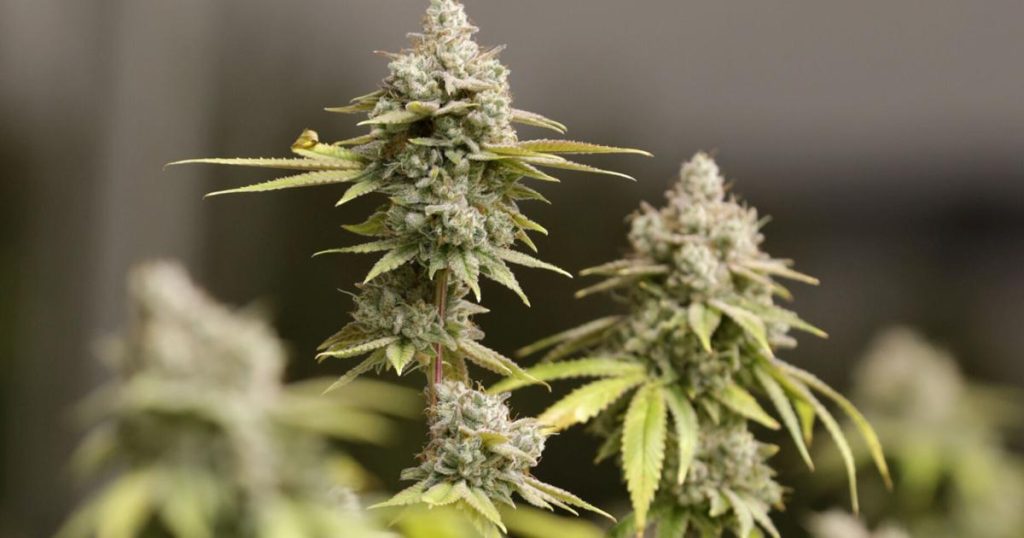
The Ohio Department of Commerce, in collaboration with the OneOhio Recovery Foundation, has initiated a $20 million statewide public education campaign. This effort seeks to inform Ohioans about the health and safety risks associated with marijuana use, particularly in light of the state’s recent legalization of recreational marijuana.
Focus on Families and Youth
Governor Mike DeWine emphasized the importance of this initiative, stating that combating addiction and safeguarding the health of Ohio families remains a top priority. With non-medical marijuana now legal, the campaign aims to provide accurate information, especially to young people and mothers, about the potential consequences of marijuana use.
The campaign will unfold in phases, beginning with a focus on maternal health this summer. Subsequent efforts will target youth prevention and workforce education. Alisha Nelson, executive director of the OneOhio Recovery Foundation, highlighted the need for science-based education to counteract myths surrounding marijuana use.
Addressing Maternal and Youth Concerns
Survey data indicates that marijuana use is on the rise in Ohio, with 41% of adults reporting usage. Among pregnant or planning-to-be-pregnant women, 51% reported using marijuana, often under the misconception that it helps with nausea or stress. The campaign will provide evidence-based information on the risks of marijuana use during pregnancy, such as low birth weight and developmental issues.
The largest portion of the campaign’s investment will focus on preventing marijuana use among youth. Outreach efforts aim to address mental health challenges and stress that may lead teens to use marijuana.
Workforce and Economic Impact
The campaign also plans to address marijuana use in the workplace. Research suggests some Ohioans use marijuana during work hours, prompting the need for educational outreach to support both employers and employees.
In 2025, Ohioans spent over $836 million on non-medical marijuana products, highlighting the economic impact of legalization. The campaign will utilize digital advertising, paid media, community partnerships, health fairs, and local outreach to disseminate information across the state.
Nelson stressed that the campaign’s goal is to educate rather than judge marijuana users, empowering individuals to make informed decisions about their health.
Original reporting: Dayton Daily News — read the source article.