The WNBA opened its 2026 season amid bigger paydays, roster churn and a compressed 44-game race, and the early leaderboard already points to familiar powers. From Breanna Stewart firing up the New York Liberty to A’ja Wilson leading the Las Vegas Aces, teams like the Atlanta Dream and Indiana Fever are staking early claims. This piece walks through how each franchise looks after the first week and a half of action, naming the key players and the trends that could decide playoff seeding and title hopes.
New York has looked like the league’s offensive engine through four games, with Breanna Stewart back at MVP pace and Marine Johannes spacing the floor aggressively. The Liberty sit 3-1 and will only get deeper as Sabrina Ionescu and Satou Sabally return to practice, giving coach Chris DeMarco more weapons for crunch-time adjustments. Their schedule tightens, but the roster balance and scorer depth make New York a logical favorite.
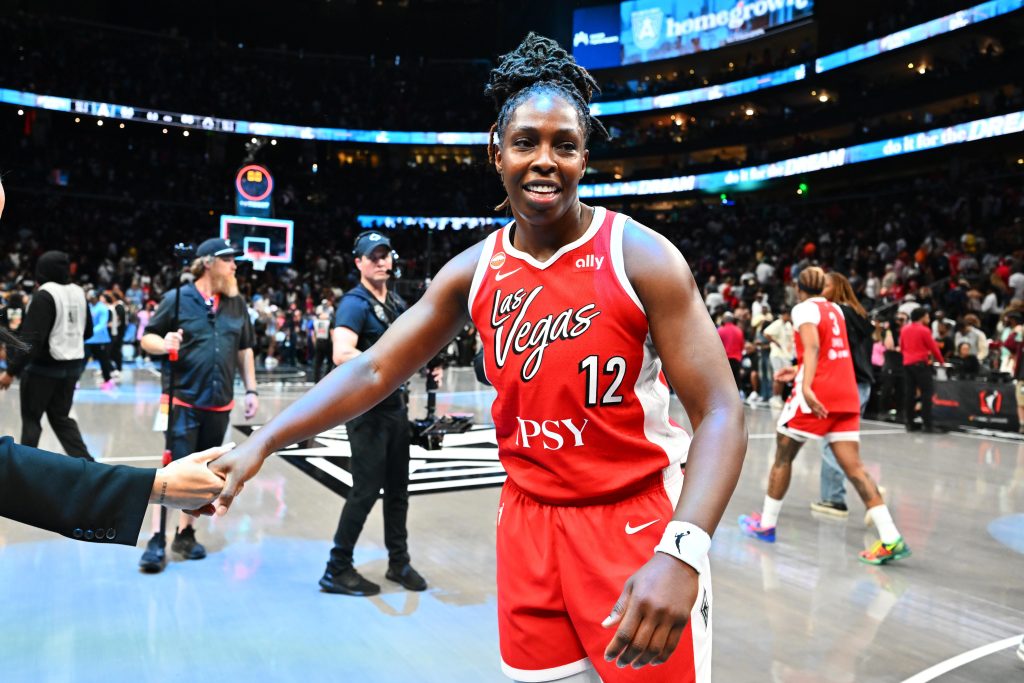
Las Vegas, fresh off a championship, exploded out of a heavy opening slate at 4-1 with A’ja Wilson imposing her will in the paint. Chelsea Gray and Jackie Young are doing playmaking damage, and offseason pickup Chennedy Carter has been an offensive catalyst, shooting efficiently and creating offense early. Defending a title will test depth and health, but the Aces look every bit the repeat contender.
The Indiana Fever have pushed a high-octane offense into the early top tier, yet their defense has been porous, ranking near the bottom in points allowed. At 2-2 they need a defensive identity to emerge, and Aliyah Boston’s injury status could define how quickly that happens. If a stopper arises, Indiana’s scoring punch could carry them deep.
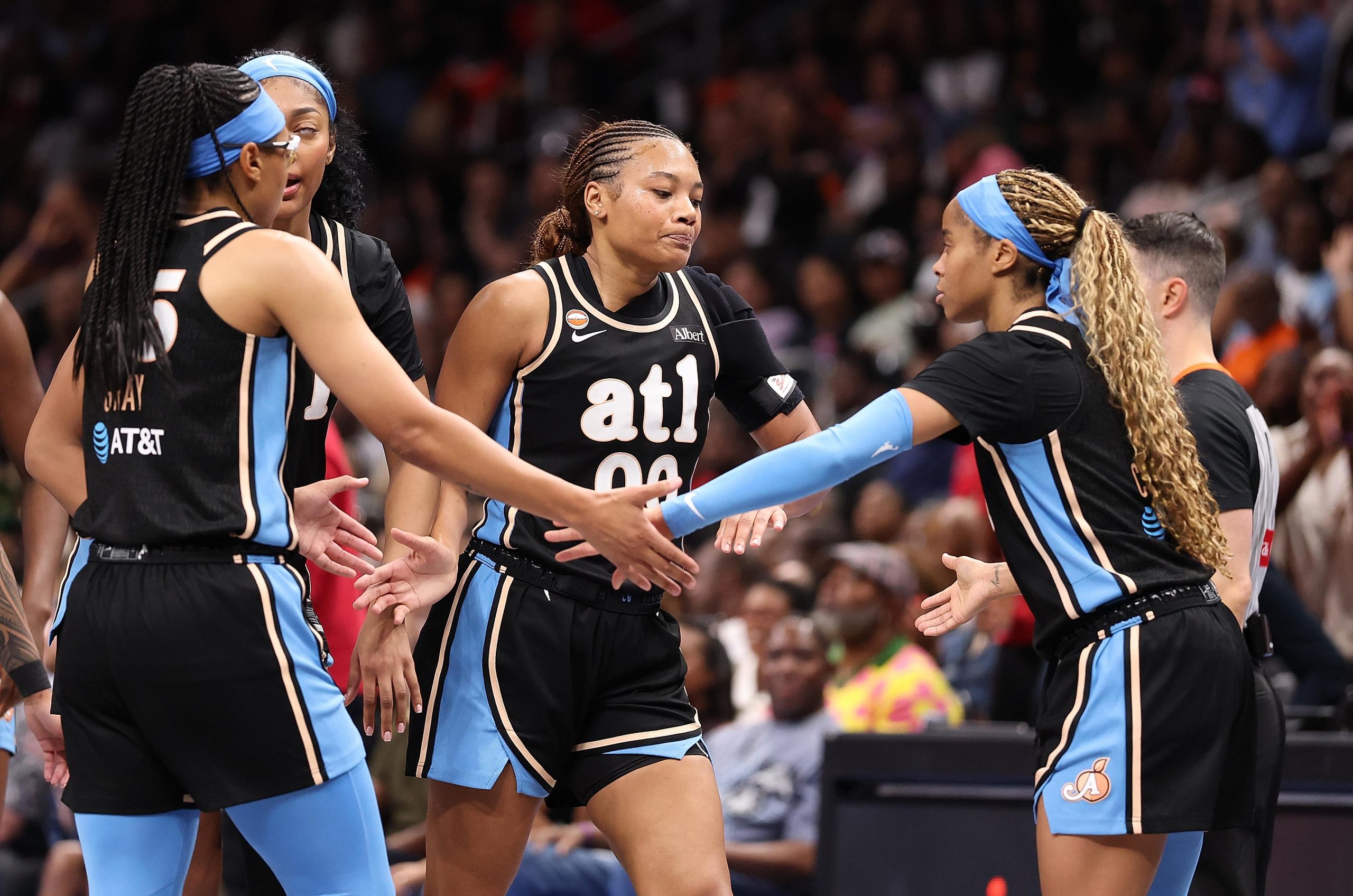
Atlanta’s Dream have leaned on Allisha Gray and a bruising frontcourt presence from Angel Reese to start 2-1, and their defense is quietly stingy. Rhyne Howard hasn’t found her groove yet, and Brionna Jones remains sidelined, but the team’s chemistry and rebounding edge give them staying power. The Dream will need more consistent shooting to match the league’s top offenses.
Minnesota has spread production across a committed roster, and rookie Olivia Miles has stepped in with smart playmaking and scoring bursts during a 2-2 start. The Lynx are shooting efficiently as a group and generating turnovers and blocks at a high clip, which has masked the absence of Napheesa Collier. If the balance holds, Minnesota will be dangerous in close games.
Phoenix is getting reliable output from Kahleah Copper and Alyssa Thomas, and rookie Jovana Nogic has flashed big-time shooting in short bursts. At 2-3 the Mercury are competitive because their stars deliver across the box score, with Thomas orchestrating and Copper finishing. Improving consistency from role players would push them back into the upper mix.
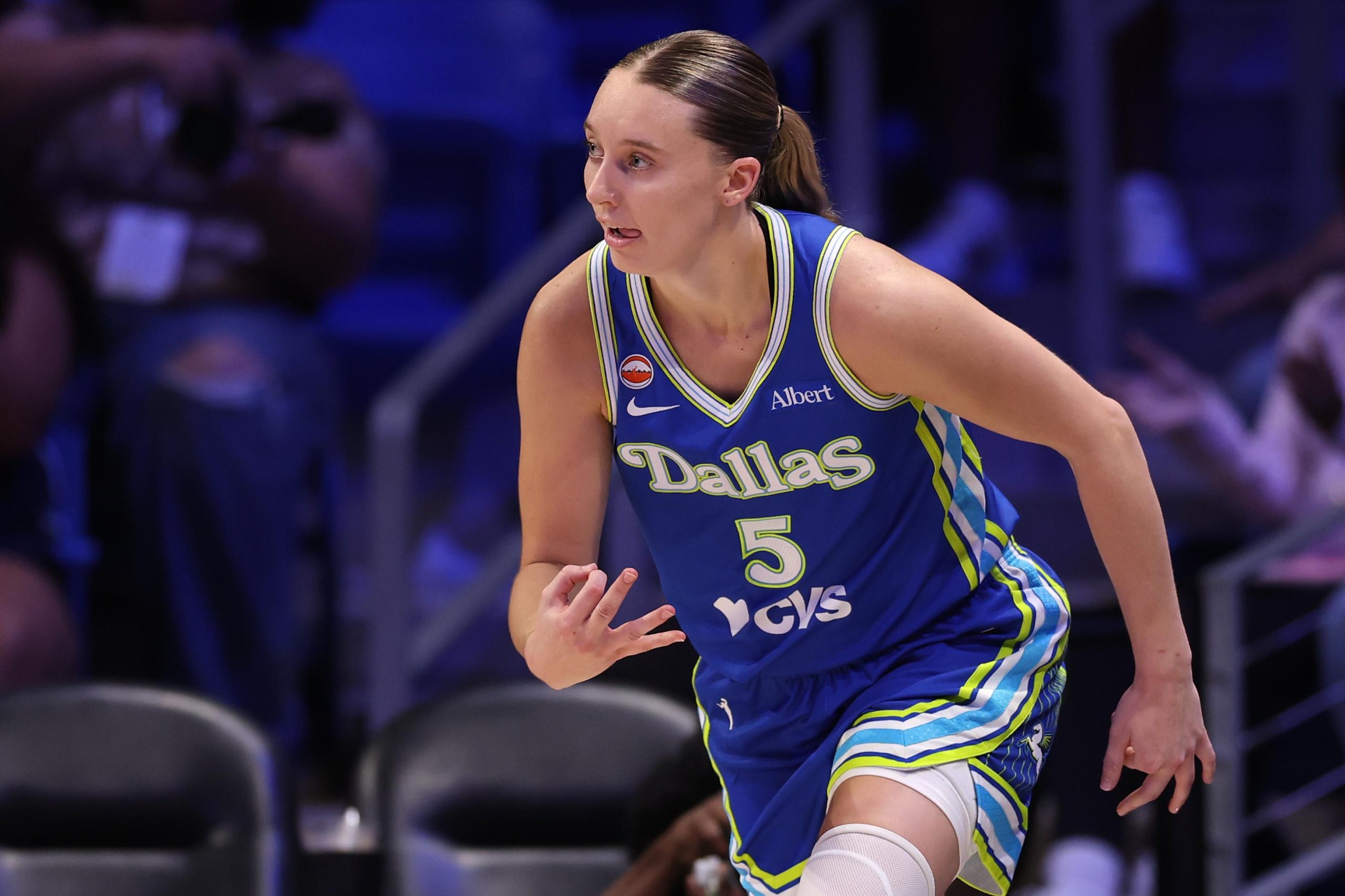
Dallas has shown offensive sparks under first-year coach Jose Fernandez as Paige Bueckers and Jessica Shepard lead a youthful group. The Wings are 2-2 and look more cohesive after answering early criticism with a statement win over Washington. Depth pieces like Arike Ogunbowale and Alanna Smith remain pivotal for matchups down the stretch.
Golden State’s Valkyries boast one of the league’s best net ratings thanks to a defense that has been hard to score on through three games. Rookie Janelle Salaun is contributing immediately, and Veronica Burton has been a two-way engine creating and distributing. The schedule tests them early, but the unit’s defensive identity feels sustainable.
Los Angeles has leaned on Kelsey Plum’s scoring explosion while the rest of the roster search for balance, leaving the Sparks at 1-3 and with the league’s toughest defensive mark to improve. Dearica Hamby and Nneka Ogwumike have been steady in scoring, but opponents have attacked L.A.’s defensive gaps. The Sparks must tighten rotations to climb back into contention.
Washington’s young core is growing quickly, with Sonia Citron and Kiki Iriafen turning heads by carrying much of the offensive load. Shakira Austin has been reliable on both ends, and rookies Cotie McMahon and Lauren Betts are settling into pro roles. The Mystics’ timeline is clearly developmental, but their progress is tangible through four games.
Chicago’s defense has been elite in the early going, posting one of the best ratings after four contests, although losing Rickea Jackson to a season-ending ACL blow is a major setback. The Sky will need new secondary scorers to replace Jackson’s production if they want to sustain their strong defensive foundation. Coach and roster moves over the next weeks will tell whether Chicago can convert stops into enough offense.
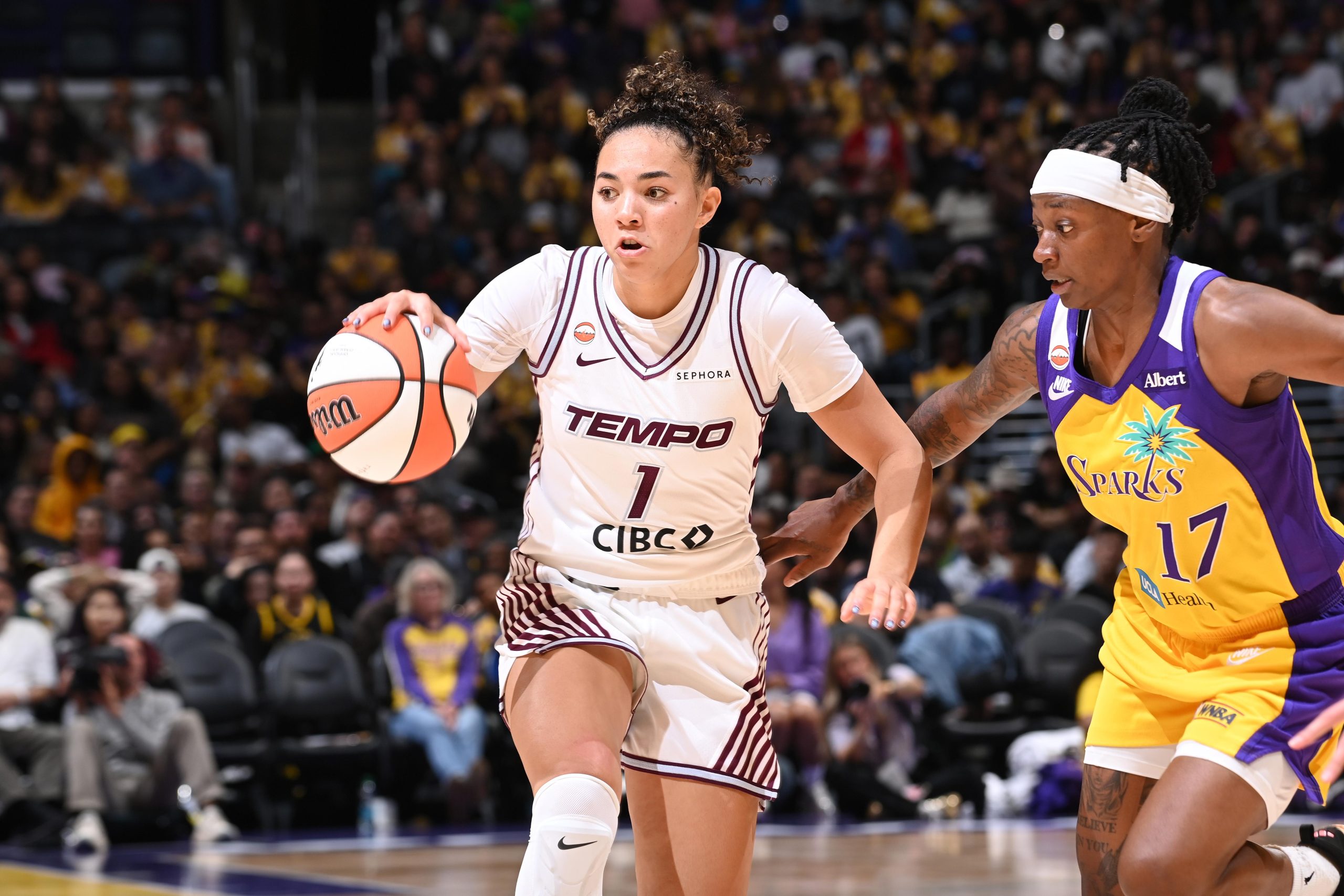
Toronto’s Tempo are proving the skeptics wrong in their inaugural season, riding Brittany Sykes and Marina Mabrey to a 3-2 start while rookie Kiki Rice maximizes minutes. Sykes has been an elite scorer and playmaker, and the bench has contributed in timely ways. For an expansion-style squad, cohesion and hot shooting have changed the narrative quickly.
Seattle’s depth is developing offensively despite missing players like Ezi Magbegor in early lineups, with Jade Melbourne and Flau’jae Johnson stepping into scoring roles. The Storm are 1-3 but showing signs of rotation growth and balanced scoring. Expect gradual improvement as injured pieces return and bench chemistry solidifies.
Connecticut sits at 0-5 but gets steady work from sophomore Aneesah Morrow, who is averaging a double-double, and from veterans like Brittney Griner and Hailey Van Lith. The Sun need more reliable secondary scoring and defensive stops to convert close games. Young talent is present; translating it to wins is the next step.
Portland’s Fire have shown flashes on offense through players like Bridget Carleton and Carla Leite, including a surprise win over New York courtesy of timely scoring. At 2-2 they remain vulnerable on defense, surrendering more points than most rivals. If defensive discipline improves, Portland could be the upset-minded team that disturbs established hierarchies.