The Thunder face a quick series reset after dropping Game 1 of the 2026 Western Conference Finals to the Spurs, and this piece breaks down why Oklahoma City lost, who stood out for San Antonio, what the Thunder must change, and how the series might shift in the coming games. We’ll name key players like Shai Gilgeous-Alexander and Victor Wembanyama, point to coaching chess between Mark Daigneault and Gregg Popovich, and look at the tactical moves that could flip the script. Expect a focused look at matchups, rotations, and the small details that decide playoff basketball.
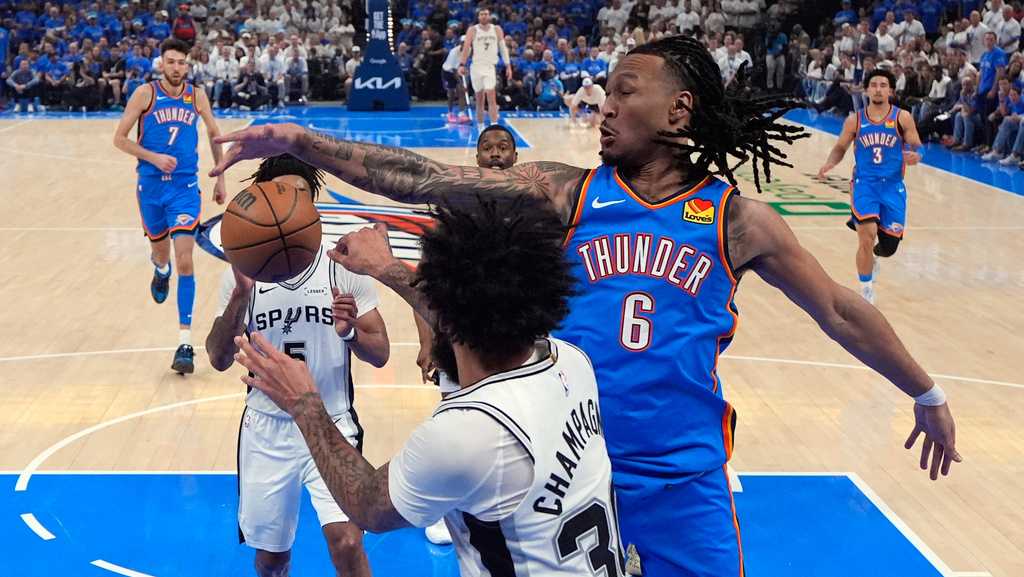
Game 1 exposed a handful of mismatch problems the Thunder couldn’t solve, starting with interior defense and second-chance points. The Spurs leaned on size and length to disrupt driving lanes and grab offensive rebounds, turning a few possessions into momentum-swinging plays. When a team can turn two or three extra opportunities into field goals in a playoff game, it erodes confidence and forces the trailing team into rushed decisions.
On the offensive end, Oklahoma City’s spacing hiccups were obvious; driving lanes closed quicker than expected and forced kick-outs became contested threes. Shai Gilgeous-Alexander still created, but the Spurs’ coverage limited clean looks and the Thunder’s role players didn’t consistently capitalize. When the supporting cast goes cold, stars face tougher defensive attention and the offense becomes easier to plan against.
Matchup-wise, Victor Wembanyama’s presence altered the paint in ways that don’t always show up in the box score. His shot-blocking and rim deterrence made paint entries costly, and San Antonio used that leverage to funnel opponents into low-percentage perimeter shots. Containing his court-hogging moments without overcommitting has to be central to Oklahoma City’s game plan moving forward.
Bench production was another decisive factor in Game 1. The Spurs got timely scoring and defensive snaps from reserves, while the Thunder’s second unit struggled to keep pace. Playoff series can hinge on the bench, and whoever finds reliable minutes from reserves gains a huge edge when starters need rest or face foul trouble.
Coaching adjustments will determine the tone of Game 2 and beyond, and both Mark Daigneault and Gregg Popovich are coaches who adapt under pressure. Daigneault can tweak lineups, chase matchups with zone packages, or change the pace to draw the Spurs out of their comfort zone. Popovich will counter, but the coaching chess in a series often favors the team that forces the other side into reactive play.
Practical fixes for the Thunder are straightforward: protect the rim better, crash the glass with intent, and move the ball faster to generate rhythm shots. That also means trusting role players in early possessions instead of overloading the offense around one or two reads. When the bench sees quality minutes and the starters get easier looks, the team regains balance and pressure on the opponent increases.
Turnovers and free-throw disparities are small but brutal in playoff settings, and Oklahoma City needs to cut careless giveaways. Turnovers in transition turn defense into offense before sets even form, and missed free throws after fouls magnify the problem. Tightening ball security and composure late in quarters will keep the Thunder in every game regardless of how the other team matches up physically.
From a series outlook perspective, losing Game 1 isn’t fatal—history shows plenty of series swings after opening losses—but it does raise the stakes. Oklahoma City will have to take at least one of the next two to reclaim control and avoid a steeper climb on the road. The Spurs will smell blood and play with more confidence if they keep the Thunder guessing.
Individual matchups will matter more than schematic theory; how Shai handles double teams, how Chet Holmgren contests without fouling, and whether the Thunder’s wings can slow perimeter shooters will decide multiple possessions. Execution on both ends of the floor, not just Xs and Os on the clipboard, will flip this series. Expect tighter rotations, targeted defensive assignments, and a cleaner, more disciplined Thunder team in the immediate rematch.