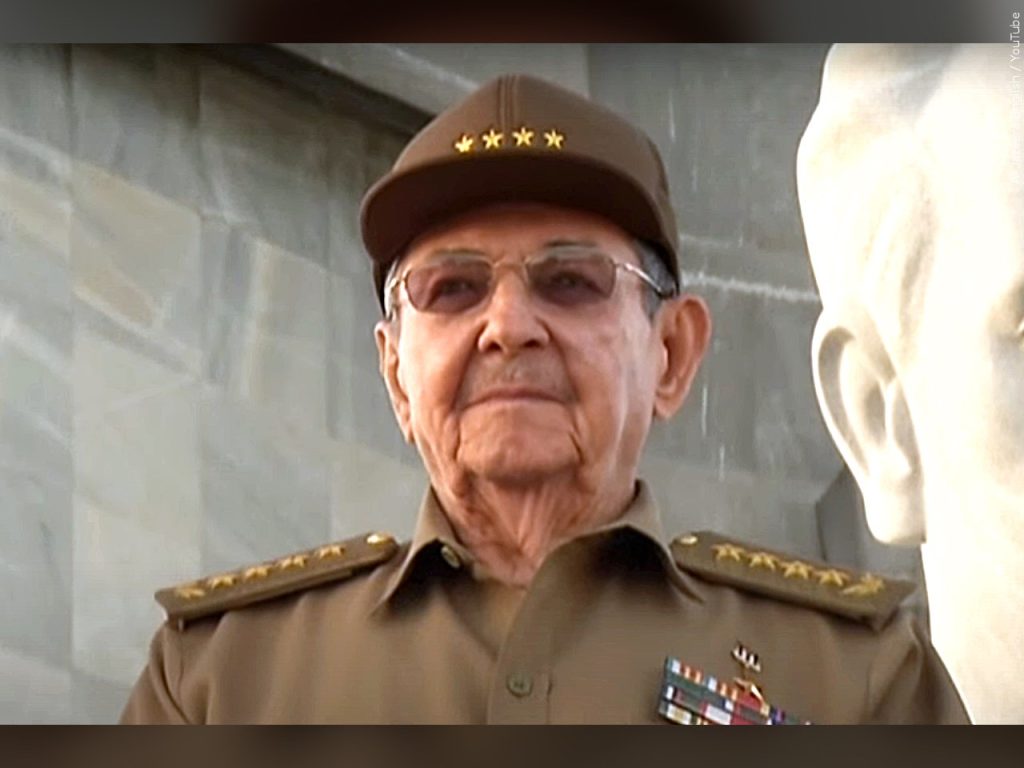
The Justice Department has unsealed an indictment charging former Cuban President Raul Castro with murder for his alleged role in ordering the 1996 shootdown of two planes carrying humanitarian aid that killed three Americans, a case that reaches back to Cuba, Washington and a long-running demand for accountability from victims’ families.
The newly revealed charges are a stark reminder that the U.S. can still pursue justice even decades after a crime. Federal prosecutors say the shootdown targeted small aircraft in international airspace and resulted in American deaths, and the indictment lays criminal responsibility at the feet of a former head of state. For many in the U.S. and among Cuban exile communities, this move answers a long-standing call for the rule of law to catch up with history.
This is not just legal theater. The Department of Justice brought a murder charge that requires evidence tying decision makers to the lethal order, and unsealing the docket signals confidence in the case. Prosecutors will face unusual hurdles: gathering reliable documentation from Cuba, proving intent, and wrestling with questions of sovereign immunity and the passage of time. Still, charging a former president shows the government is willing to test those limits to protect American lives.
Families of the victims have been asking for answers since 1996, and this action will be seen as a long-awaited step toward accountability. Those relatives watched those flights vanish from radar and waited for a response from U.S. authorities that, by many accounts, never felt sufficient. From a Republican perspective, this is the right kind of tough stance: when Americans are killed, the nation should not let killers hide behind regime walls or old calendars.
The political ripple effects are inevitable. In Washington, charges against Raul Castro will complicate any talk of engagement with Havana and could become a flashpoint in debates over U.S. policy toward Cuba. Lawmakers who favor a harder line will point to the indictment as proof that weakness rewards brutality, while advocates for normalization will have to reckon with the legal and moral questions it raises. Either way, the story forces a reassessment of how the U.S. balances diplomacy with accountability.
Practically speaking, bringing a former leader to justice is messy. Cuba does not hand over its former presidents to U.S. courts, and extradition prospects look slim. Yet indictments can restrict travel, freeze assets, and place moral pressure on other governments. They also preserve a legal record, which matters to the families and to history. This case will likely move through procedural avenues that keep it alive even if courtroom confrontation never happens.
The larger theme is straightforward: American citizens killed abroad deserve an answer, and the Justice Department is asserting jurisdiction to pursue it. That principle resonates with voters who expect their government to be relentless on crimes affecting Americans. Charging Raul Castro sends a message that time and politics will not erase responsibility when lives were taken in clear, violent ways.
There will be critics who frame the move as symbolic or politically motivated, and that conversation will play out publicly. Skeptics can point to the difficulty of securing convictions against foreign leaders or the limits of U.S. reach. The counterargument, appealing to many conservatives, is that the state must take every legal step to hold perpetrators accountable and to deter future attacks on unarmed humanitarian missions.
As the case progresses, expect intense legal wrangling over evidence, jurisdiction and the applicability of domestic criminal statutes to acts ordered from the top of a foreign regime. Prosecutors will be pressed to connect actions on the ground to orders issued in Havana, and defense strategies will likely challenge the very premise of U.S. authority in this kind of prosecution. Still, beginning that process matters; it forces clarity around the facts and sends a message about consequences.
Whatever happens next, the unsealing of the indictment reopens a painful chapter for the loved ones of the three Americans who died and for communities in Florida and elsewhere that watched the incident unfold. It is a reminder that U.S. institutions can move decisively when they choose to, and it underscores a core conservative view: justice delayed should never mean justice denied.