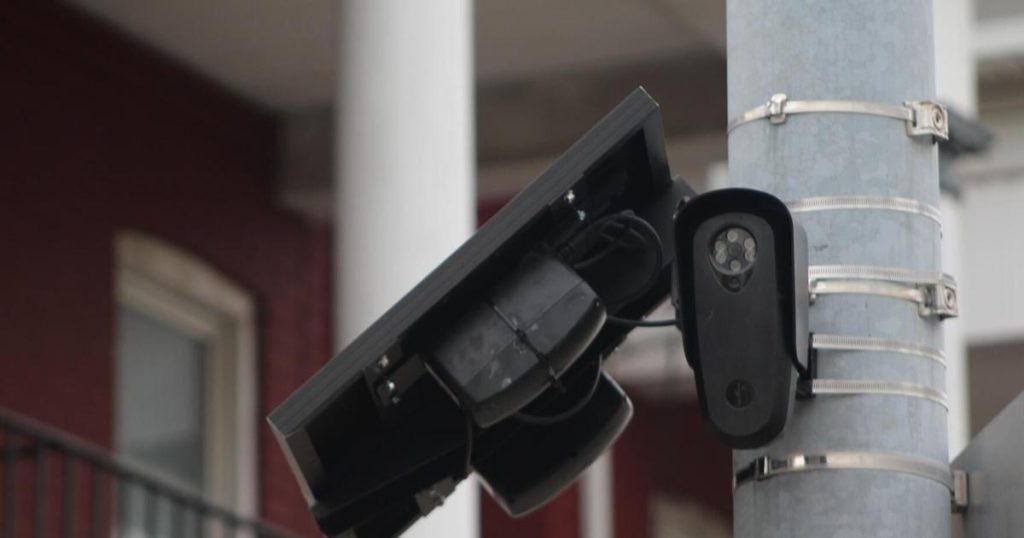
Law enforcement agencies in Ohio have been sharing automated license plate reader (ALPR) data for immigration-related purposes, according to an investigation by the Dayton Daily News. This practice has raised concerns about privacy and transparency among local residents and officials.
Local Impact and Policy Changes
In response to these findings, the Kettering Police Department has changed its policy to prevent agencies from accessing its ALPR data solely for immigration purposes. This decision came after it was revealed that Kettering’s data had been accessed 184 times in January for immigration checks, with several searches conducted by out-of-state agencies.
Dayton recently suspended its use of fixed-point ALPRs after discovering that outside agencies accessed its data for immigration searches, which violated local policy. Other local departments, such as Tipp City, continue to allow access to their ALPR data but emphasize that it is for legitimate law enforcement purposes only.
Privacy Concerns and Oversight
The use of ALPR data for immigration enforcement has sparked debate over privacy and the need for clear oversight. Some local officials, like Tipp City Manager Eric Mack, stress the importance of maintaining policies that govern system access and conducting regular audits to ensure compliance with laws and standards.
However, the vague reasons often provided for accessing ALPR data have led to calls for greater transparency. Melissa Bertolo, a founding member of the Coalition for Public Protection, highlighted the lack of safeguards in place to ensure that data is accessed appropriately.
Broader Implications
The sharing of ALPR data for immigration purposes is not limited to Ohio. The Dayton Daily News found that many out-of-state law enforcement agencies, including those in Texas, Florida, and Indiana, have accessed Ohio’s ALPR databases for similar reasons. This has raised questions about the extent of cooperation between local and federal authorities in immigration enforcement.
While Flock, the company providing ALPR technology, states that federal agencies like ICE do not have direct access to their systems, they acknowledge that local agencies can share data with federal authorities. This has led to concerns about the potential for overreach and the need for clear guidelines to protect citizens’ privacy.
Original reporting: Dayton Daily News — read the source article.