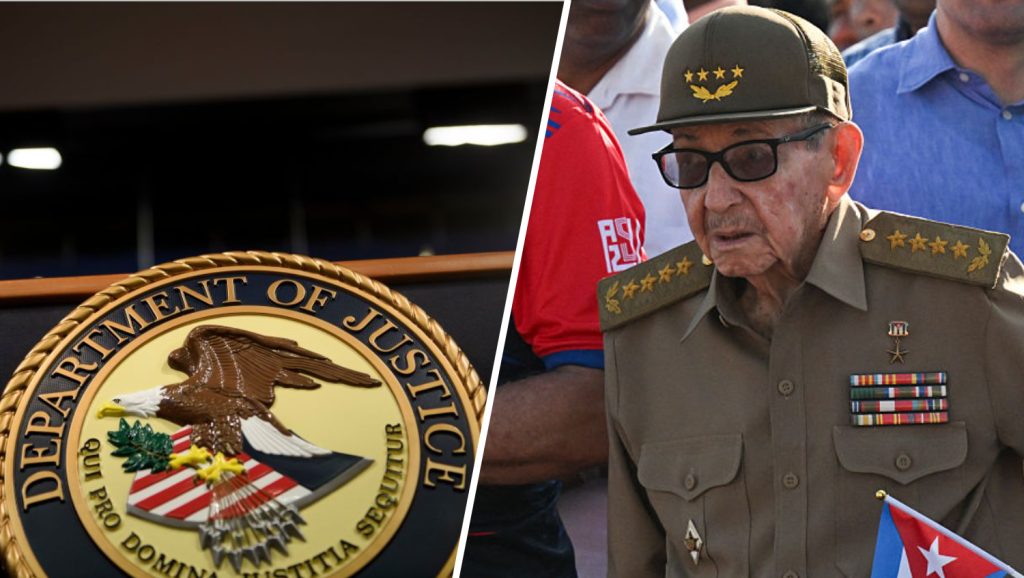
The Justice Department has moved to charge former Cuban leader Raúl Castro over the 1996 downing of two Brothers to the Rescue planes that were flying out of Miami, Florida. Families in Miami, federal investigators in Washington and officials watching Havana all figure in this unfolding legal and moral moment. This piece lays out what the action means, who’s involved and why it matters to Americans demanding accountability.
The core allegation is stark: the U.S. government says Raúl Castro played a role in the shootdown that killed four Americans in 1996. Brothers to the Rescue was operating from Miami, and the victims were part of a exile community that had long protested the Castro regime. For many in South Florida, this is not history; it is a wound that never fully healed.
The indictment effort signals a belief in accountability across borders and decades. Republicans who have long argued that tyrants must answer for attacks on American citizens will see this as overdue. It also underscores a broader point about consequences: actions against Americans, even abroad and even years later, can prompt U.S. criminal processes.
Brothers to the Rescue was a small, volunteer group with roots in the Miami exile community. Their flights mixed activism and humanitarian missions, and the 1996 shootdown became an international flashpoint. The deaths prompted Congressional outrage at the time and led to sanctions and diplomatic blows against Havana.
Washington’s move to charge a former head of state is legally complex and politically charged. Bringing charges against a surviving Cuban leader raises jurisdictional questions and will test how U.S. prosecutors handle evidence tied to events in another country. For Republicans, however, the principle is simple: when Americans are killed, the Justice Department should pursue justice wherever it can.
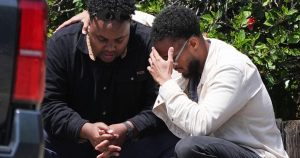
Families of the victims have watched decades of politics and diplomacy unfold while grieving. That personal dimension fuels the push for an indictment and gives it moral force beyond legal technicalities. Expect to hear powerful statements from relatives and community leaders in Miami if the case proceeds to unseal charges or seek extradition.
The move also lands in the middle of broader U.S.-Cuba relations, which have experienced fits and starts across administrations. Republicans generally favor pressure and accountability rather than accommodation with the Castro leadership. This action fits that posture by emphasizing justice rather than normalization gestures when unresolved crimes against Americans remain on the record.
Practically speaking, the indictment will face hurdles. Gathering admissible evidence, securing witness cooperation and navigating diplomatic obstacles are uphill tasks. It is likely to be a long legal road and could end up testing international norms about sovereign immunity and the treatment of former heads of state.
The political fallout will ripple in Florida, a state where Cuban-American voters remain influential. Local leaders in Miami will likely press for a full accounting and be vocal about the human toll of the 1996 incident. That pressure, coming from a community that lost neighbors and friends, will shape how the case is framed in national debates.
Beyond partisan lines, Americans who value the rule of law will be watching whether U.S. prosecutors can marshal a case that withstands scrutiny. For Republicans, the moment is framed as justice and deterrence: demonstrating that attacks on Americans do not fade with time or diplomacy. It is also a reminder of the long reach of memory for families and communities affected by political violence.
How this unfolds will matter to foreign policy, to legal precedent and to the families who want answers. The indictment, if filed, will re-open questions about accountability in the 1990s and the limits of diplomatic negotiations that left criminal questions unresolved. Expect heated coverage, sharp political commentary and renewed calls for tangible closure from Miami to Washington.
The names involved are plain and painful: Raúl Castro, Brothers to the Rescue and the four Americans who were killed over 25 years ago. This action by the Justice Department promises to re-center those names in public view and to force a national conversation about responsibility and redress. Whether it results in a trial or quiet legal wrangling, it will not be ignored by those demanding that justice keep pace with grief.