Federal health officials have ordered mandatory quarantine for the 18 cruise ship passengers being monitored in Omaha after a deadly hantavirus outbreak, and local and national health teams are coordinating to contain any risk while watching those passengers for symptoms.
The action follows tests and contact tracing connected to a recent hantavirus event that authorities describe as serious. Officials moved quickly to isolate the small group to prevent possible spread and to track health outcomes. Omaha has become the monitoring location while public health experts assess exposure and incubation timelines.
Hantavirus is rare but can be severe, with initial symptoms that resemble the flu and the potential to progress rapidly to respiratory distress. Because early signs are non-specific, health officials often err on the side of caution and keep potentially exposed people under observation. That caution is the reason the 18 passengers are now under mandatory quarantine rather than voluntary self-monitoring.
Quarantine in this case means controlled lodging and routine medical checks rather than a punitive or indefinite lockdown. Medical teams are checking temperatures, oxygen levels, and any developing respiratory complaints multiple times a day. Lab testing is being used to rule out infection or confirm it quickly so care can begin without delay.
Public health authorities emphasize that hantavirus transmission in the United States usually involves contact with rodent urine, droppings, or nesting materials rather than casual person-to-person spread. Still, with a deadly outbreak reported elsewhere on the cruise, officials could not justify leaving passengers free while the situation was investigated. The federal mandate is aimed at stopping any chain of events that could escalate in a crowded setting.
Cruise travel presents unique challenges because passengers share indoor spaces and, on some voyages, may have had exposure to environments where rodents were present before or during the trip. Investigators are retracing the ship’s ports of call and onboard movements to find where exposure likely occurred. That work helps narrow who else might need monitoring and whether shipboard environmental controls failed.
For the passengers quarantined in Omaha, medical teams are coordinating care with public health liaisons and the facilities where they are staying. Mental health and communication services are also part of the plan so those isolated get clear updates and support. Officials say transparency matters to keep anxiety from spreading faster than the pathogen might.
Local hospitals in Omaha have been notified and are on standby, but quarantine aims to avoid hospitalizing people who remain well. The goal is early detection so treatment can begin immediately if any passenger develops worrying signs. In past hantavirus cases, timely supportive care for breathing problems has made a material difference in outcomes.
Federal and local health officials are also working with the cruise operator to clean and decontaminate relevant areas and to review pest-control records. That review will determine whether the ship itself contributed to exposure or if the risk originated before boarding. The company and health teams must answer those questions to prevent future incidents.
Contact tracing continues beyond the 18 people in Omaha, with investigators seeking to identify crew members, shore excursion staff, and other passengers who might have been exposed. Notifications to those contacts focus on symptoms to watch for and clear instructions about where to seek testing. Authorities stress that most contacts will not develop severe illness but need a plan for quick evaluation if symptoms appear.
Travelers connected to the voyage are being advised to monitor their health and to avoid unnecessary travel while contact investigations proceed. Public health messaging tries to balance caution with facts to prevent panic that can disrupt communities and services. Officials note that isolated incidents do not mean widespread community transmission, but vigilance is necessary.
Meanwhile, researchers and infectious disease experts are reviewing clinical details from the outbreak to understand the pathogen’s characteristics and how it behaved in the cruise environment. That analysis can guide future prevention measures, from ship sanitation to passenger screening. Learning from each event improves the playbook for protecting travelers and host communities alike.
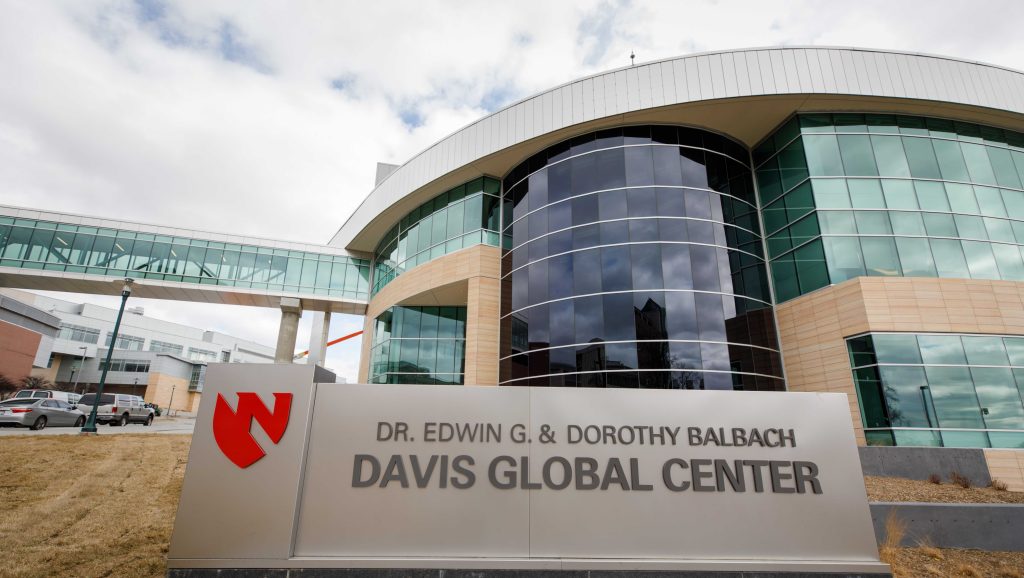
Local leaders in Omaha say they are cooperating fully with federal teams and that resources are in place to manage the quarantine safely. The city’s role is to provide a secure setting for monitoring while minimizing disruption to residents. Officials appreciate clear communication from federal partners to keep the response focused and orderly.
As the quarantine period continues, the key measures are symptom checks, lab surveillance, and a transparent reporting chain among federal, state, and local agencies. Those mechanisms aim to catch any case early and prevent onward spread. For now, the priority remains watching the 18 passengers closely and ensuring that any illness is treated without delay.