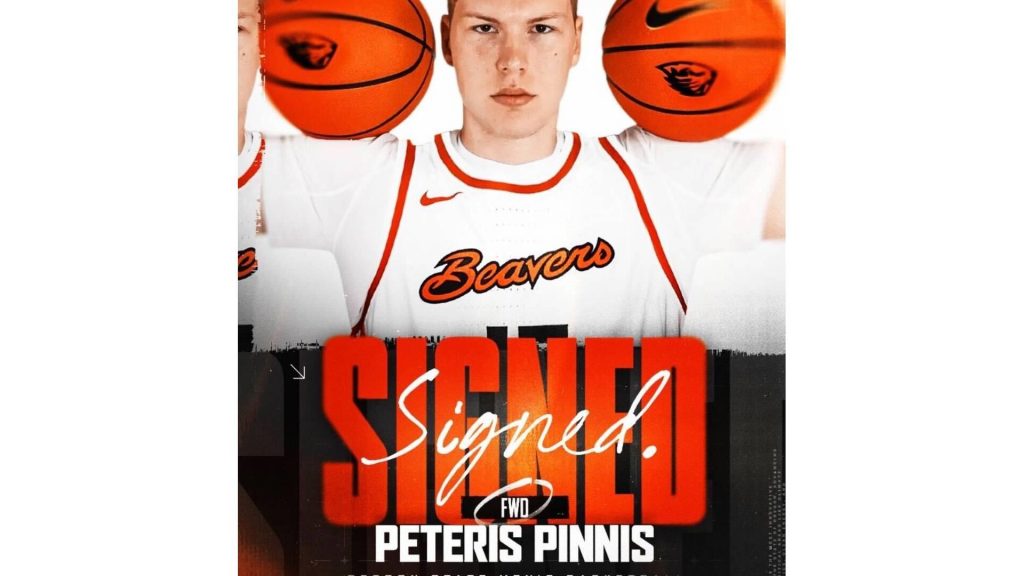
Peteris Pinnis, a 7-foot-1 center from Latvia who played sparingly at Providence in 2025-26, has committed to the Oregon State Beavers and will join Justin Joyner’s program in Corvallis this fall. The move follows a patient recruiting process and comes as Oregon State looks to add size after Johan Munch entered the transfer portal. This article lays out what Pinnis brings, how the fit looks for the Beavers, and what to watch next for both the player and the team.
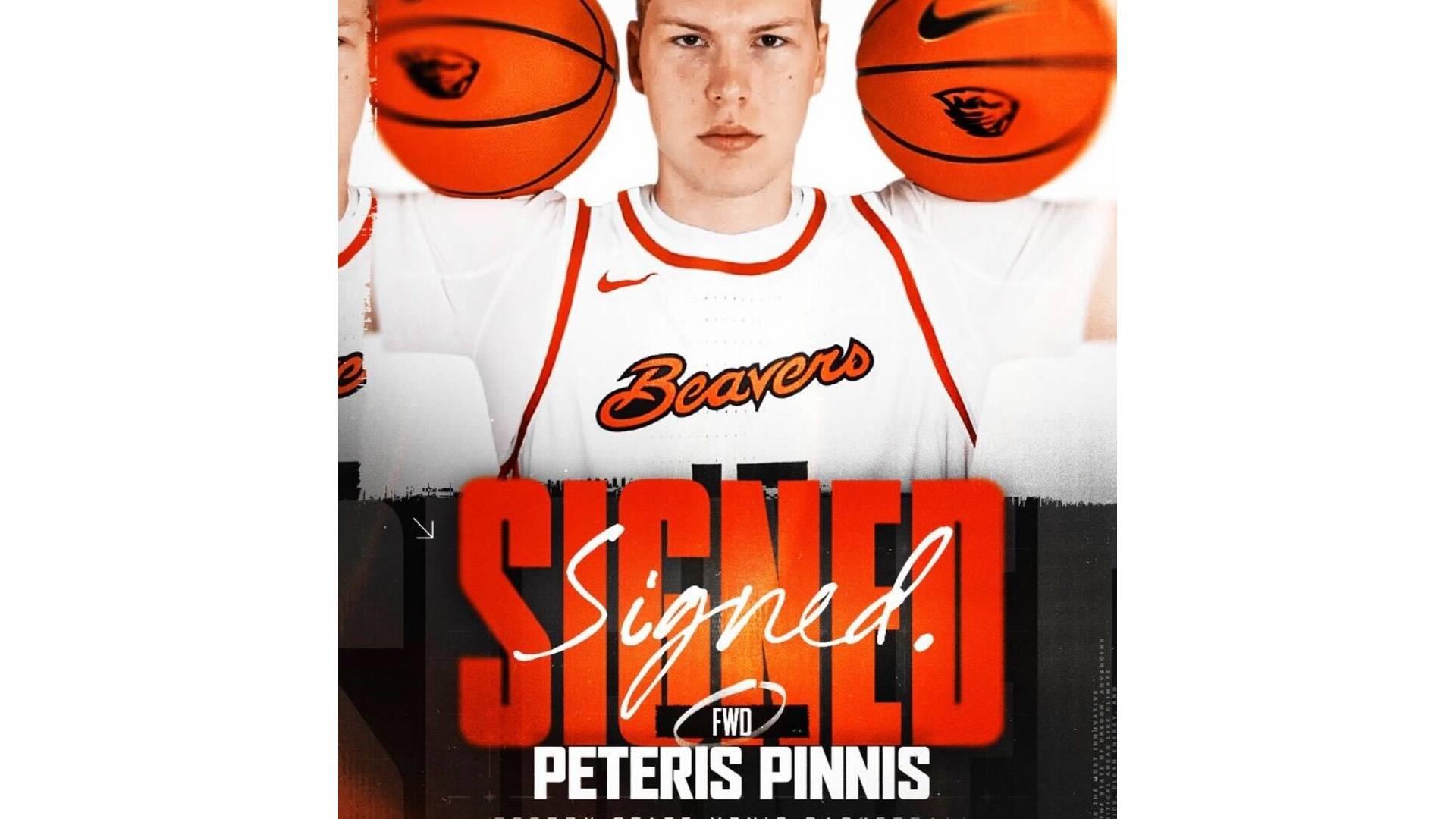
After a lengthy courtship both sides finally said yes and Pinnis is officially joining the Oregon State Beavers. The signing adds a true big to a roster that has been hunting for consistent interior size and physicality. Expectations are reasonable: more minutes, more opportunity, and a chance for Pinnis to prove he belongs at this level.
✍️ OFFICIALLY A BEAVER!
Welcome to #BeaverNation Peteris Pinnis! #GoBeavs pic.twitter.com/XohWrZpDch
— Oregon State Hoops (@BeaverMBB) May 18, 2026
A Latvian big, Pinnis logged just 4.2 minutes per game in his lone season with the Providence Friars, a small sample that still hinted at his tools. At seven-foot-one he offers length and reach that are hard to teach, and Oregon State figures to give him the minutes he didn’t get in Providence. For a player chasing development and visibility, the Beavers present a clearer path to on-court responsibility.
Oregon State head coach Justin Joyner praised Pinnis’ size and the frontcourt versatility he hopes to unlock. Joyner pointed to Pinnis’ mobility and physical presence as reasons the Beavers targeted him during the offseason. The staff believes Pinnis can help on the boards and alter shots just by being on the floor.
“We are thrilled to welcome Peteris Pinnis to our program here at Oregon State University,” Joyner said. “Peteris is a unique frontcourt player with tremendous size at 7-foot-1, but what really separates him is how well he moves and how hard he plays. He runs the floor extremely well, rebounds at a high level, and brings a physical presence that impacts the game on both ends every possession.
That interior muscle is exactly what the Beavers lacked last season, when Oregon State surrendered 74.2 points per game and leaned heavily on Johan Munch for rebounding and rim protection. With Munch entering the portal, the need for a dependable interior rebounder became urgent. Pinnis fills that need in theory, bringing a body and reach that should make a difference on the glass.
On paper the fit looks mutually beneficial: Pinnis wants more playing time, and Oregon State wants more production inside. The Beavers can slot him into minutes behind or alongside their remaining bigs while he learns the pace and physicality of the Pac-12. If he adapts quickly, Pinnis could become a regular rotation piece by midseason.
Physically he checks obvious boxes — height, wingspan, and the ability to run the floor — but the real question is polish. Limited NCAA minutes mean coaches will be working on fundamentals like footwork, positioning, and finishing through contact. Those gains won’t happen overnight, but a patient development plan under Joyner could speed progress.
Defensively, Pinnis’ length should help Oregon State contest shots and secure rebounds, especially on the defensive glass. Offensively, his role will likely begin with simple rim runs and putbacks, then expand to short-roll actions and catch-and-finish opportunities. The Beavers will want him to become a reliable last-line defender and a clean rebounder first, with offensive growth to follow.
The transfer portal era makes moves like this feel more common, but the right landing spot still matters a lot. Oregon State managed to secure a high-upside prospect who might have been buried on other rosters but can thrive in Corvallis. Fans should expect early glimpses in scrimmages and nonconference games, with a clearer picture once league play starts.
Pinnis’ journey from Latvia to Providence and now to Oregon State is also a reminder that college basketball pathways are unpredictable. A year of limited minutes doesn’t erase potential, especially for a big who can impact games in ways that box scores don’t always capture. How quickly he translates physical tools into consistent production will be the storyline to watch.
Keep an eye on how the coaching staff uses Pinnis in early practices and the first preseason workouts; those sessions will reveal whether he’s ready to hold up against Pac-12 opposition. For now, the signing gives Oregon State a tangible reply to last season’s weaknesses and gives Pinnis a real chance to grow into a meaningful college career.