The story starts in western Pennsylvania with Pyrex, a century-old name tied to Charleroi, PA, and it moves quickly into the NFL boardroom where Arctos is buying stakes in the Cleveland Browns while already holding pieces of the Los Angeles Chargers and Buffalo Bills. This piece traces how private equity shifted from buying glassware to owning slices of football teams, names Centre Lane Partners, Anchor Hocking, KKR & Co. Inc., and raises questions about Roger Goodell’s appetite for fast cash over long-term stewardship. The core issue is the same in both cases: when financiers chase returns, communities and fans can get left behind.
Pyrex was a proud manufacturing icon for 115 years, providing steady jobs and a trusted product for households across the country. That longevity evaporated in months after private equity moves and a badly judged corporate marriage, culminating in Centre Lane Partners buying the brand and eventually closing the Charleroi factory. What should have been stewardship for the long term turned into a quick-turn financial play, and the victims were towns and workers who depended on that continuity.
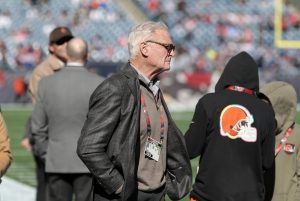
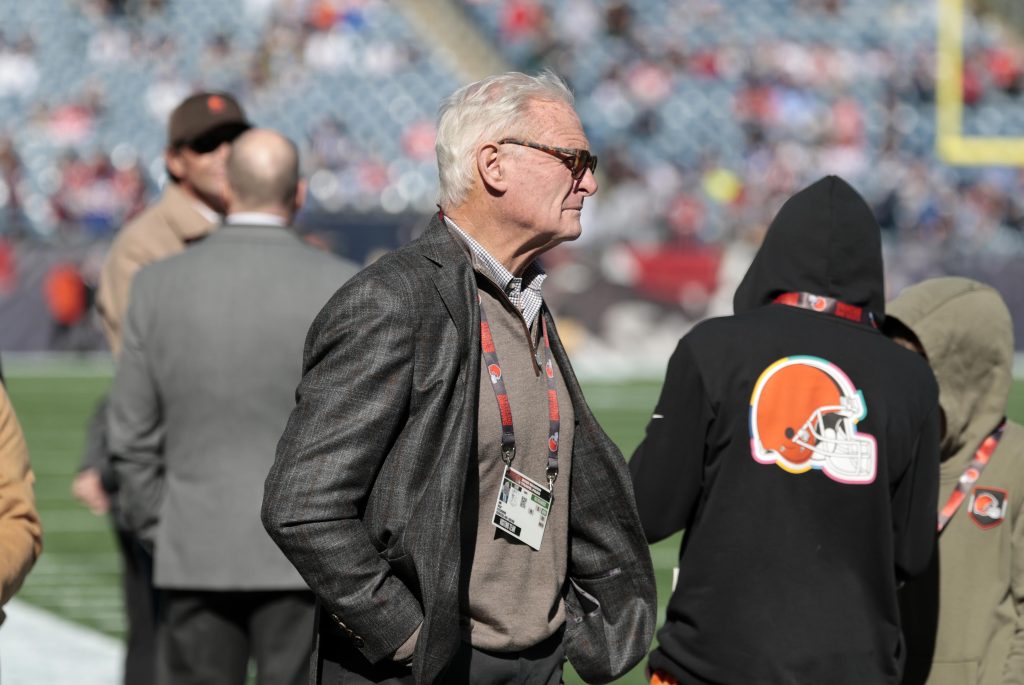
That collapse reads like a warning for the NFL. Arctos’ announced plan to buy 3% of the Cleveland Browns, on top of its existing stakes in the Los Angeles Chargers and Buffalo Bills, shows how the same private equity logic is moving into professional sports. Small percentages can still mean a persistent, profit-focused voice in critical meetings, and once those firms have a seat at the table across multiple teams, incentives shift from local success to portfolio-level returns.
The league changed the rules in 2021 to allow private equity ownership up to 10% of a team, a move driven by rising franchise values and a thirst for liquidity among existing owners. That permission opened the door to opaque ownership structures; Arctos itself is tied to KKR & Co. Inc., and the decision-making no longer centers on a known individual or a committed local group. When an ownership bloc is diffuse and profit-driven, transparency and accountability suffer because there are always layers of managers and partners between fans and the people who actually control resources.
When one investor has stakes in multiple teams, especially within the same conference, questions about resource allocation become unavoidable. Decisions about stadium upgrades, community programs, and player investment could tilt toward the largest market in the investor’s portfolio rather than the city that needs it most. That dynamic means smaller markets like Cleveland or Buffalo could lose out to an investor’s preference for bigger returns in places like Los Angeles.
Private equity operates with a single priority: return on investment. That focus isn’t inherently evil, but it clashes with how fans and cities experience teams. A franchise is more than a balance sheet; it’s civic identity, local jobs, and community outreach. The problem is structural: the firm’s incentives are measured across an entire portfolio, so what’s best for one team might be sacrificed to boost aggregate value.
This is more than theoretical. Imagine three team owners asking for capital to renovate stadiums or improve parking and fan access; an investor balancing those asks across markets will naturally favor projects with the clearest path to monetization. Those are rarely the investments that deepen a club’s connection to its community or improve the on-field product in subtle but meaningful ways. Over time, that tilt can hollow out the local commitment that once made teams unique.
There’s also a slippery slope risk. Owners who like the easy liquidity might lobby to raise the allowed ownership cap, and what starts as minority stakes could grow into controlling positions across the league. We’ve seen similar consolidation in media and live events, where the concentration of power reduced competition and centered decisions in a few boardrooms. The danger is not an immediate collapse but a slow erosion of local accountability and competitive zeal.
Commissioner Roger Goodell’s priorities, which often emphasize maximizing current revenues, fit neatly with that private equity model. Cash now, leave complications for later, and the league’s overall value climbs—at least on paper. For fans who measure a team by playoff runs, community ties, and the feel of a home stadium, that calculus feels incomplete, and the warning signs are already visible.
If the Pyrex shutdown taught us anything, it’s that stewardship matters. When financial players treat communities as interchangeable assets rather than homes with histories, the losses are real and lasting. Arctos’ move into a third NFL team should register as more than a technicality; it’s a sign that the sport’s ownership landscape is changing in ways fans ought to notice. That canary in the coal mine is struggling for breath.