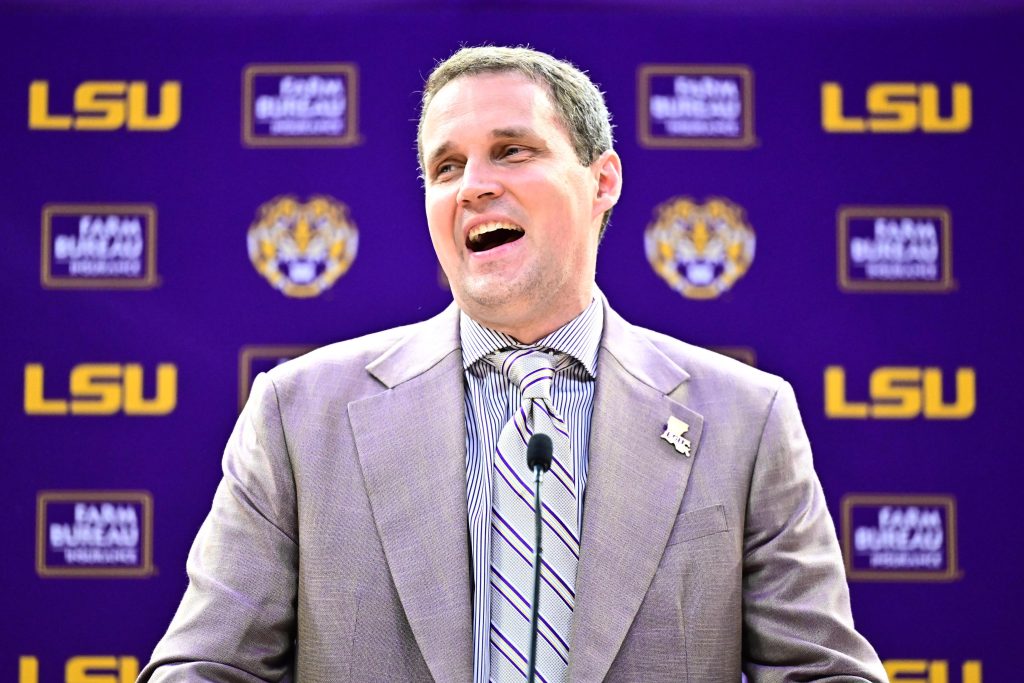
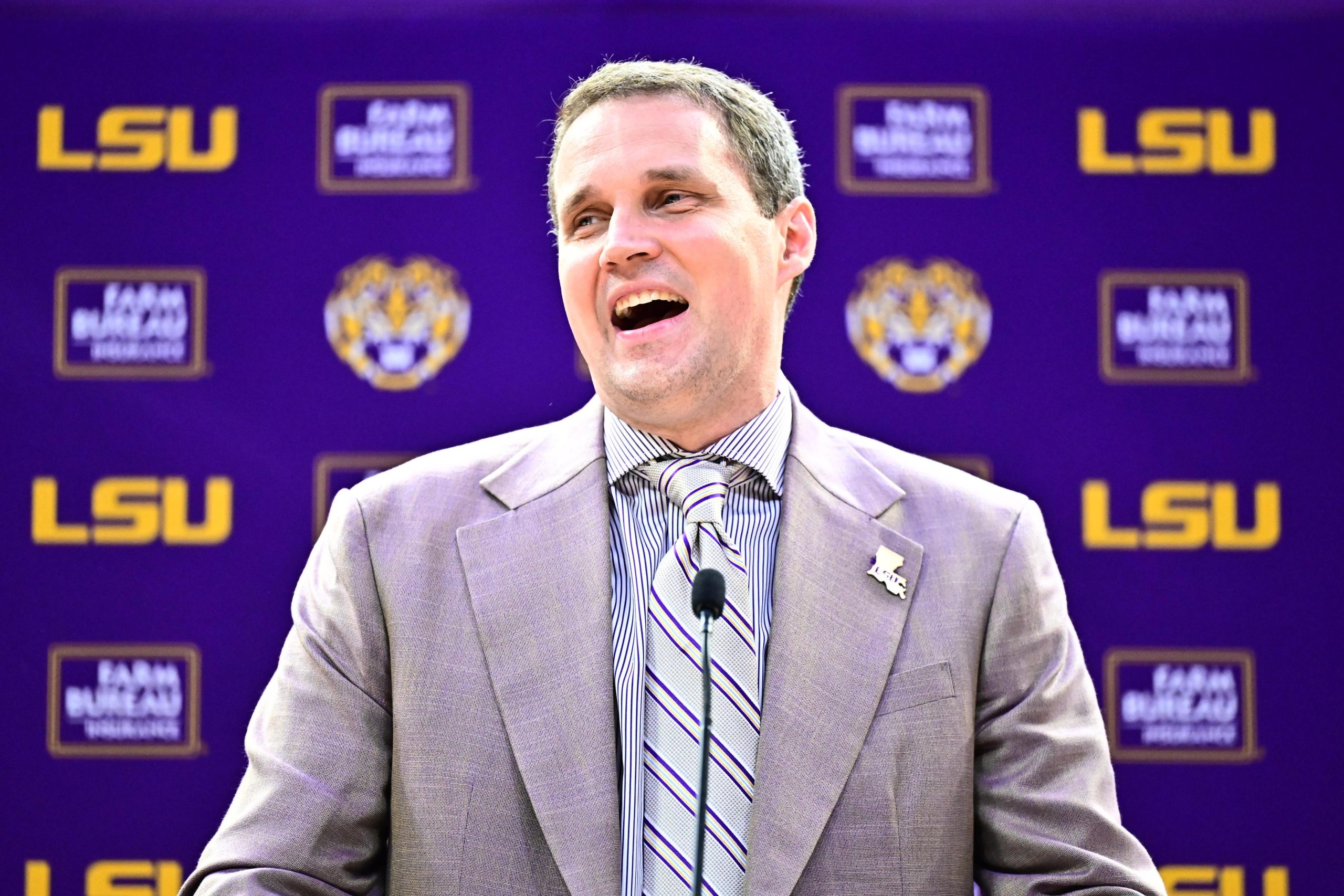
LSU coach Will Wade has stirred the pot in Baton Rouge by signing veteran pros Yam Madar and R.J. Luis as he scrambles to rebuild a Tigers roster that returned almost no production from last year. The moves, coming after Wade’s return from NC State, raise familiar eligibility questions in light of the Charles Bediako precedent and an NCAA statement from President Charlie Baker. From Marcio Santos to portal additions like Divine Ugochukwu, Abdi Bashir, Mo Dioubate and Austin Nunez, this is a program trying daring fixes fast.
The college eligibility map has blurred into something almost unrecognizable, with pro stints, G League contracts and two-way deals all colliding with old NCAA rules. Many players who would have been shut out a few years ago are now being courted and even given big guarantees, and that tension is the backdrop for what Wade is attempting in Baton Rouge. The questions aren’t just academic; they will decide whether these signings actually play for LSU next season.
On Monday, LSU announced the signing of Yam Madar, a 25-year-old Israeli guard and EuroLeague regular who was the 47th pick by Boston in the 2020 NBA Draft. Madar was a Rising Star in the EuroLeague in 2023 and logged solid numbers with Hapoel Tel Aviv, and his resume looks more like a seasoned pro than a college freshman. That pedigree is exactly what makes his move to LSU headline-grabbing and legally tricky at the same time.
Less than a day later, Will Wade added R.J. Luis, the 2024-25 Big East Player of the Year who had chased the NBA and gone undrafted. Luis spent time on a two-way contract and later in the G League, including with the Maine Celtics after being waived by Boston, which places his eligibility under the same harsh light that tripped up others. Those circumstances instantly invite comparisons to Charles Bediako’s brief return to Alabama after a pro run and the legal battles that followed.
In 2023, Bediako left school, played professionally on a two-way contract and returned to Alabama under a temporary restraining order before being denied further eligibility. About that case, NCAA President Charlie Baker said last December, “The NCAA has not and will not grant eligibility to any prospective or returning student-athletes who have signed an NBA contract (including a two-way contract).” That statement is the rulebook trench line Wade is now trying to dig behind, and it makes Luis’ path back to college basketball look narrow.
Wade’s pattern of pushing boundaries is hardly new; he’s been at the center of controversy since his coaching days before LSU. But the motive here feels practical as much as provocative—LSU needs roster help fast. The Tigers returned almost no production from a 15-17 team and have no freshmen from the 2026 recruiting class, so Wade’s portal work and overseas signings are less luxury than necessity.
So far this spring, LSU’s portal pickups list includes Divine Ugochukwu from Michigan State, Abdi Bashir from Kansas State, Mo Dioubate from Kentucky, and Austin Nunez from UTSA, a small class given the program’s needs and currently ranking around the middle of transfer-team lists. To supplement that modest haul, Wade has reached overseas and into the pro ranks, landing Marcio Santos from Israel and chasing Saliou Niang in Italy. That strategy acknowledges the shrinking pool of high-impact portal targets and shows why he’s turning to older, pro-experienced players.
Realistically, the Bediako precedent looms large. Bediako’s temporary orders and subsequent denials signaled the NCAA’s reluctance to let players with NBA contracts slip back into college rosters. Given that, Luis’ odds of being cleared look slim, while Madar’s EuroLeague background presents a slightly different legal texture but remains risky. Regardless of intentions, Wade is clearly testing how far the current rules will stretch before the NCAA clamps down.
From a program-building perspective, the gamble is obvious: sign several pros, hope a few clear, and cobble together a competitive SEC roster before the season tip-off. For critics, the moves smell like desperation and disrespect for the traditional college model. For Wade, who has navigated murky waters before and often come out ahead, it’s textbook opportunism—bold and unapologetic.