Fire danger in New Mexico is easing as lighter winds and a boost in humidity move across much of the state, and rain chances are returning to the eastern half. A backdoor cold front slipped through eastern New Mexico early Tuesday morning and brought cooler temperatures, calmer winds, and a touch more moisture. This piece walks through what to expect over the next few days, where storms will be most likely, and how the changing wind pattern will shift wildfire risk across the state.
The immediate headline is straightforward: fire risk will drop across broad swaths of New Mexico as winds relax and humidity climbs. In places that have baked under low humidity and gusty winds, even a modest rise in moisture can cut the odds of fast-moving wildfires. That does not mean the threat disappears entirely, especially in pockets that remain dry or where fuels are tinder-dry from long-term drought.
A backdoor cold front moved into eastern New Mexico early Tuesday, delivering measurable relief in that region. Temperatures cooled down and winds backed off, which helped raise relative humidity a few percentage points. Those subtle changes are enough to reduce fine-fuel drying and make outdoor fire starts less likely during the overnight and early morning hours.
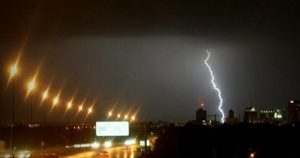
With the frontal influence in place, the eastern half of the state will see a higher chance of showers and thunderstorms over the next couple of days. Storms are most likely to develop where daytime heating meets available moisture, so eastern plains and adjacent foothills should be watched. As always with summer storms, brief heavy rain, gusty winds, and localized downpours are the main hazards, and those same storms can help tamp down fire activity if they produce measurable precipitation.
Breezy southwest winds had been a persistent factor across parts of New Mexico, fueling rapid drying and raising fire behavior concerns. Those winds have eased in many areas as the flow shifted behind the front, which is good news for crews and residents alike. Where southwest gusts linger, however, any dry thunderstorms or spot fires could still behave unpredictably, so ongoing vigilance remains important.
For people who live and work in New Mexico’s rural and wildland-urban interface zones, the changing weather is a chance to catch up on defensible-space work and to ensure equipment is safe to use. Even with improving fire danger, daytime activities that generate sparks should be minimized in the driest areas. Local fire departments and land managers will be watching humidity and wind trends closely, and they may issue targeted advisories if conditions change.
Urban and suburban residents can breathe easier but should not be complacent, especially if forecasts show a dry stretch returning after this brief lull. A string of dry, hot days when winds pick back up could quickly raise the threat level again. Keep emergency plans, supply lists, and evacuation routes in mind so you can move quickly if fire conditions deteriorate in your area.
Overall, the combination of higher humidity, calmer winds, and incoming storms will help lower the statewide fire danger for now, with the eastern half of New Mexico standing the best chance for rain. Forecasters will monitor whether pulses of moisture hold together or collapse into drier air, which will determine how long the improvement lasts. Stay tuned to local updates and treat any thunderstorm activity as a two-way street: it can bring welcome rain or spark localized hazards depending on lightning, wind, and fuel conditions.