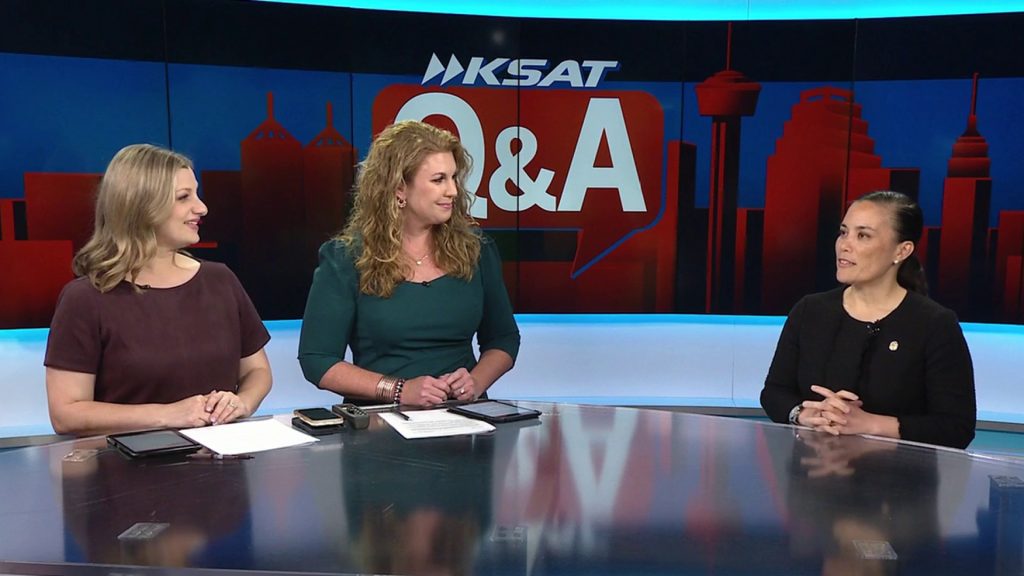
Mayor Gina Ortiz Jones appeared on KSAT’s 6 O’Clock News with anchors Myra Arthur and Courtney Friedman in San Antonio to talk about the city’s push to recoup money tied to a failed Major League Soccer bid, the widening budget gap the city faces, and a San Antonio Water System board decision on rate changes. Her comments touched on an agreement with Spurs Sports & Entertainment connected to Toyota Field, the specific dollar figures the city and county invested, and how those sums factor into decisions coming up for the city council and city manager. The conversation blended concrete repayment numbers with broader warnings about the city’s fiscal path through 2031.
Jones reminded viewers that both the city and county each contributed $9 million toward the MLS effort, and that a written agreement included a clause requiring $5 million to be returned if an MLS team was not secured within five years. That contractual obligation sits at the center of the repayment push, and it frames why city leaders are meeting with Spurs Sports & Entertainment now that the MLS bid has not materialized. The stakes are practical: recovering those dollars could blunt the need for budget cuts or new revenue measures.
The mayor said the city manager recently met with Spurs Sports & Entertainment to discuss roughly $2.1 million that she said is currently owed, and she indicated an additional $1 million is expected this year as part of the same arrangement. “I think it’s not a surprise that we would try to go get all the resources that we possibly can so we can minimize any cuts,” Jones said, which signals the administration’s priority to pursue reimbursements before turning to other options. That push to reclaim funds is being presented as a direct way to protect core services and limit harm to residents.
At the same time Jones used blunt language about the city’s books, saying the city is “structurally imbalanced,” spending more than it brings in and facing a growing multi-year shortfall. She warned that the five-year budget gap has jumped from $224 million last year to roughly $260 million projected through 2031, a gap that forces difficult choices about spending and revenue. Those numbers give context to why repayment from private partners, tighter spending controls, and revenue proposals are all on the table for city leaders.
Property tax increases are among the options being discussed to close that projected deficit, a move that carries political and economic consequences for families and businesses across San Antonio. From a conservative perspective, the default should be recovering public dollars and trimming nonessential spending before asking homeowners to shoulder higher levies, and the mayor’s emphasis on reimbursement reflects that hierarchy of priorities. Voters will watch closely as councilmembers weigh whether to prioritize repayment negotiations, administrative cuts, or new taxes.
Beyond the MLS repayment conversation, Jones addressed water utility business when she noted that San Antonio Water System board members approved a potential gradual rate increase over the next three years, a decision that could affect household budgets and commercial customers alike. Rate adjustments at SAWS are being presented as incremental and predictable, but they add to the broader financial pressures facing residents already confronting local budget debates. The combination of utility changes and city fiscal strain is shaping a tight policy window for municipal leaders.
The KSAT interview with Myra Arthur and Courtney Friedman framed repayment from Spurs Sports & Entertainment, the city’s fiscal imbalance, and utility rate choices as interconnected issues that will define San Antonio’s financial decisions in the near term. Local officials now have to balance contractual enforcement, the optics of asking for more tax revenue, and the practical need to stabilize budgets through 2031. Watch the full interview in the video player above.