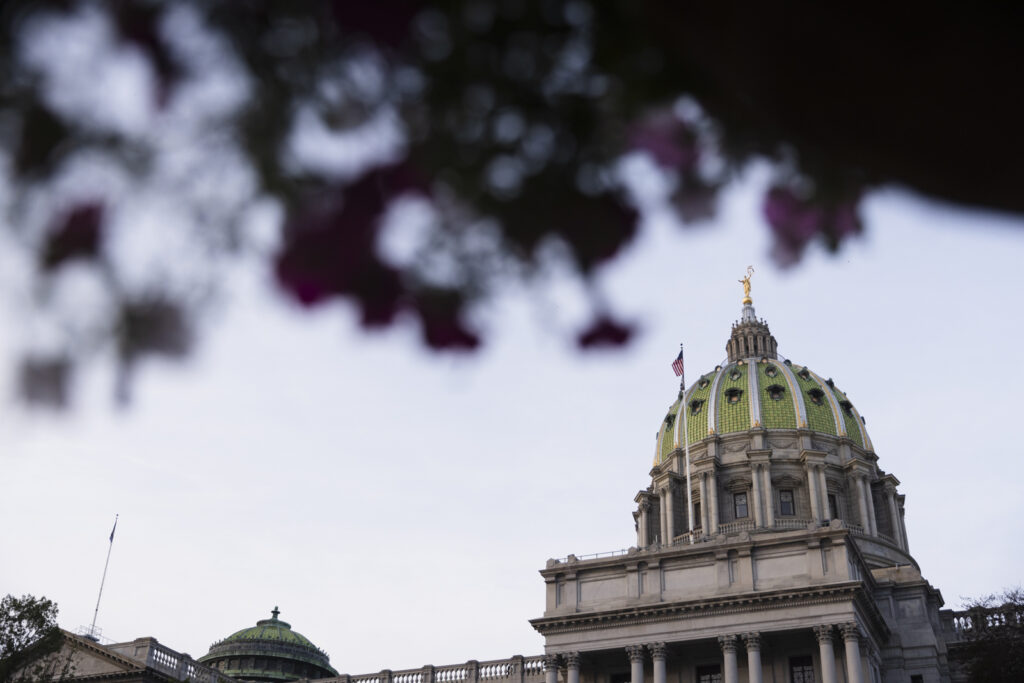
HARRISBURG — The Independent Fiscal Office now projects a $5.7 billion shortfall for Pennsylvania’s 2026-27 budget, and Gov. Josh Shapiro plus the state’s 253 lawmakers have 46 days until the deadline to act. This article walks through what that gap means for state services, what political fights will look like in Harrisburg, and what a fiscally responsible Republican approach would prioritize to protect taxpayers and core services.
Pennsylvania faces a stark math problem: projected revenues aren’t keeping pace with promises. The Independent Fiscal Office’s $5.7 billion estimate is a blunt signal that current spending plans and revenue assumptions won’t hold, and it comes as officials plan out the next fiscal year. With the budget countdown ticking, a lot of tough choices are now public, not theoretical.
From a Republican standpoint, the first response should be restraint. That means stabilizing the general fund, prioritizing core services like public safety and basic education, and delaying or cutting nonessential spending. Tax hikes should be off the table; increasing the burden on families and small businesses during uncertain economic times solves nothing and risks driving more revenue away.
Lawmakers in both chambers will get pressure from interest groups to protect programs and expand new initiatives, but every add pushes the gap wider. The reality is that without immediate discipline, the state will be forced into deeper cuts down the road or will use one-time maneuvers that merely kick the problem into future budgets. Pennsylvanians deserve straight answers, not accounting tricks that hide the structural imbalance.
One practical lever is to audit and pause new expenditures that lack sunset clauses or clear performance metrics. Republicans often push for performance-based funding and sunset reviews precisely because they force an appraisal of whether programs deliver value. Those tools help lawmakers trim waste without gutting proven services, and they protect taxpayers from permanent spending increases that compound deficits.
Another area for reform is pension and long-term liability management. Pension obligations are a recurring drag on state budgets, and any credible plan to restore fiscal health needs to include realistic assumptions, transparent reporting, and responsible contribution policies. Addressing long-term liabilities is not flashy, but it’s the kind of steady work that prevents future budget shocks.
Emergency reserves and rainy day funds matter, but they are a bridge, not a solution. Using reserves to soften immediate impacts can make sense to avoid sudden disruption, yet relying on one-time balances repeatedly will leave the next governor and General Assembly worse off. The goal must be a sustainable baseline budget achieved through disciplined spending decisions and prioritized investments.
The political fight in Harrisburg will be intense because choices now determine who keeps funding and who doesn’t. Republicans should argue for transparency, timely fiscal updates, and a plan that protects essential services while rejecting tax increases. That posture isn’t just partisan theater; it’s a case for fiscal responsibility that rewards efficient government and respects taxpayers who already face rising costs.
Expect sharp hearings, lots of press releases, and last-minute bargaining as the deadline approaches. The outcome will hinge on whether lawmakers can set aside short-term political wins and tackle the underlying imbalance. For taxpayers watching from across Pennsylvania, the hope should be that Harrisburg chooses tough discipline over convenient fixes.