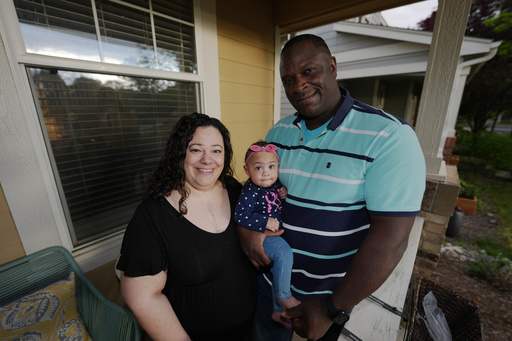
In New York, welder Marlon White watched his daughter Olivia arrive at 29 weeks weighing about 2 pounds while his wife fainted in the delivery room; Olivia was rushed into the neonatal intensive care unit and doctors worked to stabilize both mother and child as White waited in the hall. The next day, Marlon returned to work, juggling the shock of a premature birth, the grind of his job, and the uncertain road Olivia faced in the NICU.
When labor sped up and the baby came early, the family’s world narrowed to one small room in the hospital and to the steady hum of machines in the NICU. Olivia’s first breaths were delicate and monitored closely, and those urgent first minutes set the tone for what comes next: a long stretch of watching, waiting, and learning how to be present in two very different places. For parents like Marlon, the emotional weight is immediate and constant.
Back on the job at the welding shop, Marlon carried two sets of priorities between his palms: the work he must do to pay the bills and the baby he hopes to hold again soon. Welding is physical and often unforgiving work, but it also pays the rent and buys time in the hospital waiting room. That tightrope between livelihood and family becomes sharper when every shift can mean missed calls from the NICU and more distance from the tiny life at the center of everything.
Hospitals try to be both efficient and compassionate, but the reality of NICU life is a blur of monitors, schedules, and rules that can feel cold to a family in crisis. Nurses become translators of medical speak, and the machines are both saviors and constant reminders of fragility. For parents used to hands-on care, the restriction of not being able to carry or soothe their newborn at will strains every instinct.
Financial pressure is part of the story too. Even with insurance, extended hospital stays, parking, missed work, and special supplies add up fast. Families without a strong safety net scramble to cover basics while spending long hours at the bedside. That strain can reshape relationships, career choices, and decisions about who can stay and who has to keep earning money back home.
Support systems matter more than people expect. Friends, coworkers, and extended family sometimes step in with meals, rides, or shifts at the shop so a parent can sit with a newborn. Community donors and small local nonprofits can also make a difference, offering gas cards or help with childcare for siblings. Those acts of help don’t erase the worry, but they buy breathing room and remind parents they’re not alone.
The NICU itself is its own community, full of other families navigating the same unknowns and staff who have seen countless fragile starts become healthy stories. Doctors and neonatal specialists build treatment plans that can change section by section, day by day. For parents, each update is a mix of hope and caution, as milestones like breathing without support or gaining ounces are celebrated like major wins.
As Olivia grows stronger, the small wins are huge: a feeding taken by sip, a tiny hand that grips a finger, a weight tick upward on the chart. Those tiny improvements shift the atmosphere from frantic to steady, though the path home often still requires careful timing and follow-up care. Every baby’s progression is unique, and that gradual progress becomes the family’s new normal.
For Marlon and his wife, the days ahead will be about balancing recovery, visits, and work while building a safe home for Olivia once she’s ready. There is no easy script for a premature birth, but a mix of medical care, practical help, and community support gives families the framework to move forward. In the meantime, every step Olivia takes in the NICU matters more than any schedule or job shift.