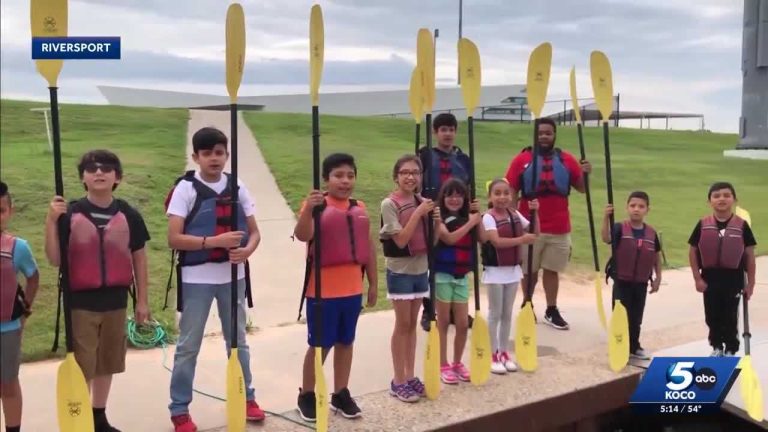
Summer camps across the Oklahoma City metro are gearing up for a packed season, with options ranging from tree-top ziplines to robotics labs and whitewater rafting trips. Families in Oklahoma City and surrounding suburbs are already feeling the crunch as many programs report rapid enrollment and shrinking availability. This article looks at what camps are offering, why spots are disappearing, and what parents should watch for as they plan summer schedules.
Outdoor adventure programs are a major draw right now, promising hands-on experiences like ziplines, ropes courses and guided nature hikes that appeal to kids who want to burn energy and try something bold. Providers emphasize skill-building and confidence, not just thrills, which attracts parents eager for active, supervised days. Those kinds of camps often have limited group sizes for safety, which helps explain why they fill up sooner than advertised.
STEM-focused camps are equally popular, with robotics, coding and engineering sessions selling out quickly as schools push more science and tech into early education. Organizers often split campers by age and skill to keep projects challenging and achievable, so capacity is naturally capped. Parents say the blend of learning and teamwork makes these sessions feel like a summer investment rather than just childcare.
Arts and specialty camps — theater, visual art, music and culinary programs — keep a steady stream of interest from families who want creative outlets for kids. Those camps can run shorter sessions or intensives that are easier for busy schedules, but the best instructors and small ensembles are snapped up early. When a camp touts a low student-to-teacher ratio, expect demand to spike and space to vanish fast.
Day camps and overnight camps serve different needs and both are moving quickly on calendars. Day programs offer routine and neighborhood convenience for working parents, while overnight camps aim at immersion and social growth over several days or weeks. Both models face the same pressure: more families looking for purposeful summer options than there are slots available.
Cost and affordability factor heavily into choices parents make, and prices can vary widely depending on the activities, staff credentials and location. Many camps offer sibling discounts, early-bird pricing or sliding-scale assistance, but those perks are limited and often tied to deadlines. Financial aid options deserve a call early in the process, because funds and discounted spots are among the first things to disappear.
Health and safety remain top concerns for families, and camps know it. Expect to see detailed policies on staff training, first-aid certification, background checks and emergency plans, especially for programs that take kids off-site for rafting or climbing. Camps that communicate clearly about safety measures tend to inspire more confidence and fill faster as a result.
Staffing is a practical challenge for organizers this year, with many camps competing for qualified instructors and counselors at the same time. That can mean innovative scheduling and partnerships with local schools or universities to find talent, but it can also lead to earlier cutoffs on registration. When counselors are in short supply, programs prioritize smaller, more manageable groups to keep standards high.
Special-needs and inclusion-friendly camps are expanding, offering tailored support and adapted activities so more families can participate. These programs often require specialized staff and equipment, which limits how many campers they can accept. Families who need extra accommodations should reach out well ahead of time to secure proper placement and to review individualized plans.
Location matters: camps close to home win on convenience, while those a little farther out can offer unique facilities, like rivers, climbing walls or robotics labs, that neighborhood programs cannot. For parents balancing commutes, the choice often comes down to trade-offs between travel time and the kinds of experiences they want their children to have. That decision is a big reason some popular suburban and city camps book up faster than others.
Registration strategies make a difference: set alerts for enrollment windows, have relevant paperwork ready and consider flexible session dates if your top choice is full. Many camps keep waitlists that actually move, so signing up for a waitlist is often worth the time. Keep contact info handy and respond quickly if a spot opens; camps typically move fast when they contact families from the waiting list.
Employers and community groups are noticing the ripple effects as camps ramp up operations, creating seasonal jobs for teens and young adults and filling gaps in local childcare. That connection benefits families and the economy, and it often leads to more program variety as demand grows. Still, the pressure to book early is real, and parents who delay risk missing the best fits for their kids.
Whether your child wants the thrill of a zipline, the focus of a robotics challenge or the teamwork of a rafting trip, the Oklahoma City metro has options — but many of them won’t hang around. If securing a spot matters, act early, prioritize safety and communicate openly with camp staff about needs and expectations. The season is shaping up to be busy, and a little planning now goes a long way toward an unforgettable summer.