In San Diego, a mosque community is grappling with the shock of a deadly shooting that left a security guard and two worshippers dead, and that guard is being remembered as a hero by those who were there. The piece looks at the scene, how people inside reacted, the mosque leadership’s response, the ongoing investigation, and how neighbors and city institutions are responding in the days after the violence.
The attack unfolded inside a San Diego mosque during a time of worship, and it left congregants stunned and grieving. Eyewitnesses described a chaotic rush for safety as people tried to protect one another. Authorities later confirmed three fatalities, including the security guard who had been on duty.
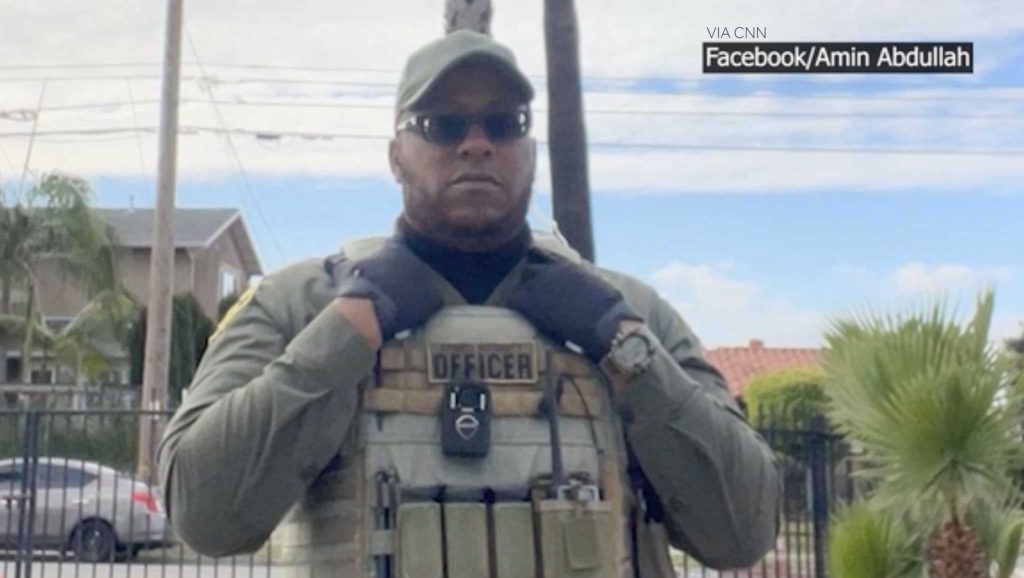
Members of the congregation are calling the guard a hero for the role they say he played in those frantic moments. People at the mosque describe him as someone who took steps to keep others out of harm’s way. Those memories are shaping how the community will honor him in the weeks to come.
Inside the mosque, worshippers are trying to process what they saw and felt, leaning on each other for comfort. Longtime attendees say the ritual space is usually one of calm, and the sudden violence has left a deep emotional wound. Friends and fellow worshippers have started sharing stories of the guard’s quiet presence and steadying influence.
Mosque leaders have been working to provide immediate support, arranging extra prayer sessions and private moments for grieving families. They are balancing the need for pastoral care with the practical realities of coordinating with law enforcement. The leadership is also urging members to remain peaceful and to avoid inflaming tensions in the wider community.
Law enforcement officials are conducting a thorough investigation into the shooting, collecting witness accounts and reviewing any available footage from the scene. Investigators say they will focus on motive and timeline while encouraging anyone with information to come forward. The pace of the inquiry means many basic questions remain unanswered for now.
City officials and neighboring faith groups have begun signaling solidarity with the mosque and its members, offering resources and public messages of support. Local leaders emphasize that violence against places of worship threatens the entire community. That solidarity has translated into offers of counseling, security consultations, and space for community gatherings.
In the days after the shooting, informal memorials have appeared near the mosque, with candles, handwritten notes, and flowers left by neighbors. These small gestures reflect a common desire to mark the loss and to show compassion to the families affected. Organizers are also planning quieter, faith-centered remembrances that prioritize the needs of the bereaved.
Family and friends of the deceased are receiving an outpouring of support, and volunteers from across San Diego are coordinating to help with practical needs. Local faith leaders note that immediate material assistance often matters as much as words in the aftermath of sudden loss. Those efforts are intended to give the grieving space to breathe while longer-term arrangements are made.
The shooting has also renewed conversations about security at religious sites, with mosque officials saying they will review procedures and look for ways to improve safety without changing the welcoming atmosphere. Community members are weighing how to balance openness with precautions, and those discussions are being handled sensitively. Law enforcement has offered to assist with best practices and training where appropriate.
Amid the grief, many in San Diego are focusing on acts of compassion as the most powerful response available right now. Volunteers who arrive to help often emphasize solidarity over spectacle, aiming to reinforce ties that violence seeks to fray. That quiet, determined care is how many are choosing to remember the guard and the worshippers who died.
The mosque community is planning services and private remembrances in the coming days that will honor the lives lost and support those left behind. Organizers ask for privacy for the families and space for mourners to grieve in their own way. As investigations continue, the city watches and offers resources intended to help the community heal and hold onto its resilience.