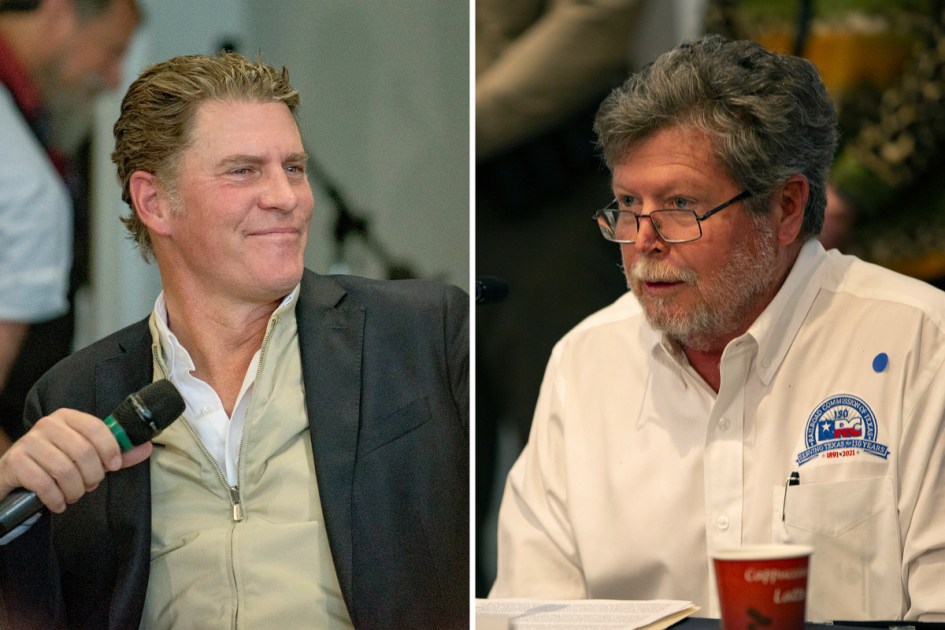
The GOP runoff for Texas Railroad Commission pits Jim Wright against Bo French in a race that has turned into a cash spectacle, with billionaires, big oil companies and trade groups pouring money into both campaigns across Texas. Voters from Houston to Amarillo are watching an office that controls energy rules and pipeline permits become the center of a largesse battle. This article breaks down how the money flows, why it matters to Texans, and what the flood of outside cash says about the stakes in Austin and beyond.
The Texas Railroad Commission might sound obscure, but it handles the practical levers that keep Texas energy humming. That makes it a magnet for donors who want decisions made in favor of production, property rights and a regulatory environment that supports jobs. On the Republican side, Jim Wright and Bo French are both selling visions of steady, pro-energy stewardship, and the checks keep rolling in to bankroll those messages.
Big oil and trade groups see this race as a defensive investment, not a charity case. They are writing large checks because a single commissioner’s vote can speed permits, shape inspection priorities and influence the rules that impact drilling and pipelines. For Republican voters who care about energy security and economic growth, that is exactly why the office matters and why private investment is so intense.
Billionaires around the state and nation have also stepped into the mix, backing ads, mailers and ground operations that amplify each candidate’s strengths. That kind of money can tilt the balance in a runoff where name recognition and turnout decide the winner. For activists on the right, the solution is clear: know where the candidates stand on real-world issues and make your voice heard at the ballot box.
Jim Wright and Bo French each touted credentials that resonate with GOP voters — experience with energy issues, promises to cut red tape, and pledges to defend Texas independence when federal bureaucrats overreach. The cash from industry is noisy, but the decisions on the record are what matter when they’re sworn in. Voters should look beyond the ad buys and inspect how each candidate would handle concrete policy: permitting, pipeline access, and the ability to protect private mineral rights.
This runoff exposes a tension within modern Republican politics: embrace the support of industry that fuels jobs and state revenue, or worry that outsized donor influence undermines grassroots control. The practical answer for many Texans is straightforward — keep an officeholder who understands the energy economy and will fight federal intrusions. That view explains why trade groups and companies are so comfortable opening their wallets for a candidate who promises competence and a favorable business climate.
Campaign cash changes the conversation, but it does not write the ballot. Ultimately, turnout and clarity on the issues will decide whether Jim Wright or Bo French takes the seat. Republicans in the state often prefer candidates who combine pro-industry instincts with accountability, and that combination is what both campaigns claim to offer. Voters should demand specifics on how the winner will protect landowners, speed sensible permits, and keep Texas energy independent.
Beyond the immediate race, the flood of money into the Railroad Commission runoff sends a message: control of energy policy has become a frontline for conservatives who want to preserve American energy dominance. That’s a winning argument in Texas, where drilling and pipelines are not abstractions but livelihoods. The runoff is a reminder that even state regulatory posts can tilt the playing field for decades, which is why the checks keep coming and why the voters’ choice will matter long after the posturing ends.