Our podcast digs into declining public school enrollment and the wider fallout from the federal immigration crackdown, tracing how decisions coming out of Washington ripple into classrooms across the country.
Across districts large and small, enrollment numbers are slipping in ways district leaders now describe as sudden and serious. Fewer students mean fewer state and federal dollars tied to headcount, and that loss shows up fast in program cuts, consolidated classes, and hiring freezes. Principals who expected steady growth are having to rethink budgets midyear, and that uncertainty hurts planning for teachers and parents alike.
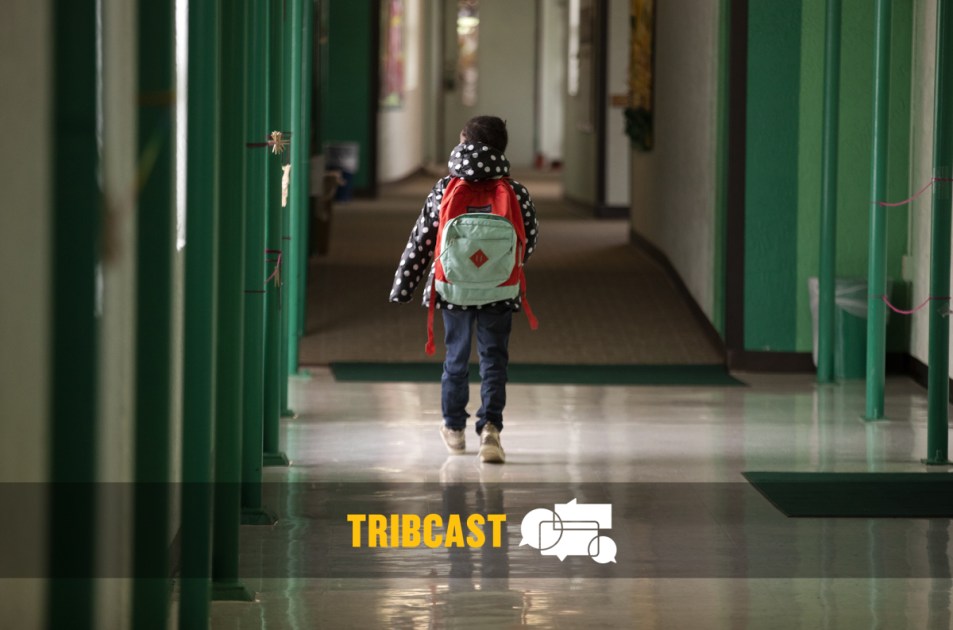
The pattern isn’t random. In many communities, families directly affected by increased immigration enforcement are choosing to move, withdraw children, or keep them home out of fear. That dynamic is especially visible in neighborhoods with high shares of immigrant families, where attendance drops and bilingual programs see enrollment shifts. When kids disappear from rosters, the classroom ecosystem changes — fewer aides, less funding for English learner services, and a ripple effect on extracurriculars.
School finance systems are unforgiving. Funding formulas tied to average daily attendance amplify the pain of a falling student body, forcing superintendents to trim offerings that are vital to students’ development. Music, art, and elective classes are often the first on the chopping block because they seem nonessential on paper, but those are the programs that make school engaging. Cutting them hurts retention and morale, creating a downward spiral that hits all students, not just those from immigrant households.
Rural and suburban districts feel this pressure differently than big-city systems. Small districts operate with tight margins; losing a handful of students can mean losing a teacher position or closing a grade level. In cities, the sheer size can mask localized drops, but neighborhoods can still experience dramatic change, straining support systems for recent arrivals and long-time residents alike. Policymakers need to see both pictures to craft sensible responses.
Teachers report sharp challenges in the classroom when enrollment shifts suddenly. Mixed-age classes, larger caseloads for bilingual educators, and changing curriculum demands stretch teachers thin. When school staff are forced to do more with less, student outcomes suffer — not because of the children, but because the system can’t adapt quickly enough to new pressures. That puts districts in a bind: protect core academic services and let enrichment go, or try to preserve breadth and risk spreading resources too thin.
From a Republican perspective, many of the consequences trace back to a simple policy failure: porous borders and mixed signals from federal leadership. Enforcing existing laws and managing legal channels for immigration would reduce the fear and chaotic movement that destabilize communities. At the same time, lawmakers should support local schools with transitional funds when major demographic shifts occur so classrooms aren’t left scrambling while politicians argue.
There are practical steps that can help right now. Emergency stabilization grants tied to sudden drops in enrollment would buy districts time to adjust, and clearer federal communication around enforcement activity could prevent panic-driven departures. School boards should strengthen outreach to immigrant families, reinforcing that schools are safe places for children and that education is a bridge to opportunity, while conservative policymakers push for orderly, lawful migration policies that protect local communities.
Beyond policy fixes, the human cost matters. When families feel forced to relocate or hide, children lose continuity — new teachers, disrupted friendships, and gaps in learning show up in test scores and social behavior. Schools are not just funding lines; they are centers of community. Investing in stability and clarity from the top down lets educators focus on teaching instead of damage control.
Our podcast explores these intersections: how federal decisions in Washington play out in school halls from coastal metros to heartland towns, and what practical, commonsense measures can ease the disruption. The conversation foregrounds the classroom impacts, the budget realities, and policy moves that respect the rule of law while protecting children’s right to learn.