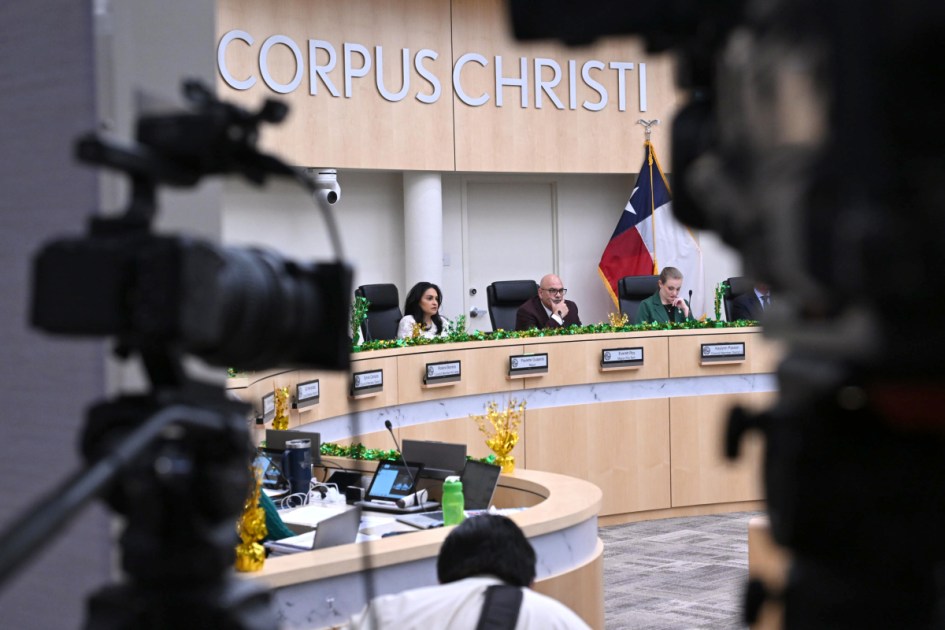
New data shows that, without additional rain, a coastal city will likely put mandatory water restrictions in place around December; residents and businesses are being warned to prepare as reservoir and groundwater levels trend downward.
The projection comes from recent supply and demand modeling that factors in current storage, seasonal forecasts, and long-term trends. City water managers say the gap between available supply and expected need is closing fast because inflows this year have been weak. Officials are framing the December timeline as a trigger point, not a fixed deadline, depending on whether meaningful precipitation arrives.
Mandatory restrictions would cut beyond voluntary conservation and target nonessential outdoor uses first, like hosing down driveways and routine lawn watering. Expect specific limits on when and how often lawns and gardens can be irrigated, plus curbs on filling new pools and some commercial watering activities. The aim is to reduce peak summertime demand that strains the system when supplies are already low.
Households will feel this in practical ways: shorter showers, fewer opportunities to top off ornamental ponds, and stricter rules on vehicle washing outside of commercial facilities. Small businesses that rely on water for landscaping, hospitality or certain services may need to adapt schedules and budgets to comply. City enforcement is likely to start with warnings and education, then move to fines or mandatory cutbacks if use stays high.
The underlying data blends short-term weather forecasts with longer-term hydrologic indicators, including reservoir levels and groundwater trends. Scientists and utility planners stress that a single wet storm won’t fix the problem; sustained recharge is necessary to restore storage to safe margins. With climate variability increasing the odds of dry spells, managers are treating this December estimate as a planning horizon to give the public time to change habits.
Conservation steps that actually move the needle are straightforward and immediate: repair leaks, swap to efficient fixtures, cut irrigation hours, and reuse water where allowed. Landscapers and property managers can replace high-water plants with drought-tolerant species or adjust irrigation controllers to reduce run times. Building owners should also check for irrigation system faults that can waste large volumes of water without anyone noticing.
On the supply side, the city is exploring options to blunt future shortages, including expanded recycled water projects and targeted investments in storage and conveyance. Those solutions take time and money, so officials are balancing near-term demand controls with long-term infrastructure planning. Rate structures that signal the true cost of water during scarcity are also under discussion to encourage conservation without punishing essential uses.
For people worried about costs, some assistance programs and rebates exist for efficiency upgrades and appliance replacements, and more may be added as the situation evolves. Neighborhood outreach, multilingual notices, and coordination with homeowners associations are part of the city’s communication plan to make sure rules are understood and fairly enforced. Businesses are being asked to draft contingency plans now so they aren’t scrambling if restrictions begin.
The possibility of mandatory controls by December represents a pivot point for the community: it’s a call to action rather than an inevitable calamity. If residents and institutions cut consumption now, the city might avoid the harshest measures; if usage stays high and dry conditions persist, restrictions will be unavoidable. Staying informed through the city’s official channels and preparing to adopt conservation practices will be the quickest way to lessen the impact.