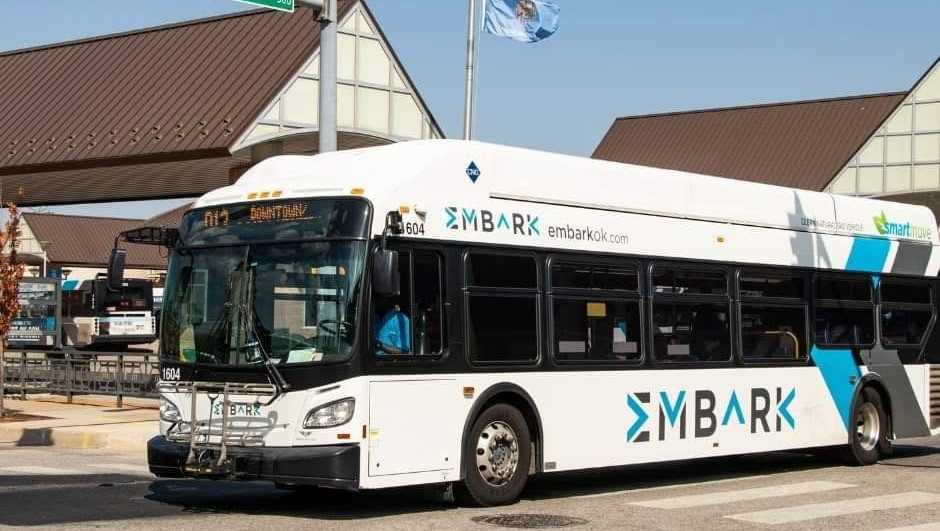
EMBARK is restarting an express bus service to shuttle fans to the Women’s College World Series in Oklahoma City, cutting through the worst of tournament congestion so people can focus on the games instead of parking. The move is meant to ease traffic around the softball venues and downtown neighborhoods while making arrival and departure simpler for locals and visitors. This article walks through how the service helps fans, what to expect riding it, and why transit matters when the city fills up for big events.
The express buses are timed for peak game windows so fans can arrive before the first pitch and leave quickly after the final out. Riders should expect buses to follow a straightforward path between major park-and-ride lots and the tournament area, keeping stops limited to speed things up. That focused routing helps avoid the local traffic snarls that can make a short trip drag on for an hour.
Using public transit for an event like the Women’s College World Series also trims the stress of finding a parking spot and paying event lot prices. For many people the math is simple: a short bus ride beats circling blocks and hoping for an open space. That benefit is particularly welcome for families, out-of-town visitors, and anyone who wants to start the postgame celebration sooner.
Beyond convenience, the express service is a practical way to reduce the carbon footprint of a weeklong tournament in Oklahoma City. Fewer cars on the road means less idling and lower emissions during peak travel times, which is good news for neighborhoods near the venues. It also frees up curb and lot space for people who need it most, like VIPs, accessibility drop-offs, and team buses.
Expect the buses to operate on a clear schedule that organizers will share before tournament start, with extra runs when gates open and after games end. Riders should plan to arrive at park-and-ride locations a little early to avoid lines, since demand spikes with popular matchups. Having a printed or electronic schedule and knowing the pick-up point takes a lot of the guesswork out of game day travel.
Affordability is another selling point because express transit usually costs less than parking, rideshares, or taxi surges. For groups, the savings add up: a single bus fare for four people is typically cheaper than a single rideshare from downtown. That makes the express service an attractive option for fans who want a straightforward, budget-friendly route to the stadium area.
Accessibility is built into the plan so fans who use mobility devices or need assistance can still rely on the express buses. Modern transit fleets come equipped for riders with differing needs, and staff at major stops are often ready to help with boarding and directions. That reliability matters when game day is busy and time is tight.
For people unfamiliar with Oklahoma City transit, the express buses lower the barrier to trying public transportation at a major event. New riders get a controlled, predictable experience that can change how they travel for future events. Positive encounters with transit during a high-energy event like the Women’s College World Series can convert occasional riders into regular customers.
Local businesses around the tournament area also benefit when fans arrive by bus rather than sitting in traffic. When people can get off a bus and walk to restaurants, bars, and stores, the local economy sees direct payoffs. That foot traffic helps small businesses capture more of the spending generated by the tournament crowd.
Security and crowd control are easier to manage when arrivals are concentrated at a few transit stops instead of scattered across many parking lots. Event organizers can position staff and signage more effectively, creating smoother flows into and out of the venue area. That organization reduces strain on police and event personnel while improving overall safety.
To get the most out of the express service, fans should travel light and bring only essentials, since quick boarding keeps the buses on schedule. Paying fares in advance, using mobile payment options when available, and grouping up before boarding all speed the process. Small preparations save time and mean more energy for watching the games.
Riders should also watch communications from EMBARK and event organizers for any route tweaks or added runs during weather events or high-demand days. Being flexible helps when schedules need to shift to match crowd levels or road conditions. Those adjustments are a normal part of running transit for a large, short-term event like this.
For many locals and visitors, the express buses are a straight answer to a familiar tournament headache: too many people, too few spaces, and limited patience. The service is a reminder that sometimes the simplest solutions make a weekend better for everyone involved. If you plan to attend the Women’s College World Series in Oklahoma City, think about hopping the express bus and leaving the parking stress behind.