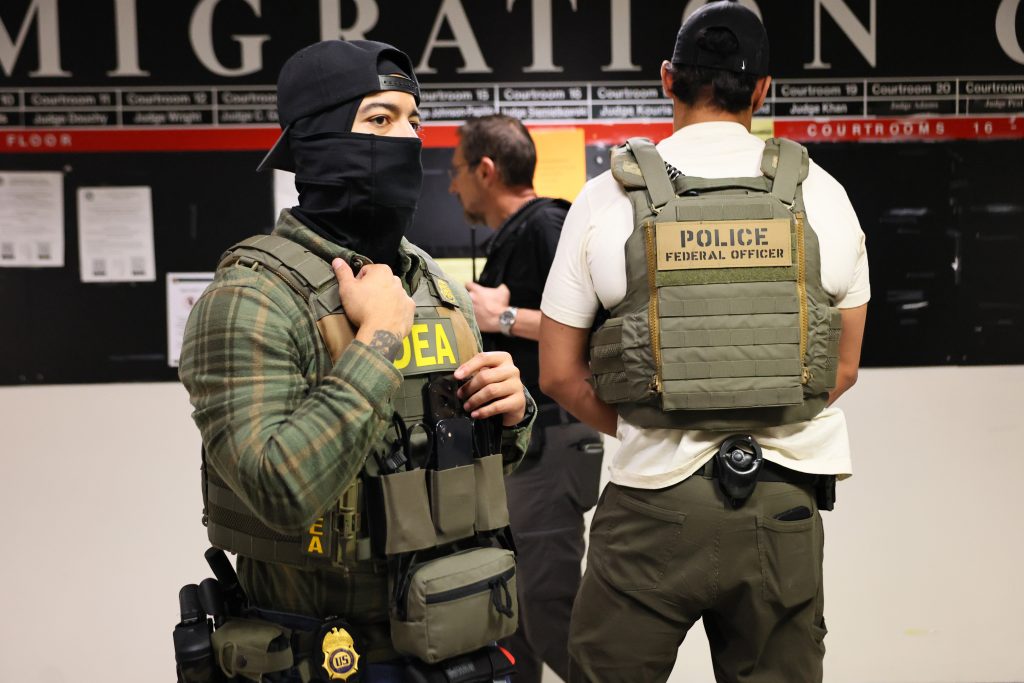
A federal judge in New York has ordered new limits on when federal agents can arrest people in and around three buildings where immigration proceedings take place, saying arrests should be reserved for truly exceptional circumstances. The ruling affects how agents operate near immigration courts and related facilities in New York City and could change how people move to and from hearings. The decision raises immediate questions for lawyers, advocates, and enforcement agencies about access, safety, and the practical realities of carrying out immigration law in public spaces.
The judge’s instruction is straightforward: avoid routine arrests in and around those buildings unless there is a clear, exceptional reason to do otherwise. That shifts the burden onto federal agents to justify actions taken near the courthouses and administrative offices where immigrants appear for hearings. It also creates a buffer meant to protect people from fear and disruption while they seek due process.
For immigrants and their lawyers, the ruling offers a measure of relief. Many immigrants have reported skipping or delaying hearings because they were worried about encountering agents on their way in or out of court. By curbing arrests in those immediate areas, the judge aims to ensure people are not deterred from attending proceedings that affect their status and future in the country.
Court watchers and civil liberties groups see this as a win for legal access and fairness. They argue that immigration hearings must be conducted in an environment where participants can show up without fearing sudden enforcement actions at the courthouse door. This decision echoes long-standing concerns that enforcement practices can interfere with the ability to obtain legal counsel or pursue claims for relief.
Federal and local enforcement officials, meanwhile, are wrestling with the operational implications. Agents say there are times when quick action is necessary for safety or to prevent flight, and they worry the ruling could limit their flexibility in dynamic situations. The judge’s language, however, appears to allow arrests in true emergencies, just not as a default practice near those specific buildings.
Practically speaking, the order could require changes to arrest protocols, briefing practices, and the way field agents document the reasons for arrests in sensitive areas. Supervisors may need to sign off more often, and agencies might increase coordination with court security to avoid conflicts. Those adjustments could slow some operations but are designed to balance enforcement with respect for legal proceedings taking place nearby.
Immigration attorneys say they already notice a chilling effect when enforcement is visible around courthouses. Clients who see agents outside a building may skip hearings out of fear, which can lead to deportation by default. The judge’s limit aims to reduce that chilling effect and help ensure people don’t lose their rights simply because they were too frightened to enter a courthouse.
The decision will likely be challenged or appealed by agencies that feel their authority has been unduly constrained. Any appeal could bring the matter to a higher court where the balance between enforcement prerogatives and access to justice will be examined further. Until then, agents operating in New York will have to navigate the new guidance and document why an arrest near those buildings is genuinely exceptional.
For the courts themselves, the ruling underscores the role of neutral venues in preserving access to justice. Judges depend on parties showing up, and immigration courts are already overburdened with cases and delays. Anything that makes attendance less daunting helps the system function more efficiently and ensures that cases are decided on their merits.
Community groups and legal service providers in New York are preparing outreach to explain the ruling to those who might be affected. Clear communication matters because people need to know when it is safe to attend hearings without fearing immediate enforcement action. The hope among advocates is that the order will translate into more consistent attendance and fewer defaults driven by fear of arrest.
The broader legal landscape will be watching how the ruling is implemented and whether other jurisdictions adopt similar protections around immigration proceedings. If replicated elsewhere, it could represent a significant shift in how federal immigration enforcement interacts with the judicial process. For now, New York’s approach will be a test case in balancing civil liberties with the practical needs of law enforcement.
What happens next depends on how federal agencies adjust their policies and how vigorously parties press any appeal. Lawyers, advocates, and court staff will monitor daily practice to see if the judge’s limits reduce fear without compromising legitimate safety concerns. The immediate effect is a legal adjustment that both protects access to hearings and forces enforcement to be more precise when acting near those three New York buildings.