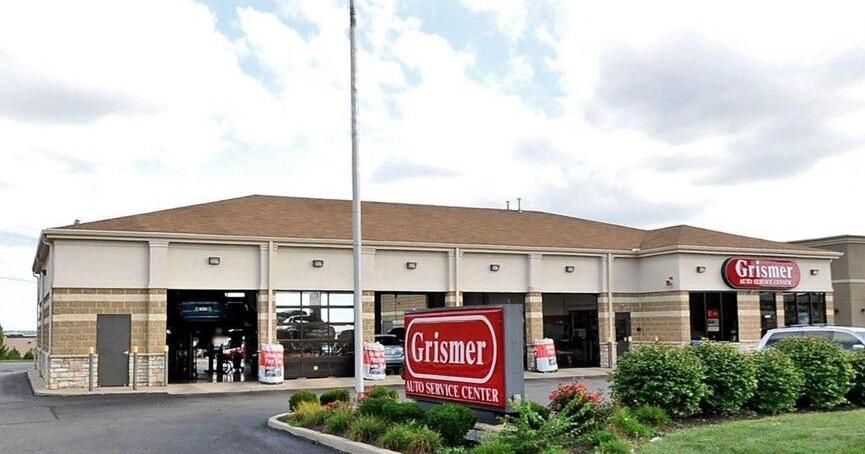
A Phoenix-based investor has closed on seven Dayton-area properties — a mix of auto repair garages and office condominiums — for just over $12 million, buying assets in Butler Township, Kettering, Moraine and nearby suburbs as part of a net-lease commercial real estate strategy that stretches across several industries in the region.
The deal stacks seven distinct parcels into a single acquisition that blends service-oriented real estate with small-scale office space, a combination investors like because it diversifies income streams while keeping management simple. Auto repair garages bring steady, local customer bases and long-term tenancy potential, while office condos appeal to small businesses seeking ownership-like stability without the headaches of standalone buildings. That mix is especially attractive in midwestern markets where steady traffic and modest rents can translate to reliable returns.
Net lease structures are central to the strategy here, shifting many operating responsibilities to tenants and giving the property owner predictable cash flow and lower hands-on obligations. For an investor based in Phoenix, locking in long-term, net-leased tenants across multiple Dayton suburbs helps spread risk and capture higher yield than many trophy markets. The investor’s approach leverages geography and tenant diversity rather than betting on a single market trend, which is a classic playbook for investors seeking steady income with limited operational drag.
Buying properties in Butler Township, Kettering, and Moraine tells you this wasn’t a single-parcel flip; it was targeted assembly in a metro area known for stable industrial and service economies. Those cities feed into the larger Dayton labor and transportation network, meaning properties tied to automotive services and small-business offices are near the people who use them. That proximity reduces vacancy risk, since local demand for car maintenance and flexible office space rarely dries up entirely, even when larger economic cycles wobble.
Transaction size matters: the more than $12 million price tag signals institutional-level capital rather than a mom-and-pop trade, and that changes how these assets get managed and marketed. Institutional buyers often standardize leases, centralize property management, and pursue portfolio-level maintenance and capex planning to squeeze efficiency from multiple buildings. Tenants usually see predictability in service and lease terms, while the owner benefits from economies of scale in maintenance, insurance, and financing.
From a community angle, these kinds of purchases can be a quiet win for local economies because they keep established businesses operating in place rather than rezoning land for speculative development. Auto repair shops often occupy highly visible, accessible corners and supply steady employment for skilled technicians, while office condos house small firms that buy local services and contribute to daytime commerce. When a single buyer consolidates several of these assets, it can stabilize tenant relationships and reduce turnover that disrupts neighborhoods and local supply chains.
That said, consolidation also puts control of multiple walk-up service locations into one owner’s hands, and that can change rent dynamics over time if the investor chooses to reposition properties or pursue rent escalations. Good outcomes typically depend on maintaining competitive lease terms and reasonable maintenance standards to retain long-term tenants, and savvy landlords will balance yield targets with community goodwill to avoid needless turnover. For local business owners, a new owner from out of state can be either a reliable landlord or a disruptive force depending on how they execute their management strategy.
For the Phoenix investor, this purchase is likely part of a broader push to build a cross-industry net-lease portfolio that can weather local economic swings and deliver steady returns to shareholders or limited partners. By targeting service-driven properties in the Dayton area, the investor taps into predictable cash flows, diversifies tenant risk, and positions the holdings for long-term appreciation without the volatility of speculative redevelopment. The real test will be how the new owner balances yield with tenant retention and whether these properties remain anchored by the kinds of local businesses that make suburban commercial corridors hum.