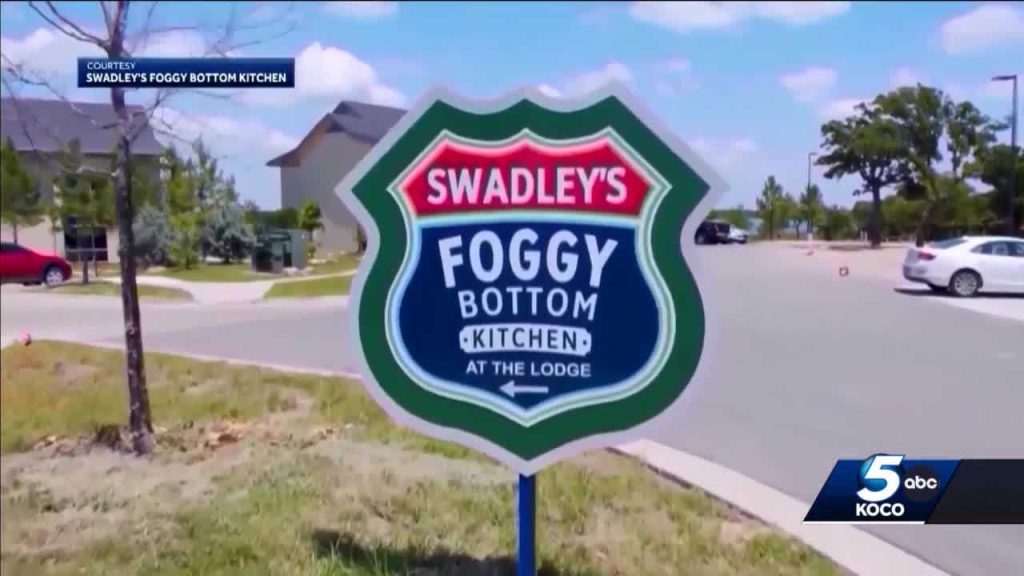
Brent Swadley is at the center of a legal showdown as jury selection kicks off in his criminal case, and the courtroom appearance has local observers and industry watchers paying attention. This article follows the opening stages of that process, the charges he faces, and what a trial could mean for Swadley’s restaurants and everyone tied to the brand.
Brent Swadley, owner of Swadley’s restaurants, appeared in court as jury selection began for his trial on charges of conspiracy to defraud the state. The moment was short and procedural, but it marked the official start of a legal process that could stretch for weeks. Dozens of potential jurors were screened as lawyers from both sides tested for bias and conflicts.
The charge—conspiracy to defraud the state—carries serious implications and puts the elements of intent and coordination under scrutiny. Prosecutors will try to show there was an agreement and purposeful action aimed at cheating the government. Defense attorneys, meanwhile, will push back on those elements and emphasize gaps or legitimate business explanations.
Jury selection itself is strategic theater; lawyers are not just asking about background, they are shaping a panel that can hear complicated financial testimony and remain neutral. Voir dire tends to reveal jurors’ instincts about business owners and regulatory oversight, and both sides tailor questions to expose those instincts. The right mix of jurors can tilt a close case, which is why this stage gets so much attention.
For Swadley’s restaurants, the trial is more than a headline — it’s a live test of reputation and resilience for employees and managers. Staff in multiple locations watch closely because a prolonged legal fight can affect customer trust and supplier relationships. Even before a verdict, the brand will need damage control and clear communication to steady operations.
From a defense angle, common themes include challenging the strength of evidence and the credibility of witnesses who may have benefited from cooperating with prosecutors. Lawyers could argue that complex bookkeeping or ordinary business decisions were misunderstood, not criminal. Emphasizing a lack of criminal intent is a frequent and often effective line of defense in conspiracy cases.
Prosecutors typically respond with a focus on patterns: emails, invoices, and witness testimony that suggest a coordinated plan to mislead or omit key information from state authorities. They want jurors to see a through-line connecting actions to a knowing effort to defraud. If they can produce clear, corroborated documentary evidence, their case gains momentum quickly.
The courtroom itself can be an intense stage, with expert witnesses parsing accounting entries and investigators explaining how they trace alleged schemes. Expect forensic accountants, compliance specialists, and perhaps former colleagues to give evidence that tries to turn abstract finance into concrete misdeeds. Jurors must then weigh those technical explanations against testimony that may contest interpretation.
Beyond the legal arguments, there are practical timelines and logistics to watch: how long jury selection takes, whether trials proceed on schedule, and how pretrial motions might narrow the dispute. Delays and appeals are common, so the initial hearings are just the start of a potential legal marathon. Observers should also keep an eye on any settlements or plea offers that could change the course of the case before a full trial verdict.
For now, the focus is squarely on the courtroom where jurors are being chosen and the first chapters of a complex case are unfolding. The process will reveal whether the prosecution can tie a narrative together and whether the defense can introduce enough doubt to prevent a conviction. Either way, the outcome will have consequences for Brent Swadley, his business, and those connected to the restaurant group.