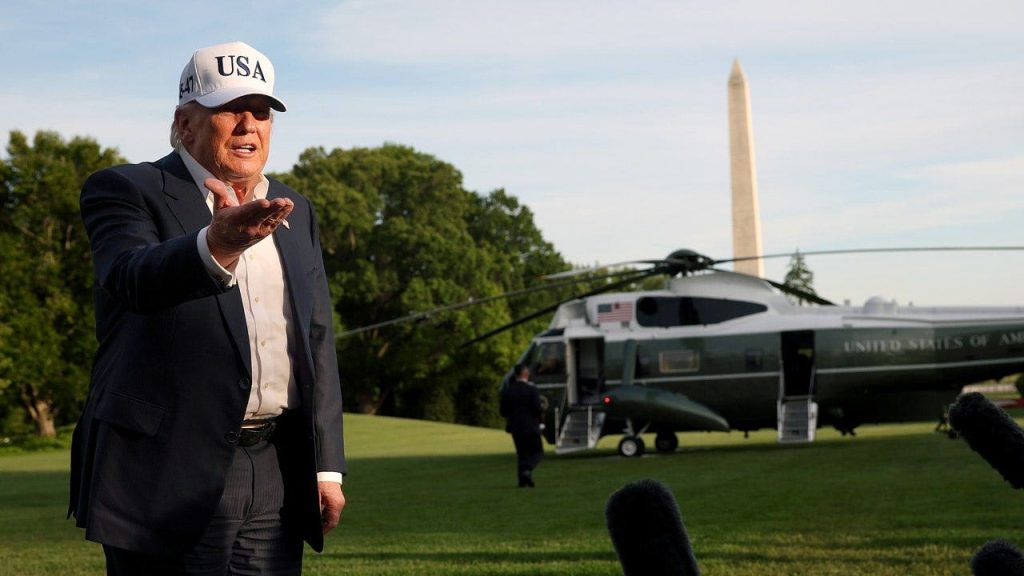
President Donald Trump is weighing a proposal to add a permanent helipad to the South Lawn of the White House in Washington, D.C., a plan that White House spokesman Davis Ingle defended as routine improvements for future occupants and visitors. The move would join a string of recent changes at the executive mansion, from new Rose Garden paving to the ongoing White House Ballroom work, and it has already attracted attention from preservationists and fans alike. The Wall Street Journal first reported the helipad idea, and it would be intended to protect the South Lawn from damage caused by modern presidential helicopters. Local landmarks like the Lincoln Memorial and the nearby Arlington Cemetery Metro stop figure into broader plans Mr. Trump has floated for the capital.
The White House released only a short line in response to questions, and that line is unmistakable: “President Trump has continued to make improvements at the White House and all around D.C. to benefit future presidents and Americans,” White House spokesman Davis Ingle told Fox News Digital when asked about the reported consideration on Monday morning. That quote captures the administration’s view that these projects are investments in the office and in the city. Supporters see practical upgrades, while critics worry about changes to historic fabric and public space.
One practical pitch behind the helipad is preservation. The newest Marine One helicopters have powerful downdrafts and heat that can tear up grass and compact soils, so a properly engineered pad would keep the lawn intact while providing a stable, secure landing spot for the president’s aircraft. From a logistics angle, a dedicated surface means less improvisation and fewer short-term fixes for the South Lawn every time the helicopter comes or goes.
Funding remains a gray area and a point of debate, since nobody has confirmed who would pick up the tab for construction and any related landscaping or security measures. Typically projects on federal property involve federal funding, private donations, or a mix of both, but the White House has not spelled out a plan. That uncertainty fuels the critics who worry about transparency and taxpayers footing expensive aesthetic or security bills without clear accounting.
This helipad idea arrives amid a string of visible changes at 1600 Pennsylvania Avenue, including the replacement of the West Wing Colonnade floor with polished black granite along what the administration calls the “Presidential Walk of Fame” and the addition of stone pavers to the Rose Garden lawn. Those moves have been framed as practical and ceremonial improvements intended to host press conferences and events more reliably. Supporters argue these are sensible mitigations against wear and tear as the presidency deals with modern media and security demands.
Not all alterations stop at the White House gate. Plans floated by the administration have included a proposed 250-foot triumphal arch near the Lincoln Memorial, to stand at a roundabout between Memorial Bridge and Memorial Avenue close to the Arlington Cemetery Metro stop. Big proposals like that underscore how the current team is thinking about reshaping certain parts of D.C.’s core for aesthetics, symbolism, and traffic flow. For backers, these are bold design choices that aim to restore grandeur; for opponents, they feel like an outsized reimagining of public monuments.
History shows the White House has always evolved: the first Oval Office was created in 1909 under President Taft, and the East Wing came during Franklin D. Roosevelt’s time. Presidential residences change with technology, security needs, and the tastes of those who live there, and that historical context is often cited by those who defend modifications. The argument is straightforward: what looks new and jarring now may settle into the fabric of Washington over decades the way previous interventions did.
Still, preservationists and some neighbors are raising alarms, pointing out that even practical changes can shift sightlines, public access, and the character of national monuments. The administration says safety and utility are top priorities, particularly after high-profile security incidents and the increased scale of events held near the presidency. Whether the helipad, the ballroom work, the new paving, or larger urban proposals win broad acceptance will depend on how transparent the process is and how clearly costs and benefits are communicated to the public.