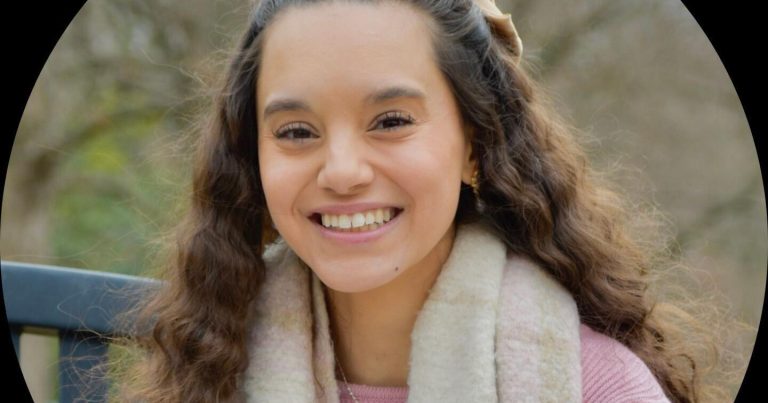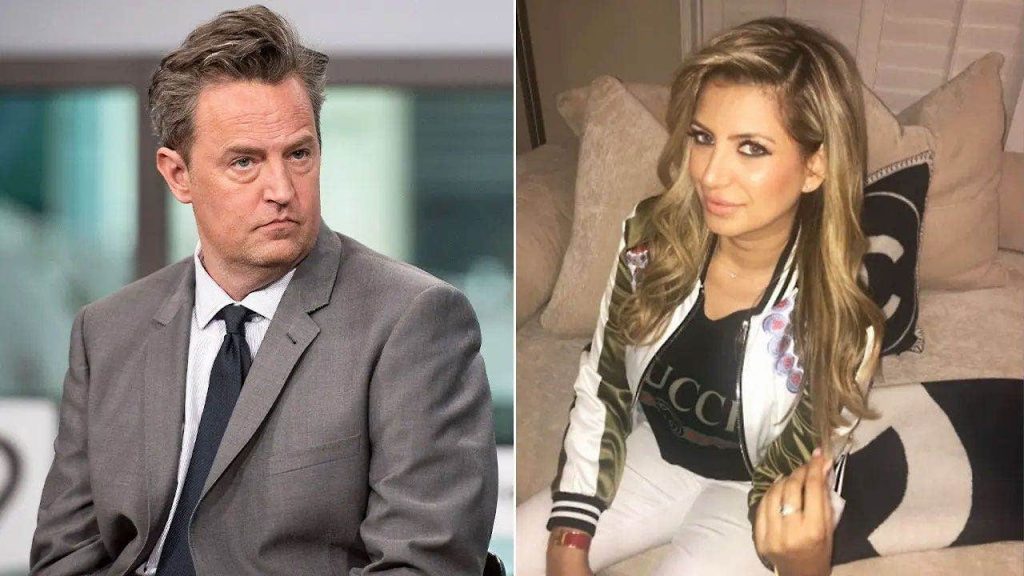
Nicole Russo says she is still haunted by the discovery that Jasveen Sangha, the North Hollywood woman now known as the “Ketamine Queen,” was running a secret drug operation tied to Matthew Perry’s death in Los Angeles. Sangha pleaded guilty and was sentenced to 15 years in federal prison on April 8, and Russo recounted their friendship and the shock of the betrayal on Investigation Discovery’s “Hollywood Demons” in the episode “Doctor Feelgoods.” This piece follows Russo’s recollections, the legal fallout involving doctors and assistants, and the courtroom moments that laid out how a high-end ketamine network functioned.
Russo says the friendship began around 2011 through mutual contacts in the music and concert world, and at first Sangha struck her as sweet and bubbly. “I feel betrayed,” Russo told Fox News Digital. She remembers Sangha as someone who wanted to be noticed, who fit into a circuit of parties and events without ever revealing the darker side of her life.
Over time Russo noticed Sangha’s wardrobe and lifestyle changing, but she never saw obvious drug use and assumed Sangha was simply growing into a more polished adult. “I wouldn’t have been so friendly if I had seen her in a situation where she was all drugged out,” Russo said. Their reconnection shortly before Sangha’s arrest — a glass of wine at Russo’s home and some catching up about family — felt, to Russo, like an ordinary night.
Perry was found dead in a hot tub at his Los Angeles home in October 2023 at age 54, and the medical examiner later ruled ketamine was the primary cause of death, with drowning as a secondary factor. Prosecutors say Perry, who used ketamine for depression, obtained doses from an illicit network after his doctors refused to authorize more. That network included Sangha, two doctors and Perry’s assistant, who pleaded guilty to one count of conspiracy to distribute ketamine causing death.
“I didn’t even know what ketamine was, let alone how to say it,” Russo said, explaining her initial confusion when strangers began mentioning Perry after she’d commented on a photo. As news unfolded, she searched Sangha’s name and found out about the arrest, which came as a shock and a betrayal. “I wanted to scream out,” said Russo. “I just kept saying to myself, ‘This is not the Jasveen I know.’”
Perry had been receiving ketamine infusion therapy from his physicians, but prosecutors say he turned to other sources for additional doses when doctors would not provide more. Dr. Salvador Plasencia admitted to illegally selling Perry ketamine and was sentenced to 2.5 years in prison, while another doctor who provided ketamine to Plasencia received eight months of home detention. Days before Perry’s death, prosecutors say Sangha completed a $6,000 cash purchase that included the lethal dose.
Prosecutors described Sangha as operating an elaborate network that catered to wealthy clients and fueled a jet-setting lifestyle, a picture that surprised people who knew her socially. “Had you stopped selling ketamine when I texted you, we wouldn’t be here today,” Kimberly McLaury later said in court, referring to a warning she sent after her brother Cody McLaury, who died in 2019, had been connected to Sangha’s activities. Sangha’s actions also drew a direct rebuke from Perry’s family in court.
Perry’s stepmother, Debbie Perry, told Sangha she had caused pain for “hundreds, maybe thousands” of people, and Keith Morrison, Perry’s stepfather and a correspondent for NBC’s “Dateline,” told the judge that he and Perry’s mother, Suzanne, feel a “daily, grinding sadness and sorrow.” Morrison added a personal note about Perry’s potential, saying “There was a spark to that man I have never seen anywhere else,” and that the actor deserved more time to find another act.
Shortly before sentencing Sangha addressed the court with visible remorse, saying she wears her shame “like a jacket.” “These were not mistakes. They were horrible decisions,” Sangha said, which “shattered people’s lives and the lives of their family and friends.” Her courtroom admission stood against the backdrop of victims and families describing the long reach of the network’s consequences.
Russo continues to wonder how Sangha is coping in prison and what led her down this path, reflecting on the human cost on both sides of the headline. “I then got mad,” Russo said. “She threw her life away. I had no idea she was involved with drugs. How could she have partaken in a situation that caused someone’s death? There are different ways to be an entrepreneur.”
Despite the legal fallout and the grief that followed Matthew Perry’s death, Russo emphasizes that both Perry and Sangha had families who cared for them and that the whole situation raises questions about how two lives with promise ended in tragedy. “I never expected her to be famous for something like this,” Russo added, still grappling with the idea that a friend led a secret life that had such devastating repercussions.
‘KETAMINE QUEEN’ JASVEEN SANGHA SENTENCED TO 15 YEARS IN PRISON FOR ROLE IN MATTHEW PERRY’S DEATH
WATCH: MATTHEW PERRY HAS BROUGHT ‘PUBLIC ATTENTION’ TO THE US’S KETAMINE PROBLEM DR. HOUMAN HEMMATI