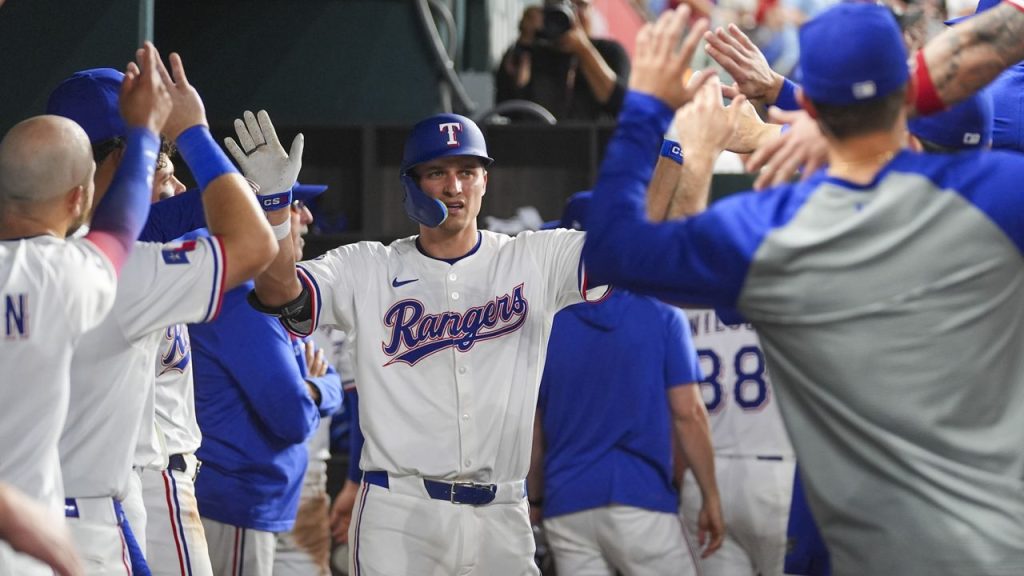
Corey Seager, the Texas Rangers’ All-Star shortstop, sat out a second straight game in Houston because of back spasms and underwent an MRI as the team sought answers; manager Skip Schumaker said results were pending and Seager would skip the road trip to Denver to get more testing in Arlington.
The decision to hold Seager out came before Sunday’s matchup with the Houston Astros, where the Rangers posted an 8-0 victory without their veteran infielder. The move was precautionary after Seager experienced discomfort that limited his availability following a scheduled day off earlier in the weekend. The club wanted to be certain the issue was limited to muscle spasms and not something that could linger or worsen with travel and play.
Schumaker confirmed Seager had an MRI on Sunday morning and said the team did not yet have the results after the game. Rather than travel with the club to Denver, Seager was directed to return to Arlington for further evaluation and follow-up testing. That extra caution reflects how teams treat soft-tissue complaints that can affect swing mechanics and day-to-day performance.
When asked about Seager’s condition before the game, Schumaker noted some improvement but felt the shortstop still was not ready to compete. “He was in here before I got here,” Schumaker said. The manager described Seager as eager to be available, showing up early and trying to work his way into the lineup, but ultimately not feeling well enough to take the field.
At 32, Seager is facing one of the tougher stretches of his career, mired in a career-worst 0-for-27 slump that has put extra attention on every at-bat and every swing. He sat out Friday’s game against Houston when the club had an off day, and the back issues first appeared Saturday morning, according to the team. Those converging concerns — a prolonged hitless stretch and a nagging physical problem — make the situation more delicate than a routine day-to-day absence.
Through 42 games this season Seager is batting .179 with seven home runs and 19 RBIs, numbers that are well below what the Rangers and fans expected from an All-Star middle-of-the-order presence. The team’s handling of his health choices reflects a balance between protecting a marquee player and trying to maintain offensive production. Club officials indicated they would prioritize getting a clear medical readout before making roster or lineup adjustments tied directly to the injury.
The Rangers’ medical staff and front office face decisions about workload, treatment and whether short-term changes are needed while Seager recovers. Rest, targeted therapy and imaging follow-ups are the typical path for back spasms, but the timeline for return can vary, especially when mechanical issues in a swing are involved. Meanwhile, Texas showed it can win without him, but the club also understands how quickly slumps can deepen when a veteran’s movements are hindered by pain.
Seager’s situation will be watched closely in Arlington over the next few days as test results arrive and trainers map out a plan. Any further absences or changes would draw immediate reaction from a fan base that has seen high expectations for the former All-Star. For now the focus is straightforward: determine if this is an isolated bout of spasms or something that needs a longer recovery window, then proceed with treatment and timeline based on those findings.