Shein’s reported move to buy Everlane has sent ripples through the fashion world, touching brand values, sustainability claims and retail strategy in the United States and beyond. The deal, reported from Detroit, pits a fast-fashion powerhouse against an American label that built its identity on transparency and environmental promises. Readers will see why shoppers, industry watchers and activists are reacting to this unexpected match.
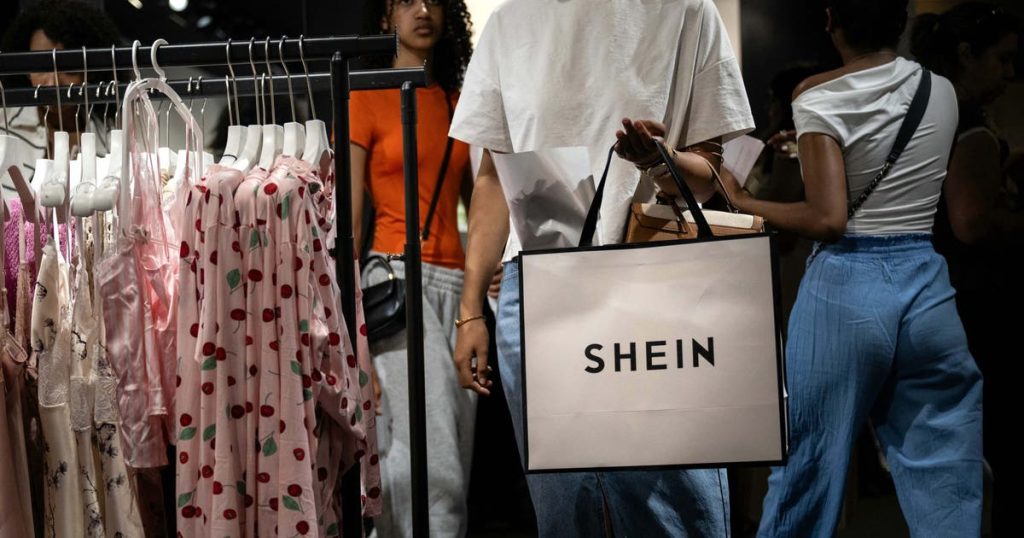
“FILE – A customer carries a Shein brand bag after shopping at a pop-up store of the Chinese-founded fast fashion brand Shein, in Dijon on June 26, 2025. (Photo by Arnaud Finistre/ AFP via Getty Images)” That image line has become the shorthand for what this story represents: a crossroads between low-cost trend chasing and brand stories that promise something purer. Everlane carved out a role as the place to buy wardrobe essentials with purpose, and that reputation is central to why this sale matters.
Everlane is known for selling what it calls “elevated basics” and for pushing a message about supply chains and environmental choices. The label gained traction by promising what it labeled “cleaner fashion” and by inviting customers to scrutinize pricing and production. That positioning made Everlane a favorite of shoppers who wanted style without a raw sustainability tradeoff.
Shein launched in 2012 and grew quickly by offering trendy items at very low prices, leveraging social media to reach younger buyers worldwide. The company operates a high-volume model with rapid turnaround and massive variety, which has fueled explosive sales. Its growth has also drawn scrutiny, criticism and legal challenges over product practices and business conduct.
The potential acquisition raises practical questions for product design, pricing and manufacturing. Everlane’s fans expect durable materials and accountability; Shein’s playbook centers on speed, scale and affordability. That tension will define the practical changes customers feel on tags, return policies and seasonal offerings.
There are reputational stakes, too. Everlane built trust on a promise of openness around where garments are made and how much they cost to produce. For an Everlane shopper, the brand’s ethos is as important as fit. If ownership shifts to a fast-fashion operator, consumers will be watching which parts of that ethos hold steady and which get rewritten.
Critics of fast fashion point to the environmental footprint of rapid-turn garments and the use of low-cost synthetics that are hard to recycle. Industry voices like Akhil Sivanandan, who co-founded Green Story to measure and share environmental impacts, have been vocal about the planetary cost of disposable clothing. That conversation is likely to intensify as Everlane’s sustainability narrative meets Shein’s production model.
Legal and regulatory pressure has followed Shein in some markets, with lawsuits and investigations putting spotlight on its practices. Those legal clouds are part of the backdrop for any buyer looking at Everlane, because compliance, intellectual property and labor questions can affect both brands once combined. Investors and executives will have to weigh short-term profit against long-term brand health.
From a shopper’s point of view, the deal could mean cheaper basics with broader availability. It could also mean fewer publicly available details about sourcing and costs if the acquirer prioritizes confidentiality over transparency. Either way, the likely outcome is a changed marketplace where brand promises are tested against corporate reality.
Retail strategists say consolidation is nothing new in fashion, but this match is notable because it brings together two very different operating philosophies. Everlane’s supporters will be lobbying for the retention of its sustainability signals, while Shein’s backers will focus on scaling and market share. The real test will be whether the merged entities deliver on product quality and brand trust in equal measure.