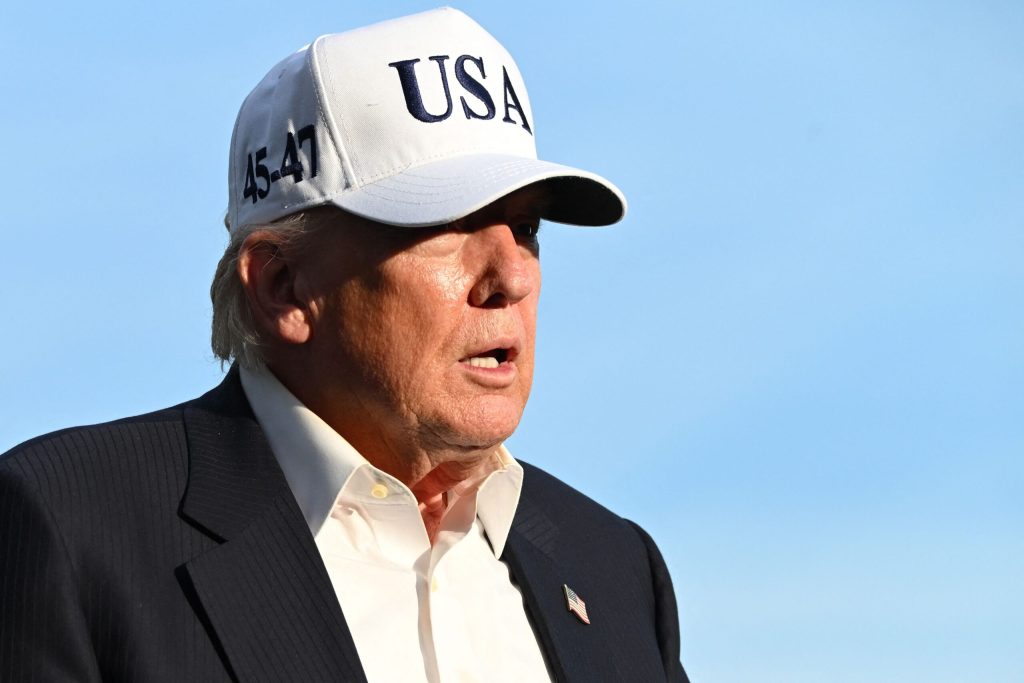
The Justice Department, President Donald Trump and the controversy over politically charged investigations take center stage as a new $1.776 billion fund was announced to compensate allies who say they were unfairly targeted. Names tied to coverage include Hannah Rabinowitz, Tierney Sneed and Casey Gannon of CNN, and the move was announced in Washington as part of a broader debate over accountability and the use of federal power.
The Justice Department unveiled a plan to create a $1.776 billion fund aimed at people who contend they were prosecuted or investigated for partisan reasons under the previous administration. The announcement landed like a political grenade, promising payouts and sparking sharp pushback from opponents who see it as a raw exercise in politics. For many conservatives the fund looks like a step toward correcting what they view as weaponized law enforcement.
Supporters of President Donald Trump call the fund overdue relief for people caught in aggressive investigations that never resulted in convictions or that relied on questionable tactics. They argue that careers and reputations were damaged, and some Americans want real remedies rather than vague promises. This approach frames the move as restoring fairness to a justice system that, in their view, drifted into partisan enforcement.
Opponents counter that handing out billions to those aligned with the president risks turning compensation into a political reward. They warn of precedent where administrations use public money to benefit their allies and undercut impartial rule of law. That critique will be central as the policy heads toward implementation and likely legal scrutiny.
The size of the fund — $1.776 billion — grabbed headlines and fueled immediate questions about where the money will come from and how claims will be evaluated. Officials have said the mechanism will define eligibility and set standards, but critics demand full transparency and strict oversight. That push for clarity will almost certainly become a partisan battlefield in Congress and the courts.
Republican voices emphasize the human cost: people who lost jobs, who faced ruined businesses and who had to endure months or years of intrusive legal entanglements. They point to examples of aggressive subpoenas, extended probes and public spectacle that left lasting damage even when courts did not produce convictions. For this audience, the fund is not simply a political gesture but an attempt at restitution.
Democrats and civil liberties advocates worry the plan will politicize restitution and weaken institutional norms at the Justice Department. They say measures to compensate should rise from independent findings of misconduct, not a broad political sweep. Those concerns will shape the courtroom arguments and the messaging battles across cable and social platforms.
Legal experts predict the rollout will encounter multiple challenges, including lawsuits over the authority to set up such a fund and debates about whether settlements should be handled through ordinary claim processes. Expect fights over standing, statutory authority and whether Congress must weigh in on such a large allocation. Those procedural skirmishes could slow payouts and deepen partisan rancor.
The move also signals how politics and justice are now tightly entwined. Whether you view the fund as a needed correction or a troubling step toward payback, it sharpens the broader question about how to separate accountability from partisanship. That question will define the messaging each side takes to voters as the issue unfolds.
White House officials have framed the decision as rectifying wrongs and returning integrity to the system, while opponents frame it as an improper use of the purse to reward political allies. Both narratives will dominate headlines and set up an intense debate over the norms that govern federal law enforcement. Expect hearings, public statements and legal filings as each side builds its case.
For everyday Americans watching from the sidelines, the debate is about something simple and familiar: fairness. People who felt dragged through public legal fights want answers and, in some cases, compensation. Whatever the legal outcome, the political fallout will be durable and will shape how voters judge both the Justice Department and elected leaders.
The coming weeks should clarify the mechanics of the fund, who qualifies and how quickly claims might be resolved. As the policy takes shape, Republicans will press for expeditious reparations, while Democrats will push for strict guardrails and oversight. That clash will define the next phase of this contentious policy experiment.
This development puts a spotlight on how administrations choose to address grievances rooted in past investigations, and how those decisions ripple across institutions and public trust. It is a test of whether America’s legal system can correct perceived wrongs without trading on political loyalties. The result will matter long past the immediate headlines.