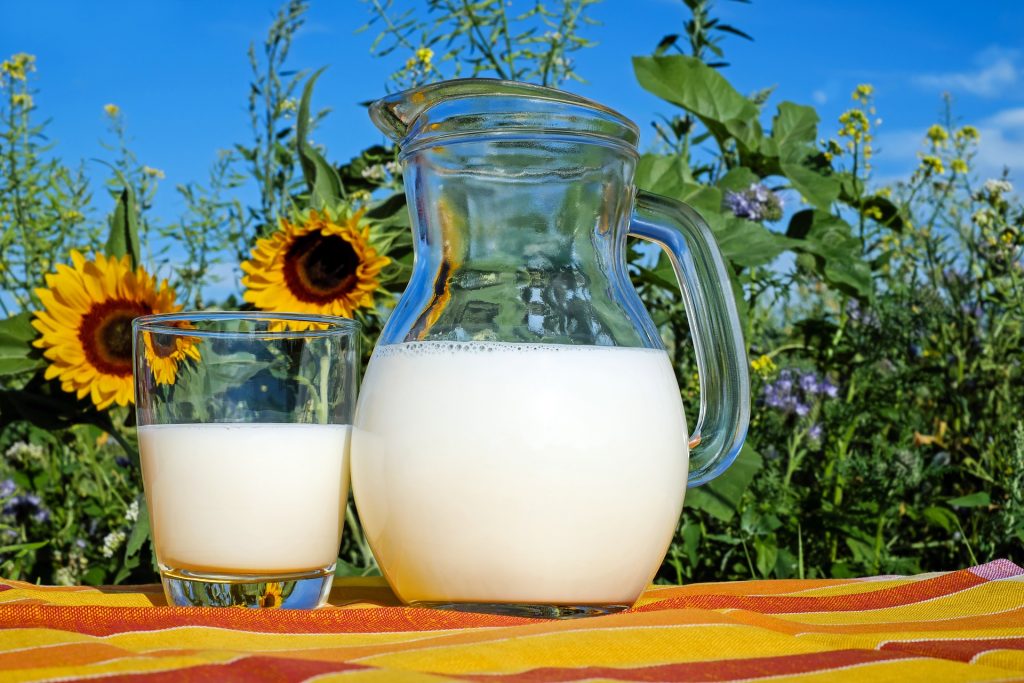
Pathways to Dairy Net Zero, often shortened to P2DNZ, is showing up in mailboxes and on farm desks across the country, and the note is simple: provide herd records, energy use, and emissions numbers if you want your milk processed. Dairy farmers from family operations to larger herds face a choice when their processor labels participation as “voluntary” but ties compliance to milk acceptance. This article examines what those letters mean for producers, how data demands can reshape farm economics, and what choices farmers have when processing partners set new terms.
The first thing most producers notice is the level of detail requested. Herd counts, feed inventories, electricity and fuel bills, and sometimes expected changes in manure management are all on the list. That kind of reporting can expose competitive information and requires administrative work many farms are not staffed to handle. For smaller operations, the burden of record-keeping alone becomes a real cost.
Processors frame these programs as a way to measure progress and offer market access to buyers focused on sustainability. From a supply chain perspective, standardized data makes it easier to verify claimed reductions and meet corporate or retailer targets. But what looks like standardization on paper can feel like coercion at the silo, because processors control the gate between farmers and the marketplace. When milk moves through a handful of large plants, that leverage becomes pressure.
Farmers worry about where their data goes and how it will be used over time. Will aggregated statistics be combined into scorecards that rank farms and influence pricing or contracts? Could compliance with a P2DNZ program become a de facto requirement for preferred premiums or even basic acceptance? Those are not hypothetical questions when the alternative is a processor refusing your load.
There are also practical challenges in the field. Many farms have legacy systems or no digital record-keeping at all, so collecting and validating the right data can mean new hardware or hired help. Energy and emissions methodologies vary, and what one third-party tool counts as a reduction another may ignore. The variation creates uncertainty and the potential for disputes over reported results and eligibility.
On the flip side, some farmers see opportunity. Access to sustainability markets can mean long-term contracts and new buyers interested in traceable supply chains. Investments in efficiency, like updated lighting or optimized refrigeration, can lower bills while improving measured footprints. For producers willing and able to invest, certification programs can be a door to higher-value sales.
Collective action is a clear option for producers feeling squeezed. Cooperatives, state dairy associations, and regional groups can negotiate the terms of data sharing, push for reasonable timelines, and demand transparency about how information will be used. Shared resources for data collection and verification can lower costs for individual farms and reduce the incentive for processors to play one producer against another.
Legal and policy angles also matter. Contracts may already include language that lets processors require certain practices or data, but fairness and antitrust concerns can arise if market power is used to exclude suppliers. State agricultural departments and extension services can provide guidance on best practices for data handling and on programs that help farmers upgrade record systems. Policymakers might also consider whether voluntary programs are really voluntary when a single firm’s decision can determine a farm’s market access.
Transparency from processors would go a long way toward easing tension. Clear timelines, acceptable data formats, privacy protections, and independent audits could make participation less risky for farms. Processors claiming sustainability commitments should be willing to invest in farmer training and in shared infrastructure that reduces the administrative load on producers. Promises of higher prices without such support are thin comfort.
Consumers and retailers push for measurable progress, and the dairy sector faces real environmental questions worth addressing. But effective change must balance measurement with fairness, keeping in mind the day-to-day reality of milking parlors, labor constraints, and razor-thin margins. Farmers need pathways that preserve their autonomy while enabling meaningful improvements in emissions and resource use.
In the end, the letters sitting on kitchen tables point to a bigger shift in how agricultural supply chains will be governed. Pathways to Dairy Net Zero is one example of a trend toward data-driven sustainability, and how that trend unfolds depends on whether the industry builds cooperative solutions or lets market power drive compliance. Farmers, processors, and buyers all have roles to play in shaping a system that is both accountable and workable for the people who actually produce the milk.