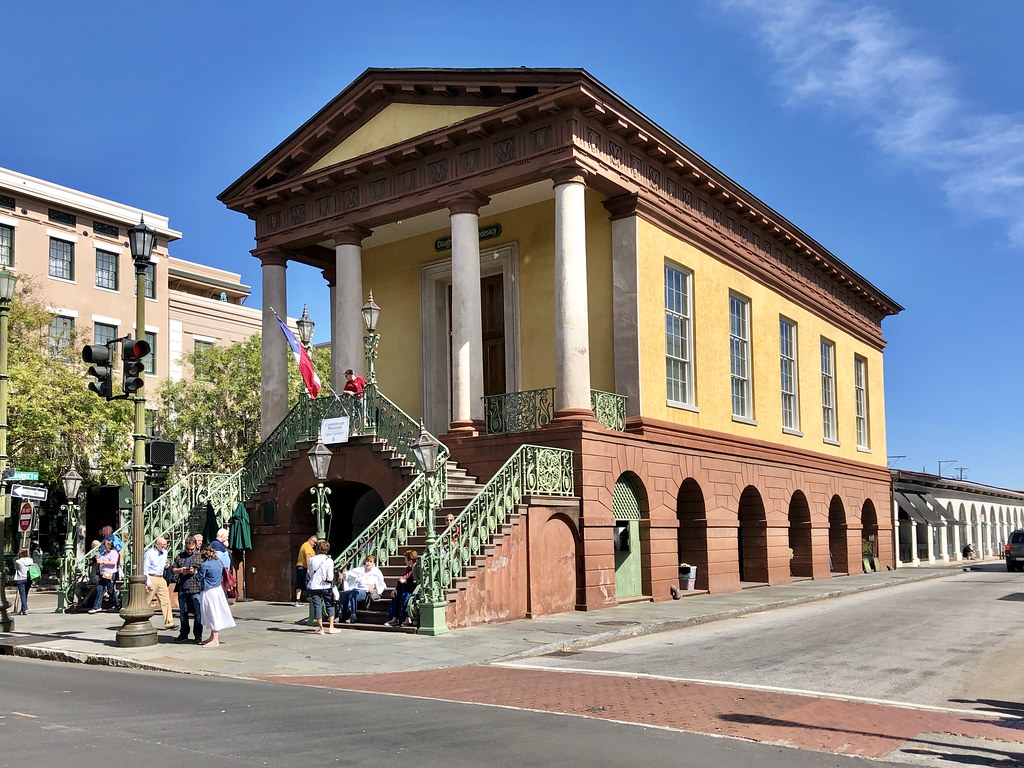
There are places in this world that feel genuinely alive — not in a touristy, manufactured way, but in a way that hums with real community, real craft, and real history layered so thick you can almost touch it. Charleston City Market, stretching four full blocks through the heart of downtown, is absolutely one of those places. And if you haven’t spent a proper morning wandering its open-air sheds and grand market hall, you are missing one of the most distinctive experiences this city has to offer.
The market has been a fixture of Charleston life since the early 1800s, originally established as a public marketplace where locals gathered to buy, sell, and socialize. Today, that same tradition carries on with remarkable authenticity. More than 300 local vendors set up here, and what they’re selling ranges from handmade jewelry and hand-painted lowcountry scenes to locally crafted leather goods, spiced pecans, specialty hot sauces, and clothing that you simply won’t find in any chain store. This is not a flea market in the generic sense — the City Market has real curatorial spirit to it, and you’ll feel that the moment you step inside.
The crown jewel of a visit here is watching the Gullah sweetgrass basket weavers at work. These artisans, predominantly women from the Gullah Geechee community, carry on a tradition that stretches back to West African roots and has been passed down through generations along the South Carolina and Georgia coast. Sitting in the shade of the market sheds, their hands move with quiet confidence through bundles of sweetgrass, bulrush, and palmetto leaf, creating baskets of breathtaking intricacy. Each piece is completely one-of-a-kind. Prices reflect the hours of skilled labor involved — a small basket might run $50 to $100, while larger, more elaborate pieces can climb considerably higher. Every dollar spent goes directly to preserving a living cultural art form, and that’s worth something far beyond the object itself.
The market sits in the French Quarter neighborhood, just steps from East Bay Street and a short stroll from Waterfront Park. It’s open daily, typically from 9 a.m. to 9 p.m., with the Great Hall at the western end housing a more curated collection of artisan vendors in a beautiful, climate-controlled setting. Weekend mornings tend to be the sweet spot — busy enough to feel festive, but not so crowded that you can’t linger and actually talk to the people making what they sell.
Come hungry, too. There are vendors offering pralines, boiled peanuts, and various lowcountry snacks that make for excellent grazing as you wander. The surrounding blocks are packed with great coffee shops and lunch spots for when you’re ready to sit down and review your haul.
What makes Charleston City Market endure as more than just a shopping destination is the sense that you are participating in something continuous — a place where commerce and culture have coexisted for over two centuries and where the people who keep that tradition alive are right there in front of you, proud of their work and happy to tell you about it. It’s not a museum piece. It’s a living, breathing part of Charleston’s identity, and spending time here feels like the city is letting you in on something real.
Whether you walk away with a sweetgrass basket, a jar of local honey, or simply a deeper appreciation for the craftsmanship that defines this region, Charleston City Market delivers the kind of experience that stays with you long after you’ve headed home.