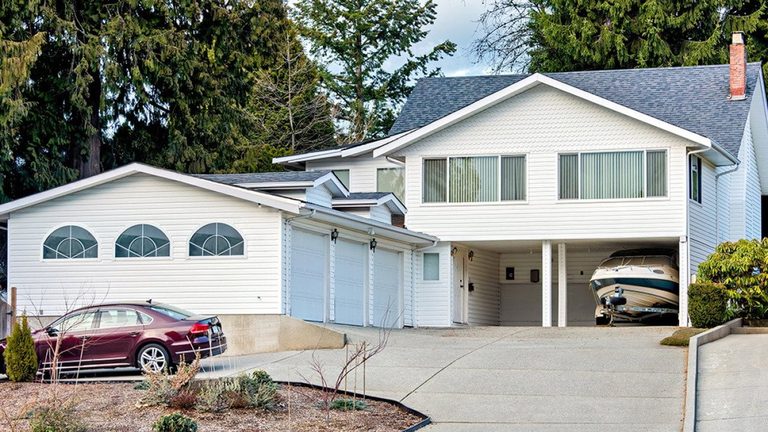
As the warm weather arrives, many are taking their boats, jet skis, and paddleboards out of storage. However, with the fun comes the risk of accidents. In 2024, the U.S. Coast Guard reported 3,887 boating accidents, resulting in 556 deaths, 2,170 injuries, and $88 million in property damage.
Understanding Boat Insurance
Homeowners insurance may cover small, non-motorized boats or paddleboards, but only up to a certain amount, typically $1,000 to $1,500. However, this coverage is limited and does not include liability protection. If you own a larger boat or a jet ski, you will need a separate boat policy to be fully protected.
A dedicated boat policy covers the boat itself, as well as liability for accidents or injuries. It’s essential to understand what your policy covers and what it doesn’t. For example, a homeowners policy may not cover damage caused by flooding, and a boat policy may not cover damage caused by normal wear and tear.
Liability Coverage
Liability coverage is crucial when it comes to boating. If someone is injured on your boat or you damage another vessel, you could be held responsible. A separate boat policy can provide the necessary liability coverage to protect you and your assets.
When purchasing a boat policy, it’s essential to consider the type of coverage you need. Agreed value coverage costs more than actual cash value coverage, but it provides more comprehensive protection. You should also consider the deductible and the coverage limits.
Renting a Boat
If you’re renting a boat, don’t assume that the rental company’s insurance policy will cover you. Ask about their policy and what it covers before you sign. You may need to purchase additional insurance to protect yourself and your passengers.
Original reporting: KTVZ (Central Oregon) — read the source article.