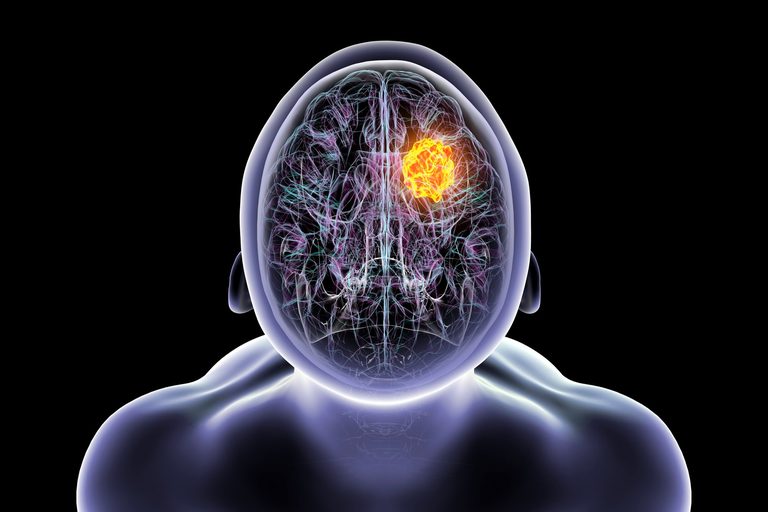
Glioblastoma is a fast-growing brain cancer that seems to strike randomly, devastating people of all ages and their families. It’s difficult to treat, with most patients facing a life expectancy of less than two years after diagnosis.
Symptoms of Glioblastoma
According to Dr. Annick Desjardins, a neuro-oncologist at the Duke Cancer Center Brain Tumor Clinic in Durham, North Carolina, the most common symptom of glioblastoma is severe headaches that usually show up in the morning. These headaches can wake people up in the middle of the night and don’t respond to pain relievers.
Other symptoms include seizures, which can be a short-lived abnormal neurologic sensation, and changes in personality, ability to speak and understand speech, read and write, move and see. A tumor in the frontal lobe can impact how a person behaves, leading to profound changes.
Treatment and Prognosis
Patients with glioblastoma undergo surgery, radiation therapy, and chemotherapy with a drug called temozolomide. Optune, a wearable medical device, offers a survival advantage. However, glioblastoma is one of the most challenging cancers to treat, and it’s impossible to remove all of it with surgery since it invades vital parts of the brain and grows extremely fast.
Original reporting: Dallas TX News (HLL/CB) — read the source article.