As the 2026 Atlantic hurricane season approaches its peak, homeowners in high-risk areas are advised to take measures to protect their families and properties. The National Oceanic and Atmospheric Administration (NOAA) predicts a 55% chance of below-normal activity, but it’s essential to be prepared for any eventuality.
Understanding Hurricane Risks
Coastal zones have the highest risks of hurricane impacts from damaging winds and storm surges. Counties determine their own hurricane evacuation zones based on storm surge vulnerability mapping. Homeowners should research their area’s specific risks and evacuation zones to ensure they’re prepared.
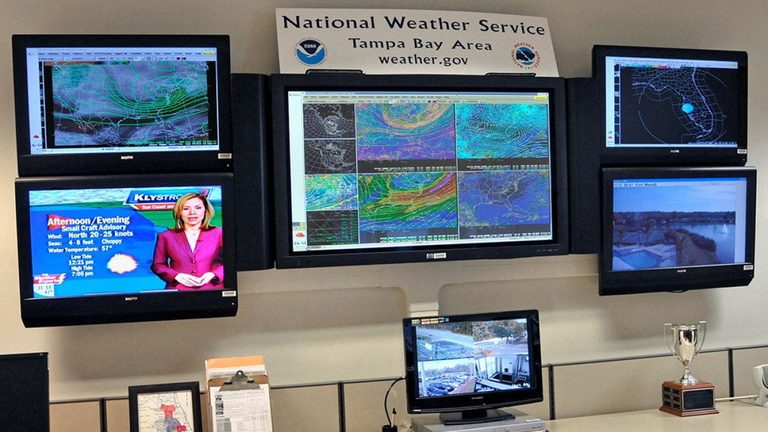
Meteorologists can usually predict a hurricane’s path three to five days in advance. Once a hurricane hits, conditions can last anywhere from 12 to 24 hours. It’s crucial to pay close attention to weather reports and warnings from local authorities to stay safe.
Preparing for a Hurricane
Homeowners should gather essential emergency items, including a 72-hour ‘go-bag’ with water, food, medications, and other vital supplies. They should also consider where they’ll go if they need to evacuate and practice their evacuation plan to avoid confusion.
It’s also essential to review homeowners insurance policies to ensure they cover damage related to hurricanes. Standard policies may not cover flood damage, so homeowners may need to purchase separate flood insurance.
By taking these steps, homeowners can protect their loved ones and properties from the devastating effects of hurricanes.
Original reporting: KEYT (Ventura/Santa Barbara) — read the source article.