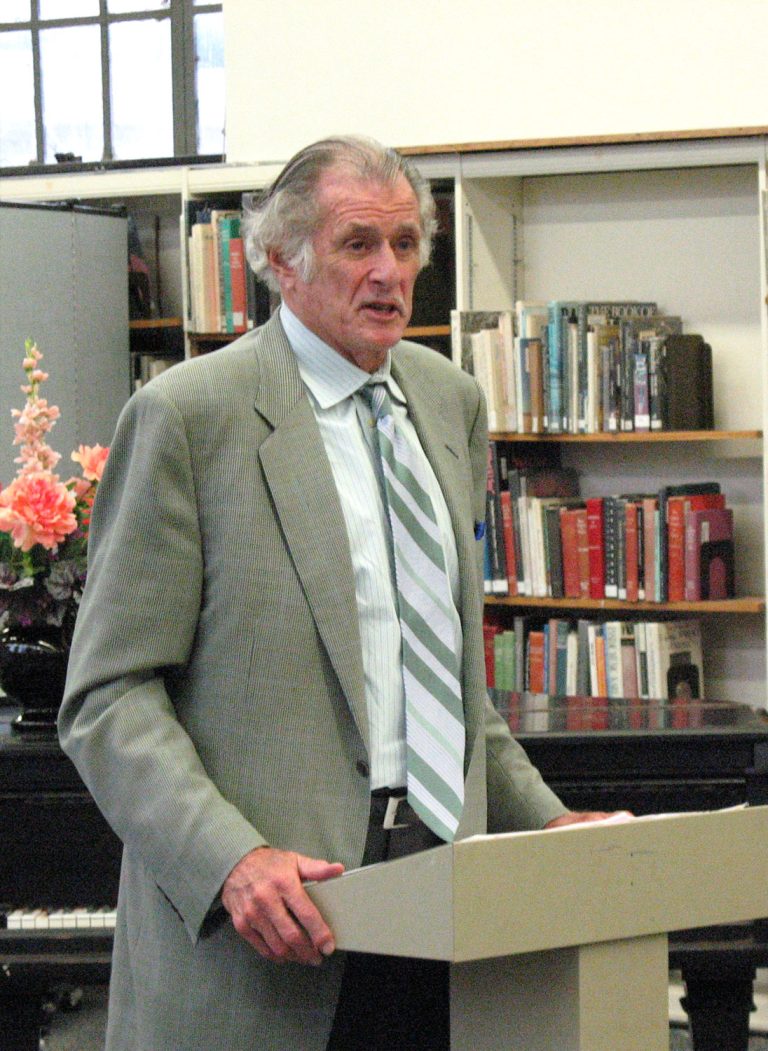
Federal Reserve Chairman Kevin Warsh appeared before the House Financial Services Committee to deliver the Fed’s semiannual Monetary Policy Report. In his testimony, Warsh discussed the central bank’s efforts to bring inflation under control and his plan to establish five task forces to review factors affecting monetary policy.
Task Forces and Monetary Policy
Warsh explained that the task forces will study and provide recommendations on improving communications, balance sheet policy, economic data, productivity and jobs, and inflation frameworks. He also stated that any proposed policy changes to the Fed’s $6.7 trillion balance sheet will be telegraphed to the public before any actual changes are made.
Warsh was pressed on his views about the Fed’s political independence and the potential economic impact of artificial intelligence (AI). He reiterated his commitment to following the law and the data, and expressed optimism about the potential benefits of AI for the US economy.
Lessons from the 2008 Crisis
Warsh reflected on his time as a Fed governor during the 2008 global financial crisis, stating that he learned the importance of collaborating with other regulators and stewards of the US economy in times of crisis. He also noted that the Fed is revisiting its approach to quantitative easing, which was used during the crisis to inject liquidity into the financial system.
Original reporting: KRDO (Colorado Springs metro) — read the source article.