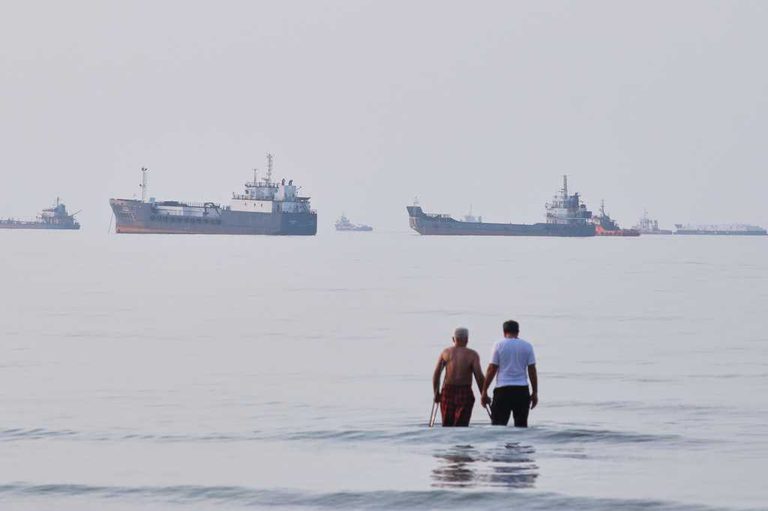
The United States is facing significant challenges in its efforts to fully reopen the Strait of Hormuz, a vital shipping corridor in the Middle East. Despite President Donald Trump’s attempts to force Iran to reopen the strait, experts say that restoring oil tanker traffic to pre-war levels will require a substantial increase in US warships and potentially tens of thousands of American troops on Iranian soil.
Iran’s Military Capabilities
Iran has been preparing for an asymmetric conflict with the US for decades, according to Jason H. Campbell, a senior fellow at the Middle East Institute. The country has amassed advanced capabilities, including drones and missiles, which it can use to target vessels in the strait. Campbell notes that Iran’s military units are often allowed to operate without waiting for orders from Tehran, making it difficult for the US to launch effective airstrikes.
The US has tried to facilitate commercial traffic through the strait by guiding civilian vessels with warships, but this approach comes with its own challenges and costs. The US would need a substantial number of warships to dedicate to this effort, which could lead to increased losses of US service members. Additionally, Iran’s threats alone can be enough to scare away ships, as commercial vessels have been avoiding traditional routes through the strait due to fear of Iranian mines.
US Strategy
President Trump has insisted that the strait is open and that the US has made significant progress in degrading Iran’s capabilities. However, experts say that the US would need to deploy a large number of troops to secure the strait, which would come with significant costs and risks. The US has not followed through on promises to militarily assist shipments that have become a liability of the conflict, and the Trump administration has not provided a clear strategy for securing the strait.
Original reporting: 40/29 / KHBS (NW Arkansas) — read the source article.