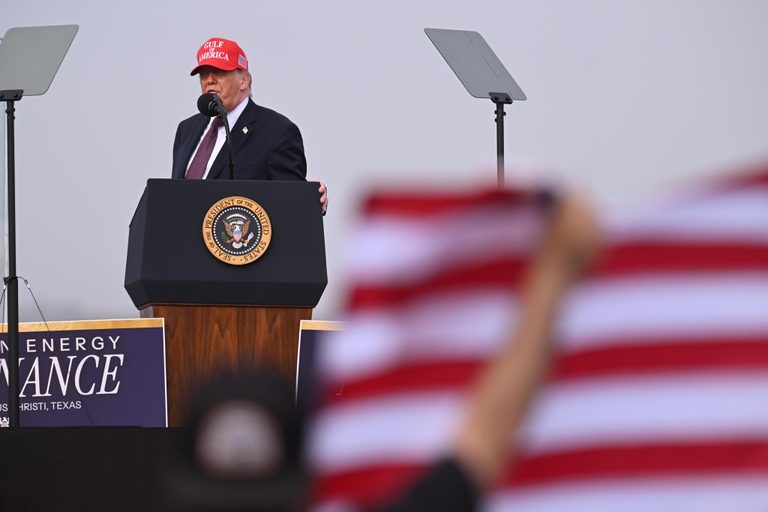
Mexico and the U.S. have a longstanding economic relationship based on energy, with networks of pipelines stretching from Texas to Mexico to deliver natural gas. However, this relationship is at risk due to the Trump administration’s decision to back out of the U.S.-Mexico-Canada Agreement, a free-trade pact that was enacted in 2018 to bolster trade between the three countries.
Texas’ Role in Mexico’s Energy Security
For at least two decades, Mexico has sought U.S. gas to support its electricity demand across the residential, industrial, and power sectors, and its dependence has skyrocketed. In 2005, Mexico received 750 million cubic feet of natural gas a day from the U.S., but last year that number jumped to 7.5 billion cubic feet a day, according to the Energy Information Administration. At least 90% of that natural gas comes from Texas, which has become one of the bigger beneficiaries of the economic arrangement.
Mexico has taken steps to shore up its own natural gas reservoirs, announcing in April that it would seek to ramp up fracking. However, experts are skeptical of this plan, arguing it would take years and a dramatic increase in oil and gas production to make up for the billions of cubic feet of natural gas the country imports a day to meet its growing demand.
Geopolitical Implications
The longstanding bond in energy between the two countries is particularly vulnerable as political tensions rise between them. The Trump administration’s decision to back out of the U.S.-Mexico-Canada Agreement could imperil the relationship and add new pressure for Mexico, which will pay higher prices, and Texas, which is overstocked with natural gas reserves.
Original reporting: Texas Tribune (HLL/CB) — read the source article.