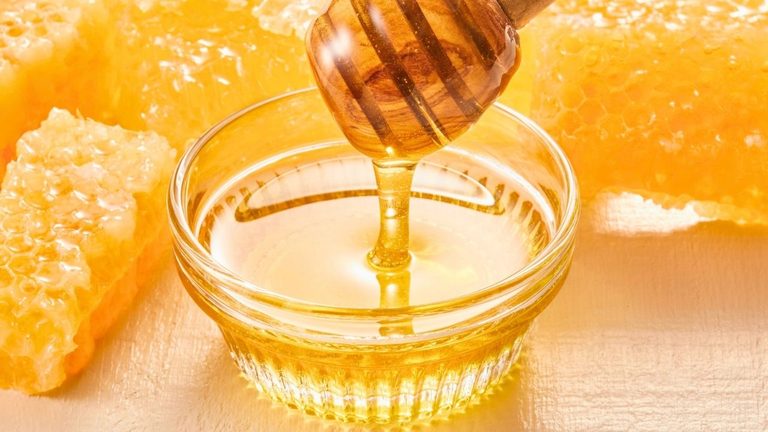
Ancient Egyptian honey, found in tombs, has been discovered to remain edible after more than 3,000 years. This remarkable stability of honey is a testament to its unique properties.
Preservation and Uses
Honey was highly valued by the ancient Egyptians, who used it in religious offerings, medicine, and preservation. It was also used as a wound treatment, sweetener, and preservative. The low-water, acidic environment that preserves honey has informed modern food preservation techniques.
Similar efforts to revive ancient foods include a project where scientists baked bread using yeast revived from the 5,300-year-old Ötzi the Iceman mummy. Researchers have also extracted dormant yeast from 4,500-year-old Egyptian ceramic vessels used for bread and beer, and baked loaves using ancient grains.
Modern Applications
Today, honey retains its uses as a sweetener and in some natural remedies. However, commercial processing often involves pasteurization and filtration, which can reduce some bioactive compounds present in ancient samples. Raw honey preserves more enzymes, pollen, and antioxidants than heat-treated varieties.
Original reporting: The Dallas Express — read the source article.