A major diplomatic standoff is unfolding over the world’s most critical energy chokepoint. The United States has delivered a firm ultimatum to Tehran, demanding a public, unambiguous guarantee that the Strait of Hormuz is open and that international shipping will no longer face attacks.
Background
According to senior U.S. officials speaking on the condition of anonymity, a recent wave of maritime strikes shattered a fragile interim ceasefire. U.S. intelligence points to a rogue faction of Iranian hard-liners attempting to actively sabotage negotiations.
This internal power struggle has intensified significantly since U.S. and Israeli airstrikes eliminated Iran’s longtime leader, Ayatollah Ali Khamenei, at the onset of the conflict, leaving a leadership vacuum in Tehran.
US Response
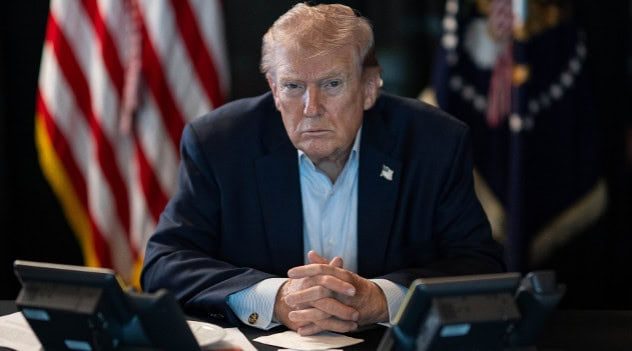
President Donald Trump took to social media on Friday to declare the previous interim ceasefire deal “OVER!” Following the renewed attacks on vessels, the administration launched powerful counterattacks. Officials noted that the U.S. response was intentionally severe to demonstrate that Iran will be held accountable for aggression, regardless of which internal faction pulls the trigger.
Despite the collapse of the temporary truce, Washington has not walked away from the table entirely. Negotiators have been given a strict, limited timeline to hammer out a permanent resolution. U.S. officials emphasized that any lasting agreement will require Iran to entirely surrender its stockpile of highly enriched uranium, which remains buried underground following heavy U.S. airstrikes last summer.
Washington explicitly warned that it retains a wide range of military options to ensure those nuclear materials remain permanently buried if diplomacy fails.
Iran’s Position
The American position faces immediate resistance from Iranian leadership. Moments before U.S. officials briefed reporters, Tehran’s ambassador to the United Nations, Amir Saeid Iravani, explicitly rejected external oversight of the waterway outside the U.N. Security Council.
“Any attempt, by external actors, to interfere with or establish a power arrangement would violate the (interim deal), and undermine its implementation, delay the restoration of normal commercial navigation, jeopardize maritime safety, and increase regional tensions,” Iravani stated.
Tehran is currently demanding total, exclusive authority over the Strait of Hormuz, going so far as to suggest it will begin extracting transit fees from commercial vessels. For decades, international law has recognized the strait as a free, international waterway.
Original reporting: Tampa Free Press — read the source article.