There is a moment, somewhere around mile one of the Pinnacle Peak Park trail as the sun drops behind the McDowell Mountains, when the desert stops being scenery and becomes something closer to a living thing. The saguaros cast long shadows across the granite boulders, the air cools from scorching to silky, and the sky above north Scottsdale shifts through every shade of orange and violet imaginable. That moment is why I keep coming back.
Pinnacle Peak Park sits in the northern reaches of Scottsdale, tucked into the community of Pinnacle Peak near the intersection of Happy Valley Road and Alma School Parkway. It is free to enter, open year-round, and anchored by a well-maintained 1.75-mile out-and-back trail that winds beneath the park’s signature 3,170-foot granite spire. The trailhead parking lot is spacious, the restrooms are clean, and the path itself is clearly marked with interpretive signs that explain everything from the geology of the surrounding rock formations to the behavioral habits of the Gila woodpecker. It is, in short, a park that respects both casual visitors and serious desert enthusiasts.
What makes this place genuinely extraordinary, though, is what happens at the edges of the day. Early morning hikers are rewarded with cool air and the sound of cactus wrens and curve-billed thrashers calling across the wash. The granite peak glows amber in the first light in a way that no photograph quite captures. Photographers set up tripods here with purpose. But the evening hours are where Pinnacle Peak reveals its most theatrical side. As darkness arrives, the Sonoran Desert sky opens up in a way city dwellers simply do not expect. Because the park enforces a strict dark-sky lighting ordinance in the surrounding neighborhood, light pollution is remarkably low for an urban park of this caliber. On a clear night, the Milky Way is not just visible — it is dramatic.
The trail surface is compacted decomposed granite with some rocky sections near the base of the spire, so sturdy shoes are a genuine recommendation rather than a formality. Bring water no matter the season, and if you are visiting between May and September, an early morning or post-sunset start is strongly advised. The park officially closes at 8:00 PM in summer and adjusts seasonally, so checking the City of Scottsdale parks page before an evening outing is worth the thirty seconds it takes.
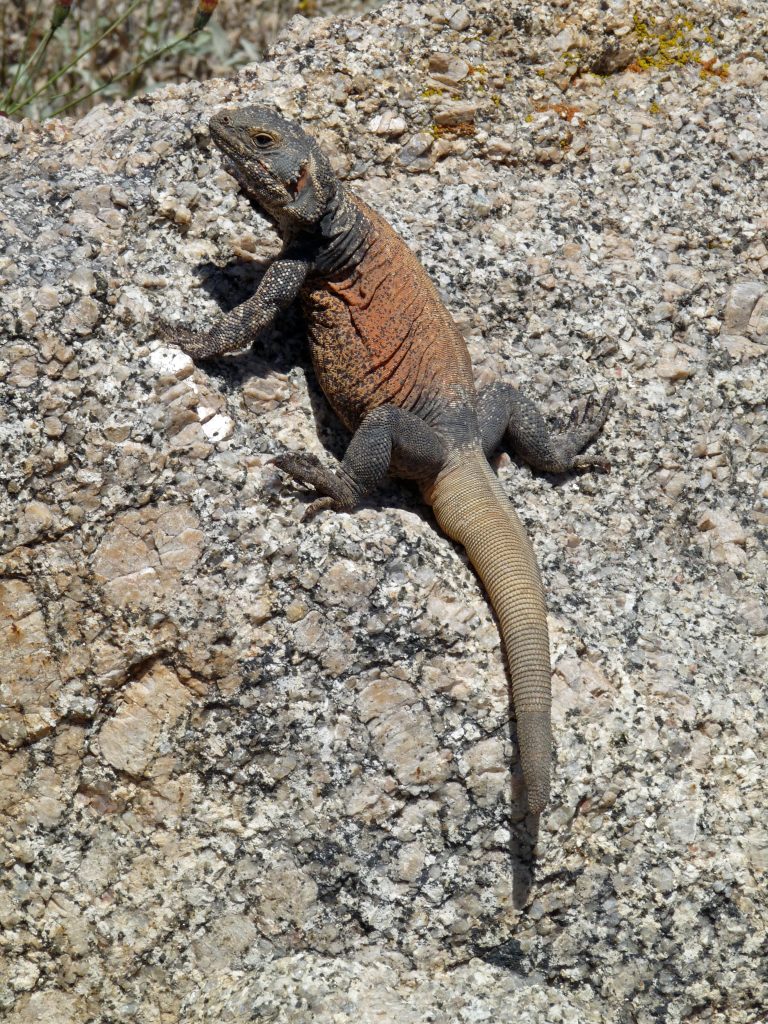
Along the trail, you will pass through classic Sonoran Desert plant communities — stands of palo verde, ocotillo, brittlebush, and chollas that bloom riotously yellow and purple in late winter and spring. Wildlife sightings are common: Gambel’s quail families trotting single-file across the path, Harris’s hawks circling overhead, the occasional mule deer picking its way through the brush at dusk. This is not a manicured botanical garden; it is the real desert, accessible and approachable without sacrificing any of its authenticity.
Families with older children, solo hikers, couples looking for a sunset walk that does not require a reservation — Pinnacle Peak Park accommodates everyone with quiet generosity. There are benches placed at thoughtful intervals along the trail, and a small ramada near the trailhead where you can sit and let the desert settle around you after your hike.
If you are planning a trip to Scottsdale and you think the outdoors portion of your itinerary begins and ends with a resort pool, I would gently encourage you to reconsider. Pinnacle Peak Park is the kind of place that changes what you think a city park can be. Arrive an hour before sunset, walk at an easy pace, and stay until the stars appear. You will leave with dirt on your shoes and something quieter and harder to name — a genuine sense of having been somewhere real.