There is a moment — and if you have ever stood along the Detroit waterfront in late summer, you know exactly the one I mean — when the last notes of a saxophone solo drift out over the river, the crowd holds its collective breath, and the city feels like it belongs entirely to music. That moment happens every Labor Day weekend at the Detroit Jazz Festival, and it is, without question, one of the most extraordinary free music events in the entire world.
Yes, free. The Detroit Jazz Festival has been presenting world-class jazz without charging a single dollar for general admission since 1980, and that commitment alone tells you something profound about the spirit of this city. This is not a niche gathering for purists in berets. This is four days of boundary-pushing, genre-bending, deeply human music spread across four stages along the downtown riverfront, drawing upward of 100,000 people from every corner of Detroit and well beyond.
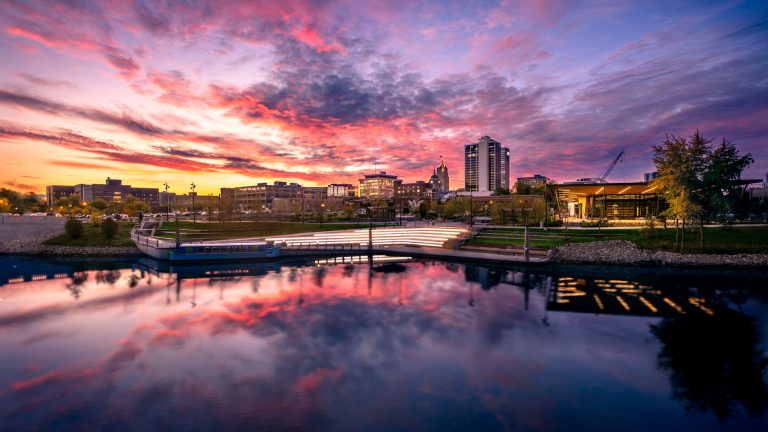
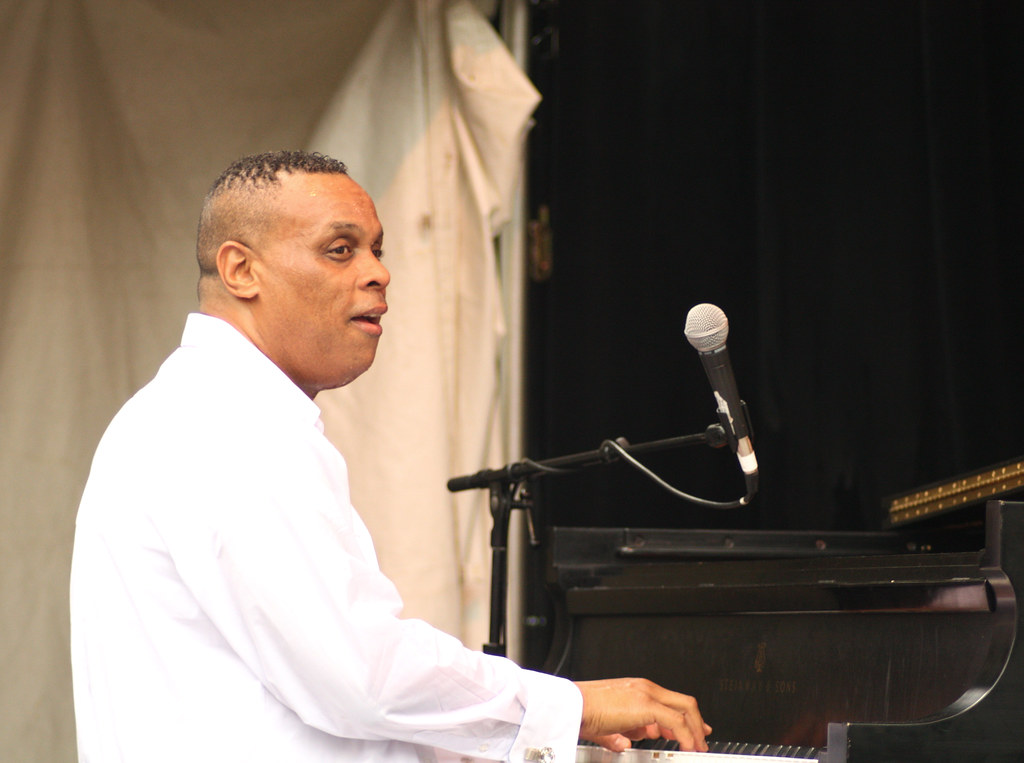
The festival is anchored at Hart Plaza, right at the foot of Woodward Avenue where it meets the Detroit River. The setting is genuinely spectacular. The Renaissance Center gleams behind you, Windsor shimmers across the water ahead of you, and between those two skylines, musicians who have performed at Carnegie Hall and the Village Vanguard are playing their hearts out a few feet away. You can walk right up to the stage. You can spread a blanket on the grass. You can buy a Detroit Coney dog from a nearby vendor and eat it while a Grammy-nominated pianist works through a composition that would make Duke Ellington nod in approval.
What makes the festival feel so alive is its curatorial range. Any given afternoon might move from a young Detroit-born bassist leading a quintet through hard bop standards, to a vocalist exploring Afro-Brazilian jazz, to a big band arrangement that rattles your sternum in the best possible way. The festival consistently books internationally recognized headliners — past performers have included Herbie Hancock, Dee Dee Bridgewater, Wynton Marsalis, and Christian McBride — while also giving serious, substantive stage time to emerging local talent. The Detroit music community runs deep, and the festival honors that depth deliberately.
Come early on Saturday morning and you will find families staking out prime lawn space near the main Absopure Waterfront Stage. Come Friday evening and the after-work crowd fills Hart Plaza with an energy that is relaxed but electric. The food vendors are plentiful, the people-watching is tremendous, and the vibe manages to be both celebratory and genuinely reverent toward the art form.
If you plan to make a weekend of it — and you absolutely should — Detroit’s downtown hotels fill quickly around Labor Day, so book well in advance. The Greektown neighborhood is a short walk away for dinner before evening sets, and the Detroit RiverWalk connects you to quieter spots when you need a moment to decompress between performances.
Detroit has always been a music city. It gave the world Motown, techno, and a punk scene that punched far above its weight. The Jazz Festival is where that musical identity shows up in its most welcoming, most generous form. There are no wristbands required, no tiered VIP sections that make you feel like a second-class citizen, no corporate gloss layered over the experience. Just music, the river, and a city that genuinely loves both.
Mark your calendar for Labor Day weekend and make the trip. You will leave with a playlist in your head that takes weeks to fade and a very strong suspicion that you need to move to Detroit immediately.