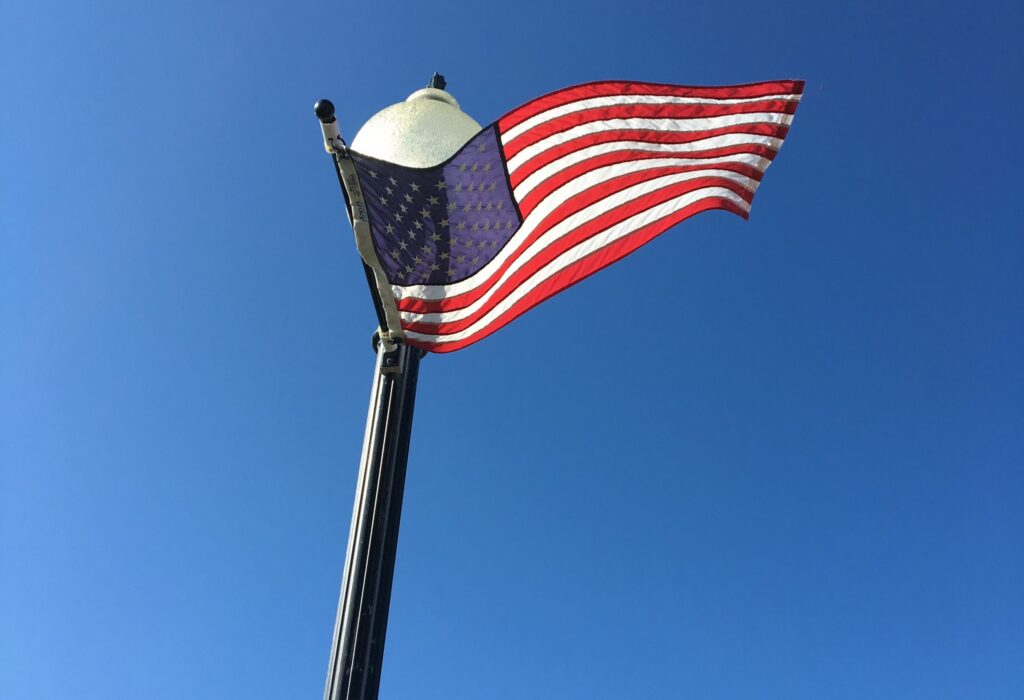
National Military Appreciation Month is a time to recognize service across the United States, honoring troops past and present while reminding Americans why support for the military matters. Senator John McCain and the 106th Congress cemented this observance into law on April 30, 1999, giving the month a clear civic purpose that connects Memorial Day to everyday gratitude and responsibility. This article looks at the history behind the month, why it matters now, and what communities and leaders should do to make the appreciation real for veterans and active-duty families.
Congress didn’t create National Military Appreciation Month as a ceremonial checkbox; it was written to teach and to bind a nation to its veterans. Senator John McCain’s role in the 106th Congress on April 30, 1999, made sure the observance had teeth, not just a calendar slot. That legislative foundation gives Americans a chance to turn abstract thanks into action and respect for service members who shield our freedoms.
The Republican view is straightforward: a strong nation needs a strong military and a culture that backs it up beyond words. Military appreciation is not partisan theater; it’s a recognition that discipline, sacrifice, and service deserve more than slogans. When policy debates come up, remembering the people who serve helps keep priorities in check—funding, readiness, and care for veterans should come before political point-scoring.
Memorial Day is the obvious focal point, but the month invites everyday civic engagement from towns and cities across the country. Local parades, school lessons, and community donations to veteran organizations make the appreciation tangible. Those small acts add up, reminding veterans they are neither forgotten nor merely a political symbol.
Care for veterans must go beyond ceremonies; it requires real systems that work, especially in health care and employment. Republicans should champion reforms that speed access to veterans’ medical care, reduce red tape at the Department of Veterans Affairs, and expand private sector partnerships that help vets transition to civilian jobs. Practical help beats hollow praise every time, and policy wins in this area are both compassionate and fiscally responsible.
Active-duty families also need attention; deployments strain households and communities in ways the public often misses. Support networks at the local level—faith groups, businesses offering flexible work, schools that accommodate military kids—fill gaps government programs can’t always reach. Celebrating the month is an opportunity to strengthen those networks and build lasting community resilience.
Honoring service members also means respecting the institutions that defend America and resisting efforts to politicize the uniform. Military units are built on cohesion and focus, not on ideological battles that play out in news cycles. Keeping the military apolitical preserves its effectiveness, and appreciation month should reinforce that principle by centering on service and sacrifice rather than partisan agendas.
Economic support matters too; veterans deserve pathways to good-paying work and entrepreneurship after service. Encouraging veteran-owned businesses through tax incentives and streamlined contracting processes helps veterans and boosts local economies. This is a commonsense Republican approach: empower people, remove needless bureaucracy, and let veterans lead productive lives in the private sector.
Education plays a crucial role in making the month meaningful for the next generation, so schools should teach the history and responsibilities that come with national service. Lessons that highlight stories of sacrifice and civic duty help young people grasp why the military matters to a free society. When students see real veterans in class or at events, abstract ideas become relatable and respect deepens.
Communities can also use the month to identify unmet needs and create volunteer drives focused on veterans’ housing, mental health support, and family services. Local governments working with non-profits and businesses can create durable programs that outlast the calendar month. Those collaborations are the best proof that appreciation has substance and not just lip service.
On the national stage, leaders should avoid symbolic gestures that replace real investment in readiness and care. The intent behind the 1999 resolution from the 106th Congress and Senator John McCain was to motivate concrete actions, not to produce talking points. Lawmakers who respect service will prioritize budgets and policies that deliver results to those who risk everything for the country.
Ultimately, National Military Appreciation Month is a test of character for a republic that asks citizens to defend liberty and honors those who do. It is a chance to turn gratitude into systems that work: better health care, smoother transitions to civilian life, and robust community support. Use the month to act, to improve institutions, and to make respect for service a living practice rather than an annual ritual.