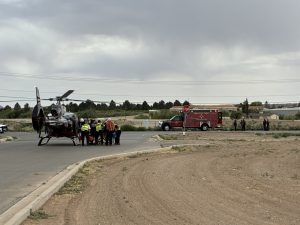
KSAT is flagging that “10 advisories in effect for 10 regions in the area,” and this piece walks through what that means for everyday people, local officials, drivers, businesses, and anyone keeping an eye on safety right now; it names KSAT and keeps the focus on practical, timely steps residents can take whether they live near urban centers or out in the counties covered by those advisories.
When an advisory is issued, it signals elevated risk that is not yet at the urgent level of a warning, but still demands attention and some action, because conditions can worsen suddenly; think of advisories as a clear nudge from meteorologists and emergency managers that normal routines need a tweak until things calm down. Advisories cover a range of hazards — from heat, flooding, and dense fog to wind, small craft issues, or winter mixing — and each type carries its own simple set of do-and-don’ts that keep people safer without forcing dramatic upheaval. Knowing the difference between an advisory and a warning helps you prioritize: advisories mean be prepared, warnings mean take immediate protective steps.
Having ten advisories stretched across ten distinct regions means patchwork conditions, where one county might be dealing with flash flooding while a neighboring jurisdiction faces blustery wind that could down trees and power lines, so local context matters. Officials from city halls, county emergency operations centers, and state transportation departments must coordinate messaging and response so residents can see what affects their block, commute, or school. Pay attention to the specific advisory type for your region rather than treating this as a single, uniform event across a broad map.
Practical preparation beats panic every time: secure loose outdoor furniture and garden gear if wind advisories are in play, move valuables to higher ground when flood advisories exist, and top off water and prescriptions if extended heat or power interruptions are possible. Keep a grab-and-go bag with essentials — medications, chargers, a flashlight, and water — and have a plan for pets and family members who need help. Small steps you take now greatly reduce stress if the situation escalates.
Vulnerable groups deserve special attention during advisory periods; seniors, people with limited mobility, households with young children, and people relying on medical equipment need early checks from neighbors, care providers, or local outreach teams. Programs run by aging services, community health groups, and volunteer networks can connect those at risk with cooling centers, transportation, or emergency shelter options if conditions worsen. If you can, make a two-minute phone call to someone you know who might need help — it could be the single most useful action you take today.
Roads and travel get complicated when advisories are active, because reduced visibility, standing water, or debris can quickly change a safe route into a dangerous one, and drivers often underestimate how conditions shift across just a few miles. Slow down, increase following distance, and avoid shortcuts through low-lying areas that flood easily; if your commute can wait or be done remotely, treat that option as a win. Schools and employers will often post updates, so watch for local announcements about delayed starts or adjusted schedules without assuming closures automatically follow advisories.
Staying informed is easy if you pick trusted channels and set them up now: sign up for local alerts from your city or county emergency management, bookmark the National Weather Service brief for your area, and follow reliable local outlets like KSAT for timely push notifications and maps. Social media is handy for instant news, but verify anything you see by checking official channels because rumors and exaggerated reports spread fast during active weather. A battery-powered NOAA Weather Radio remains one of the most reliable options when power or cell service falters.
Businesses need to treat advisories as operational reminders to protect property and staff: secure inventory, review contingency plans, and give employees clear guidance about remote work, travel restrictions, or shutdown procedures so everyone knows what to do. Utilities and infrastructure operators also use advisory periods to stage crews and pre-position resources for faster restoration after outages, which is why you might see more trucks on the road before a problem snowballs. Customers should keep account numbers handy and follow official utility channels for outage status rather than relying on hearsay.
Take the single most useful action now: check what kind of advisory applies to your neighborhood and set a very small plan in motion — a checked flashlight, a full phone, a neighbor notified — because these modest moves are what keep people safe and reduce emergency stress when conditions shift. Monitor official channels like KSAT and local emergency management for updates and respect recommended actions without overreacting, because timely, calm responses prevent much larger problems down the road.