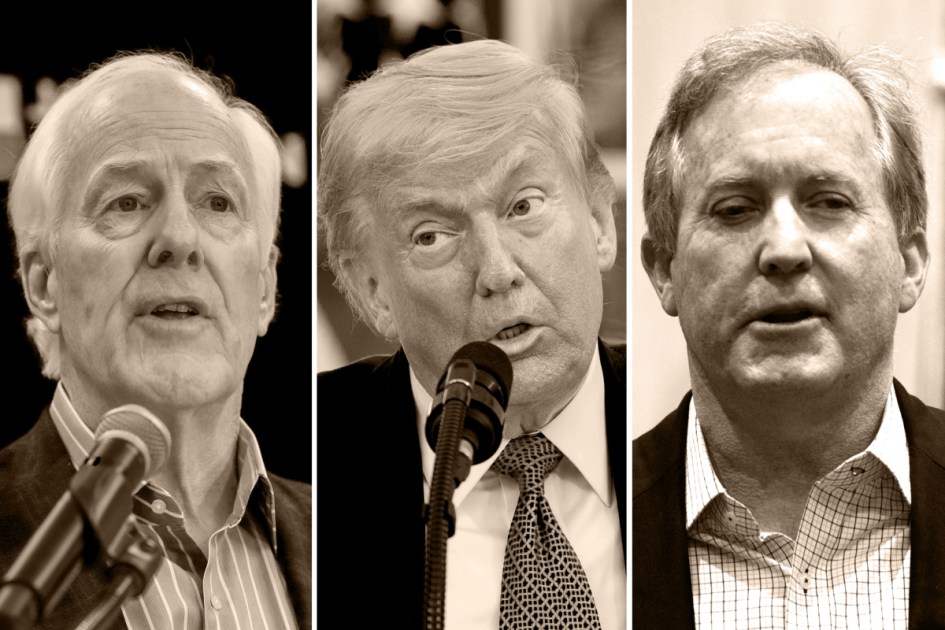
The incumbent senator and his allies have spent aggressively to protect the seat, while backers of Paxton have tried to match that energy with grassroots momentum ahead of the May 26 election. Reporters in Washington and state capitals are watching the ad buys, mail drops, and field operations, and polling still points to a tight finish that keeps both sides on edge. Voters will decide whether money or movement matters this spring.
The most visible fact of this race is the spending gap: the incumbent senator and his allies have massively outspent the pro-Paxton side, flooding airwaves and inboxes in a bid to shape the narrative. Big checks buy reach, and reach matters when undecided voters are being nudged daily. But spending is a blunt instrument that cannot manufacture trust on the doorstep or passion at the ballot box.
Despite the cash advantage, polls show a close contest as Election Day approaches, with a May 26 finish that could hinge on a few thousand voters turning out. Polling firms report tight margins, and those margins are keeping both campaigns dialing numbers and scheduling last-minute events. Close races force sharper choices and higher stakes for volunteers and campaign staff in the final stretch.
From a Republican perspective, this looks like a classic clash between establishment resources and insurgent energy. The senator’s allies are betting that steady messaging and superior ad buys will blunt Paxton’s pull among the base, while pro-Paxton forces argue that enthusiasm and a message of accountability can overcome an expensive status quo defense. That dynamic is familiar: money can amplify a message, but it does not guarantee a movement.
On the ground, the two approaches feel different. Paid media delivers polished spots and targeted mail, whereas Paxton’s backers lean into town halls, precinct work, and direct voter contact. Those boots-on-the-ground moments are where votes are won or lost in tight races, because people still respond to direct conversation more than they do to the thousandth ad they see. The late push will test which strategy converts interest into ballots.
Voter turnout will be the decisive variable on May 26, and conservative voters should remember that every tight race rewards the side that shows up. If the pro-Paxton movement wants to close the gap, mobilizing volunteers, turning out reliable voters, and persuading the fence-sitters in the final days matters more than headlines about ad spend. For the incumbent and allies, the task is to translate dollars into durable trust with skeptical Republicans who value conviction over convenience.
The campaign playbook in the last week is predictable but intense: more events, targeted mail, robo-calls, and a final wave of digital ads aimed at persuadable voters. That blitz may decide who carries the nomination forward, but it also creates opportunities for mistakes when attention is highest. Either side can win or lose in this window; execution and turnout will determine the result rather than the size of the war chest.
In the end, this race will be remembered not for the dollars counted on disclosure reports but for the voters who turn out on May 26 and cast a ballot. Campaigns can spend to be heard, but they cannot spend to be trusted, and trust is the currency that actually moves ballots. Keep watching the field work and the precinct reports; they will tell the real story as votes are tallied.