There is a building on Jones Street in downtown Raleigh that most people walk right past on their way to the Legislative Building or the coffee shop around the corner. That is a genuine shame, because inside the North Carolina State Archives sits one of the most absorbing, quietly thrilling collections of American history you will find anywhere in the Southeast — and it is completely free to visit.
The Archives occupy a dignified mid-century building that shares a campus with the State Library, just a short stroll from the Capitol grounds. The moment you step through the doors into the main research hall, the atmosphere shifts. The lighting is calm, the staff are genuinely helpful, and the faint smell of old paper hangs pleasantly in the air. This is a place that takes history seriously without taking itself too seriously.
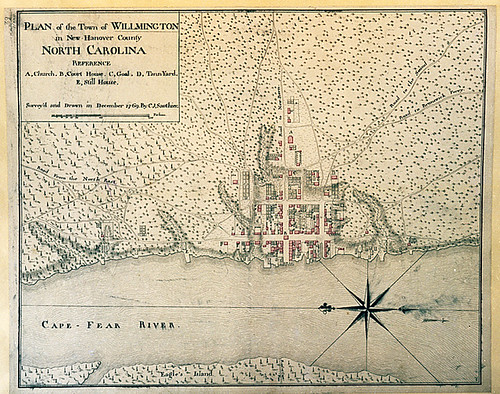
What exactly can you find here? The short answer is: almost everything. The North Carolina State Archives holds over 155,000 cubic feet of historical records spanning more than three centuries of state history. We are talking original colonial land grants, Revolutionary War muster rolls, Civil War correspondence, county court records dating to the 1600s, historical maps, photographs by the thousands, and genealogical records that have sent family researchers into happy tears right there at the reading room tables.
For casual visitors, the Museum of History Annex space and rotating exhibit areas offer more accessible entry points — curated displays that pull remarkable objects and documents out of the vaults and put them in front of you with real context. You might encounter a handwritten letter from a North Carolina soldier writing home from the trenches, or a deed signed when this region was still a British colony. The Archives have a remarkable way of making history feel immediate rather than distant.
Genealogy researchers in particular treat this place like a pilgrimage site. If your family has any roots in North Carolina — and statistically, a surprising number of American families do — the staff archivists here can help you navigate the collections in ways that online databases simply cannot replicate. Bring a notebook, bring patience, and bring a curiosity about where you came from.
The building is open Tuesday through Saturday, and research room access is free, though you will want to check current hours on the official website before you go, as appointment protocols can vary by collection type. Parking is available nearby, and the location is walkable from several downtown restaurants and cafés, making it an easy anchor for a full day in the city.
Raleigh does a lot of things well — food, music, outdoor spaces — but it is the institutions like the State Archives that reveal the city’s true depth of character. Give it an afternoon. You will leave knowing something you did not know before, and that is a rare and genuinely satisfying thing.