Companies in the Gulf, some of the most directly affected by the Iran war, will provide one of the clearest insights so far of its regional financial impact when they begin reporting their second-quarter earnings this week.
Regional Impact
In countries from Saudi Arabia and Oman to the United Arab Emirates and Qatar, company results are likely to be mixed. Banks and real estate are most exposed given pre-existing challenges that have been exacerbated by the war’s impact on inflation and interest rates, while telecoms were sheltered by long-term contracts and relatively inflexible demand, analysts said.
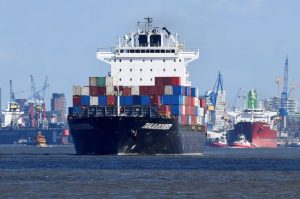
Energy companies faced supply disruption from the four-month conflict, but also potential gains from the price volatility caused by the closure of the Strait of Hormuz shipping channel.
Winners and Losers
The fortunes of regional economies, many built around hydrocarbons, largely depend on how reliant they are on the Strait of Hormuz that provides the only sea access to the Gulf.
The economy of Saudi Arabia, which also has oil terminals on the Red Sea, will grow 2.1% this year, HSBC forecasts show. Similarly, the stock index of Oman, which is outside the strait, has outperformed.
UAE, Qatar, and Kuwait, which rely on the shipping canal, are set to contract.
Original reporting: Appleton, WI News Feed (HLL/CB) — read the source article.