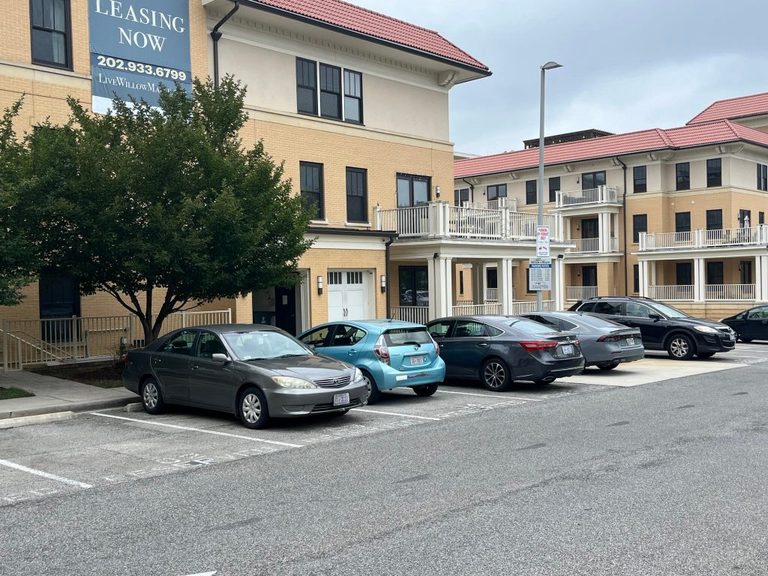
Cities and states are reducing parking minimums to promote more housing. The need to provide parking makes projects more expensive, raising costs for developers that they often pass on to residents. In some cases, the rules prevent projects from ever being built.
Repealing Parking Mandates
Since 2019, at least 14 states have enacted 34 laws reducing or eliminating parking minimums, according to the Parking Reform Network. Since 2017, 116 cities have removed all parking minimums citywide.
Catie Gould, a senior researcher at the Sightline Institute, said the idea of repealing parking mandates used to be confined to urban planners’ policy debates. Now it’s become mainstream, she said, as the need for more affordable housing has risen to the top of the national agenda.
Benefits and Concerns
Eliminating or reducing parking minimums allows developers to use land and money that would have been devoted to parking for better amenities or design features for a project. However, some residents have pushed back against the changes, arguing that eliminating on-site parking lots merely creates more congestion and crowding on public streets.
Opponents also have questioned whether developers will simply pocket the savings, rather than make units more affordable. And they note that older people and those with disabilities will have the hardest time coping with an absence of off-street parking.
State Actions
California, Oregon, and other states have taken sweeping action to reduce or eliminate parking minimums. In April, Virginia Democratic Gov. Abigail Spanberger signed legislation that prohibits localities from imposing parking minimums within a half mile of mass transit stations.
Some local leaders have bristled at state efforts to limit local zoning authority. Betsy Gara, executive director of the Connecticut Council of Small Towns, testified against the legislation in her state, arguing that municipalities are in the best position to determine whether eliminating or modifying minimum parking requirements will pose any public safety or other issues in their community.
Original reporting: The Connecticut Mirror — read the source article.