There are museums that politely ask you to admire things behind glass, and then there is the Cable Car Museum on Nob Hill — a place that puts you shoulder-to-shoulder with the actual, working mechanical heart of one of the world’s last surviving cable car systems. Standing inside this 1887 brick powerhouse, listening to the tremendous steel cables whirring through the floor beneath your feet, you realize you are not watching history. You are inside it.
Located at 1201 Mason Street, right where the Washington-Mason and Powell-Hyde lines converge, the museum is free to enter and open every day. That alone makes it worth a detour, but the real reward is what greets you the moment you walk through the doors. Four massive winding wheels — each one spinning continuously — pull the underground cables that move the city’s famous cars up and over its steep hills. The sound is part mechanical hum, part low thunder, and entirely hypnotic. You can lean over the viewing platforms and watch the cables disappear into channels beneath the street, headed out to haul cars up California Street or swinging around the corner toward Ghirardelli Square. It never gets old.
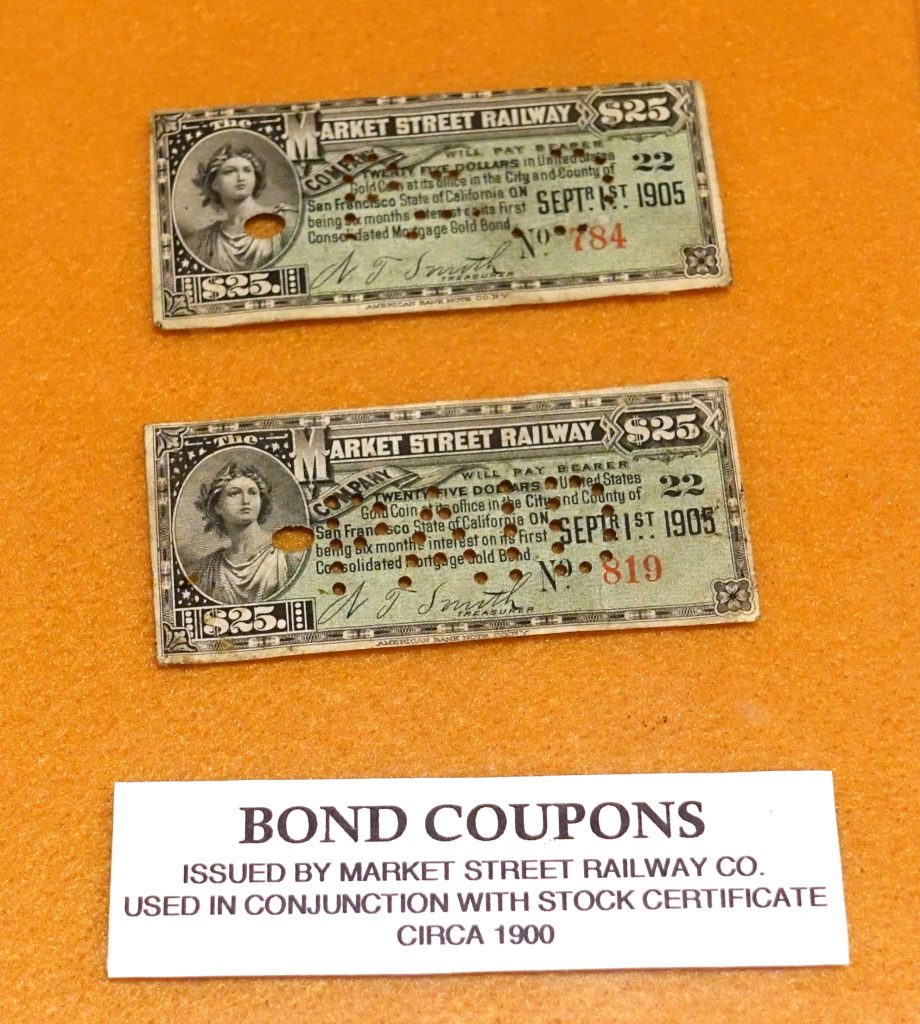
The museum does an exceptional job of explaining how the system actually works, which turns out to be far more clever than most people expect. Andrew Hallidie’s 1873 invention solved a genuine crisis — horses were dying on San Francisco’s brutal grades — and his solution was elegantly simple: grip the cable, release the cable, repeat. Original grip mechanisms, vintage cars, and a collection of photographs and ephemera trace the full arc of that story from the first test run down Clay Street to the system’s near-extinction in the 1940s and its eventual rescue by public outcry and civic pride.
Children are completely captivated here. There is enough noise, movement, and sheer mechanical drama to hold even the most distracted young visitor. Adults tend to linger longer than they planned, reading the detailed placards and sneaking photos of the cables through the grate in the floor. The staff members are genuinely knowledgeable and happy to answer questions — this is not a place staffed by people counting down the minutes to closing time.
After your visit, you are perfectly positioned to hop on a cable car yourself. The Powell-Hyde line, which many locals consider the most scenic of the three routes, begins just a few blocks away and climbs through Russian Hill with sweeping views of Alcatraz and the bay. Having just watched the cables spin from the inside, riding above them feels like a completely different experience — one part transportation, one part ceremony.
San Francisco has no shortage of ways to spend an afternoon, but the Cable Car Museum offers something genuinely rare: a place where a working city and a living history share the same floor. Come for twenty minutes. Stay for an hour. Leave with a much better story to tell.